
As a seasoned steel forming supplier, I've witnessed firsthand the transformative power of die - wear compensation in long - term steel forming production. In the highly competitive world of steel manufacturing, where precision, efficiency, and cost - effectiveness are paramount, understanding and implementing die - wear compensation can make a significant difference in the overall success of a production line.
The Basics of Die - Wear in Steel Forming
Before delving into the role of die - wear compensation, it's essential to understand what die - wear is and why it occurs. In steel forming processes such as stamping, forging, and extrusion, dies are used to shape the steel into the desired forms. These dies are subjected to extreme pressures, high temperatures, and abrasive forces during the forming process. Over time, this leads to wear and tear on the die surfaces.


The wear on dies can manifest in various forms, including abrasion, adhesion, and fatigue. Abrasion occurs when hard particles in the steel rub against the die surface, gradually removing material. Adhesion happens when the steel sticks to the die surface, causing material transfer and deformation. Fatigue wear is the result of repeated cyclic loading on the die, leading to the formation and propagation of cracks.
As the die wears, several problems can arise. The dimensional accuracy of the formed steel parts begins to deteriorate. The parts may not meet the required tolerances, leading to quality issues and potential rejection. Additionally, the surface finish of the parts may be affected, resulting in a less - than - ideal appearance. Moreover, worn dies can cause increased friction during the forming process, which requires more energy to operate the machinery and can lead to premature failure of other components in the production line.
The Role of Die - Wear Compensation
Die - wear compensation is a proactive strategy designed to counteract the negative effects of die - wear in long - term steel forming production. It involves adjusting the manufacturing process parameters or the die design to maintain the quality and accuracy of the formed steel parts as the die wears.
Maintaining Dimensional Accuracy
One of the primary roles of die - wear compensation is to ensure that the formed steel parts maintain their dimensional accuracy throughout the die's lifespan. By analyzing the wear patterns of the die, we can predict how the dimensions of the formed parts will change over time. Based on this analysis, we can make adjustments to the die's position, the forming force, or the stroke length of the forming machine.
For example, if we notice that the die is wearing in a particular area, causing the formed part to be slightly larger than the desired dimension, we can reduce the forming force in that area or adjust the die's position to compensate for the wear. This way, even as the die continues to wear, the formed parts will still meet the required dimensional tolerances.
Improving Surface Finish
Die - wear compensation also plays a crucial role in maintaining the surface finish of the formed steel parts. Worn dies can leave marks, scratches, or uneven surfaces on the parts. By compensating for die - wear, we can minimize these surface defects.
We can use techniques such as polishing the die surface at regular intervals or applying special coatings to reduce friction and wear. Additionally, adjusting the lubrication system during the forming process can help improve the surface finish. A well - lubricated die reduces the adhesion between the steel and the die, preventing material transfer and resulting in a smoother surface finish on the formed parts.
Enhancing Production Efficiency
In long - term steel forming production, efficiency is key. Die - wear compensation can significantly enhance production efficiency by reducing downtime and increasing the overall output of the production line. When the die wears, if we don't implement compensation measures, the parts may need to be re - worked or rejected, leading to additional time and cost.
By compensating for die - wear, we can reduce the frequency of part rejection and re - work. This means that the production line can run continuously for longer periods without interruptions. Moreover, since compensated dies require less energy to operate due to reduced friction, the overall energy consumption of the production line is also reduced. This not only saves costs but also makes the production process more environmentally friendly.
Extending Die Lifespan
Another important role of die - wear compensation is to extend the lifespan of the dies. Instead of replacing the die as soon as it starts to show signs of wear, we can use compensation techniques to keep the die in service for a longer time. This reduces the cost of die replacement, which can be a significant expense in steel forming production.
For instance, by adjusting the forming process parameters to reduce the stress on the die, we can slow down the wear rate. We can also repair the worn areas of the die through techniques such as welding or coating, and then compensate for the changes in the die's geometry. This way, the die can continue to produce high - quality parts for an extended period, maximizing its return on investment.
Real - World Applications and Success Stories
In our experience as a steel forming supplier, die - wear compensation has been a game - changer in many of our projects. For example, we were working on a long - term contract to produce Metal Furniture Parts Furniture Hardwares for a leading furniture manufacturer. The production involved a complex stamping process, and the dies were subject to high levels of wear.
By implementing a die - wear compensation strategy, we were able to maintain the dimensional accuracy of the furniture parts throughout the production run. We monitored the wear of the dies regularly and made adjustments to the stamping force and the die's position as needed. As a result, the rejection rate of the parts was reduced by over 30%, and the overall production efficiency increased by 20%. The furniture manufacturer was extremely satisfied with the quality of the parts and extended our contract for future projects.
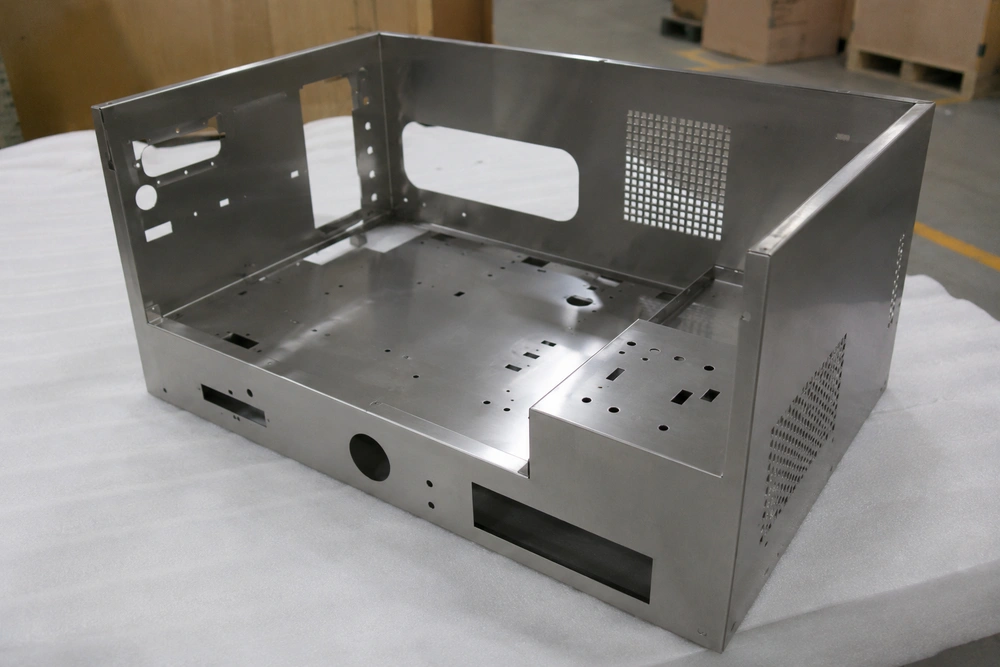
In another project, we were tasked with producing Customized Precision Welding Fabricated Steel High Quality components for a construction company. The forging dies used in this project were prone to fatigue wear due to the high - volume production. Through die - wear compensation, we were able to extend the lifespan of the dies by 50%. We adjusted the forging process parameters to reduce the cyclic loading on the dies and applied special coatings to improve their resistance to wear. This not only saved the cost of frequent die replacements but also ensured that the fabricated steel components met the strict quality standards required for the construction project.
Future Trends in Die - Wear Compensation
As technology continues to advance, the field of die - wear compensation is also evolving. One of the emerging trends is the use of advanced sensors and real - time monitoring systems. These sensors can be installed on the dies and the forming machines to collect data on various parameters such as temperature, pressure, and wear rate. By analyzing this data in real - time, we can make more accurate and timely adjustments to the manufacturing process, further improving the effectiveness of die - wear compensation.
Another trend is the integration of artificial intelligence (AI) and machine learning algorithms into the die - wear compensation process. These algorithms can analyze large amounts of historical data on die - wear and compensation to predict future wear patterns more accurately. They can also optimize the compensation strategies based on the specific requirements of each production run, leading to even greater efficiency and quality improvements.
Contact Us for Procurement and Collaboration
If you're in the market for high - quality steel forming services and are interested in leveraging the benefits of die - wear compensation in your long - term production, we'd love to hear from you. Our team of experts has extensive experience in implementing die - wear compensation strategies to ensure the best possible results for your projects. Whether you need Custom Stainless Steel Products and Steel Fabrication Work or any other steel forming solutions, we are well - equipped to meet your needs. Contact us to start a discussion about your procurement requirements and explore how we can collaborate to achieve your production goals.
References
- Kalpakjian, S., & Schmid, S. R. (2008). Manufacturing Engineering and Technology. Pearson Prentice Hall.
- Dieter, G. E. (1988). Mechanical Metallurgy. McGraw - Hill.
- Groover, M. P. (2010). Fundamentals of Modern Manufacturing: Materials, Processes, and Systems. Wiley.