
Hey there! As a supplier in the metal engineering field, I've seen my fair share of things go wrong in workshops if safety precautions aren't taken seriously. So, I thought I'd share some of the key safety measures we follow to keep everyone safe and sound.
First off, let's talk about personal protective equipment (PPE). This is the front - line defense in any metal engineering workshop. Workers should always wear safety glasses. Metalworking involves a lot of cutting, grinding, and welding, which can send tiny metal fragments flying through the air at high speeds. One wrong move, and these bits could easily cause serious eye injuries. I've seen a few close - calls myself, and trust me, a pair of good safety glasses is a small price to pay for protecting your precious eyes.
Next up is ear protection. The machinery in a metal engineering workshop can be extremely loud. Welding machines, power drills, and presses all generate high - decibel noise that can damage your hearing over time. Earplugs or earmuffs should be worn at all times when working around these noisy tools. It might seem like a hassle at first, but your ears will thank you in the long run.
Gloves are also a must - have. Different types of gloves are used for different tasks. For handling sharp metal edges, cut - resistant gloves are essential. They can prevent cuts and lacerations that can be quite painful and may even lead to infections. When working with hot metals, heat - resistant gloves are your best friend. They protect your hands from burns and other heat - related injuries.


Now, let's move on to the safety of the workspace itself. The workshop should be clean and organized. A cluttered workspace can lead to accidents. Tools and materials should be stored in their proper places. Tripping over a loose piece of metal or a misplaced tool is one of the easiest ways to get hurt in a workshop. Spills should be cleaned up immediately, whether it's oil, coolant, or water. Slippery floors can cause falls, which can result in broken bones or other serious injuries.
Ventilation is another crucial aspect. Welding and some chemical processes in metal engineering release harmful gases and fumes. Inadequate ventilation can lead to workers inhaling these toxins, which can have long - term health effects such as respiratory problems and even cancer. Make sure the workshop has proper ventilation systems in place, like exhaust fans and air purifiers, to keep the air clean and safe to breathe.
When it comes to using machinery, proper training is non - negotiable. Every worker should be trained on how to operate each piece of equipment safely. This includes understanding the controls, safety features, and emergency stop buttons. For example, a CNC machine is a powerful and precise tool, but if not used correctly, it can cause serious harm. You can learn more about Professional CNC Engineering for OEM ODM Sheet Metal Products to understand how these machines are used in a professional and safe manner.
Regular maintenance of machinery is also vital. Faulty equipment is a major safety hazard. Machines should be inspected and serviced regularly to ensure they are in good working condition. Loose parts, worn - out belts, or malfunctioning electrical systems can all lead to accidents.
Fire safety is a big deal in metal engineering workshops. There are many sources of ignition, like welding torches and electrical sparks, and plenty of flammable materials, such as oil and solvents. Fire extinguishers should be readily available throughout the workshop, and workers should know how to use them. A fire prevention plan should be in place, including proper storage of flammable substances away from heat sources and ignition points.
Eye - wash stations and first - aid kits are essential in case of accidents. If a worker gets a foreign object in their eye or suffers a minor cut, they need to be able to get immediate treatment. First - aid kits should be well - stocked and easily accessible, and workers should be trained on basic first - aid procedures.
Now, let's touch on the safety precautions during material handling. Lifting heavy metal objects incorrectly can lead to back injuries. Workers should use proper lifting techniques, such as bending at the knees and keeping the back straight. If an object is too heavy to lift manually, lifting equipment like cranes or forklifts should be used. These machines should also be operated by trained personnel.
When it comes to the design side of metal engineering, safety is still paramount. If you're involved in ONE STOP Solution Sheet Metal Design OEM ODM Based on Sketch or Idea, you need to consider how the final product will be assembled, used, and maintained safely. For example, sharp edges on a metal enclosure should be rounded off to prevent cuts, and there should be proper access points for maintenance.
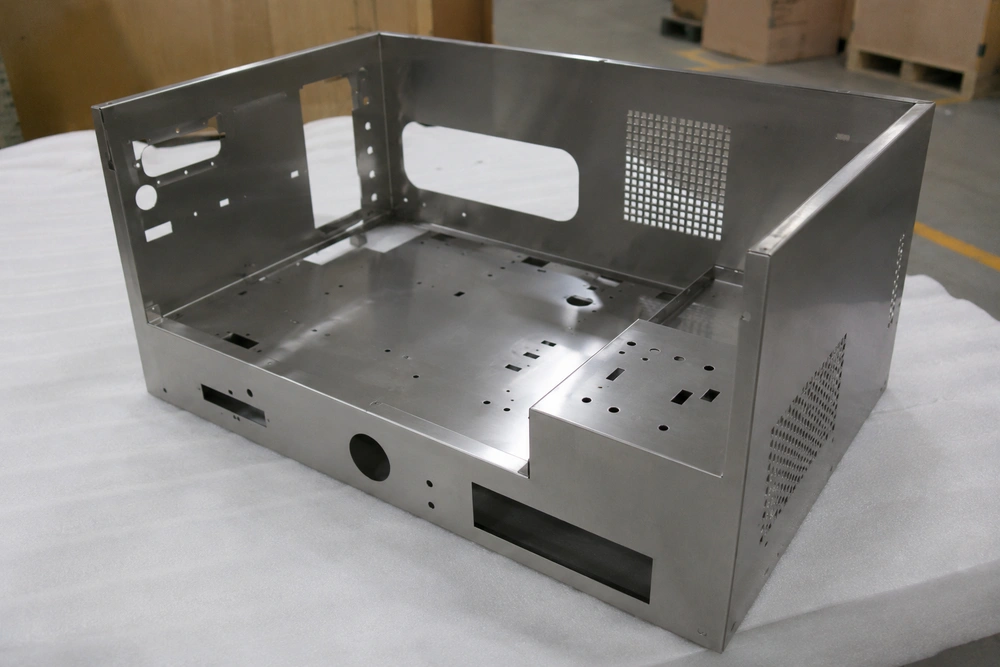
In addition, for those dealing with OEM ODM Sheet Metal Processing Metal Fabrication Design for Cabinet Enclosure, safety in the fabrication process is crucial during every step. This includes ensuring that the metal is cut and formed without creating any safety risks for the workers or the end - users.
In conclusion, safety in a metal engineering workshop is not something to be taken lightly. It involves a combination of personal protective equipment, workspace organization, proper machinery operation, and regular maintenance. By following these safety precautions, we can minimize the risk of accidents and create a safer working environment for everyone.
If you're in the market for metal engineering products and are concerned about safety and quality, we're here to help. We've got a wealth of experience in ensuring that all our processes meet the highest safety standards. Whether you need CNC engineering, sheet metal design, or metal fabrication services, don't hesitate to reach out for a procurement discussion. Let's work together to get you the best metal engineering solutions.
References:
- Workplace safety guides from industry associations.
- Safety manuals provided by machinery manufacturers.