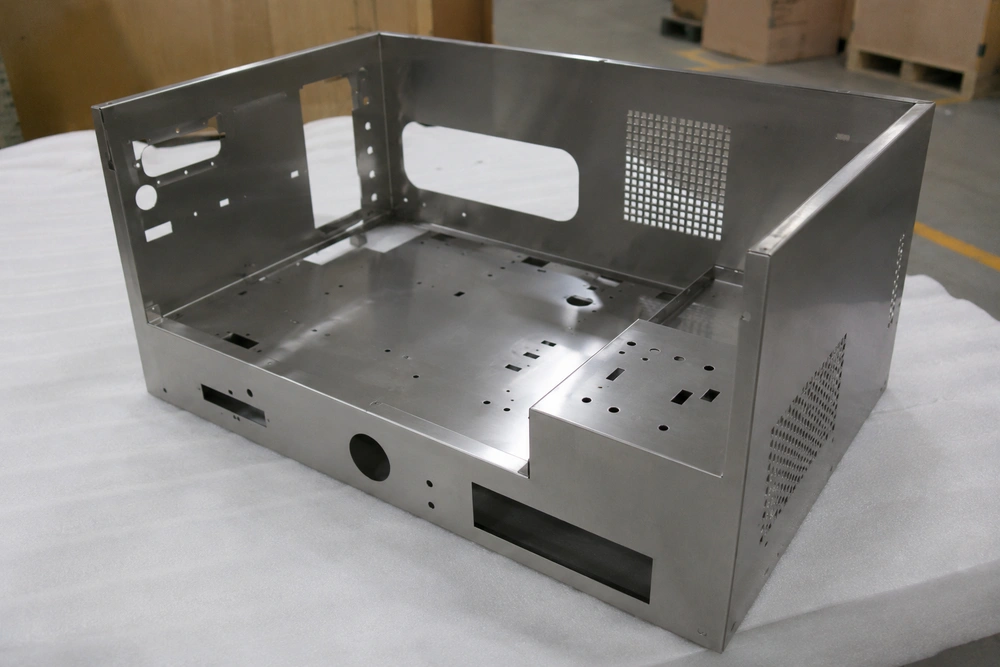

Hey there! As a supplier of CNC parts, I often get asked about the electrical conductivity of these parts. It's a pretty important topic, especially when you're dealing with applications where electrical current needs to flow smoothly. So, let's dive right in and explore what the electrical conductivity of CNC parts is all about.
First off, let's understand what CNC parts are. CNC stands for Computer Numerical Control, which is a manufacturing process where pre-programmed computer software dictates the movement of factory tools and machinery. This process allows for highly precise and accurate production of parts. CNC parts can be made from a variety of materials, including metals like aluminum, steel, and copper, as well as plastics and composites.
Now, electrical conductivity is a measure of how well a material allows an electric current to pass through it. It's typically measured in siemens per meter (S/m). Materials with high electrical conductivity are good conductors of electricity, while those with low conductivity are insulators.
When it comes to CNC parts, the electrical conductivity largely depends on the material they're made from. Let's take a look at some common materials used in CNC machining and their electrical conductivities.
Metals
- Copper: Copper is one of the best conductors of electricity. It has an electrical conductivity of about 5.96×10⁷ S/m at room temperature. This high conductivity makes it a popular choice for electrical wiring, circuit boards, and other applications where efficient electrical transmission is crucial. As a CNC parts supplier, we often use copper to manufacture parts for electrical and electronic devices. For example, we can produce custom copper connectors using our CNC machining services. These connectors need to have excellent electrical conductivity to ensure reliable performance. You can check out our Metal Machining Product CNC Parts OEM & ODM Service Factory for more information on our metal CNC parts.
- Aluminum: Aluminum is another widely used metal in CNC machining. It has an electrical conductivity of around 3.77×10⁷ S/m. While it's not as conductive as copper, it's much lighter and more affordable. Aluminum is commonly used in automotive, aerospace, and electrical applications. We offer Custom Stainless Steel Aluminium CNC Machine Parts for Automotive that are made with high - quality aluminum. These parts need to have good electrical conductivity, especially in automotive electrical systems.
- Steel: Steel is a ferromagnetic metal with relatively low electrical conductivity compared to copper and aluminum. Its conductivity can vary depending on the type of steel, but it's generally in the range of 10⁶ S/m. However, steel is very strong and durable, which makes it suitable for structural and mechanical applications. In some cases, we can use steel CNC parts in electrical enclosures or as support structures where electrical conductivity is not the primary concern.
Plastics and Composites
- Plastics: Most plastics are insulators, meaning they have very low electrical conductivity. For example, polyethylene has an electrical conductivity on the order of 10⁻¹⁵ S/m. However, there are some conductive plastics available that have been engineered to have improved electrical properties. These conductive plastics can be used in applications where a combination of electrical conductivity and lightweight, corrosion - resistant properties is required.
- Composites: Composites are materials made from two or more different materials. Some composites can have tailored electrical conductivity depending on the filler materials used. For instance, carbon fiber composites can have some degree of electrical conductivity due to the conductive nature of carbon fibers.
The electrical conductivity of CNC parts can also be affected by factors such as surface finish, heat treatment, and the presence of impurities. A smooth surface finish can reduce electrical resistance and improve conductivity. Heat treatment can change the microstructure of the material, which may either increase or decrease its conductivity. Impurities in the material can act as scattering centers for electrons, reducing the overall conductivity.
When designing and manufacturing CNC parts for electrical applications, it's important to consider the required electrical conductivity. We work closely with our customers to understand their specific needs and select the appropriate materials and manufacturing processes. For example, if a customer needs a high - precision part with excellent electrical conductivity for an automotive application, we might recommend Custom High precision Aluminum Alloy CNC Machining Aluminium Machining. Our team of experts can ensure that the part meets the required electrical specifications through careful material selection, precision machining, and quality control.
In addition to material selection, the design of the CNC part can also impact its electrical performance. For example, the shape and size of the part can affect the distribution of electrical current. A well - designed part will minimize electrical resistance and ensure uniform current flow.
If you're in the market for CNC parts with specific electrical conductivity requirements, we're here to help. Whether you need a small batch of custom parts or large - scale production, we have the expertise and capabilities to meet your needs. Our state - of - the - art CNC machining equipment allows us to produce parts with high precision and quality.


So, if you're interested in discussing your CNC parts requirements, feel free to reach out to us. We can have a detailed conversation about your project, recommend the best materials and manufacturing processes, and provide you with a competitive quote. Let's work together to create the perfect CNC parts for your application.
References
- "Fundamentals of Materials Science and Engineering" by William D. Callister, Jr. and David G. Rethwisch
- "Introduction to Electrical Engineering" by Marcus Tomizuka and David A. Holmes