
Hey there! As a supplier of cutting lasers, I often get asked about how long these nifty machines can last. It's a super important question, especially if you're thinking about investing in one. So, let's dive right into what affects the lifespan of a cutting laser and what you can do to make it last as long as possible.
What is a Cutting Laser?
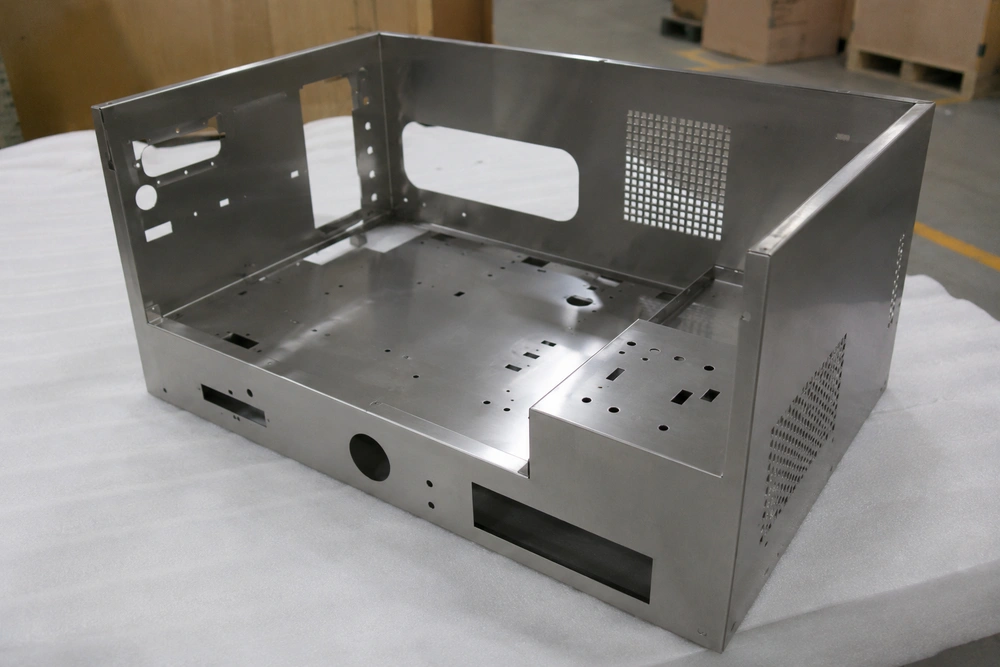
First off, let's quickly cover what a cutting laser is. A cutting laser is a high - tech tool that uses a focused beam of light to cut through various materials. It's like a super precise, super hot knife that can cut through metal, wood, plastic, and more. We offer a range of cutting lasers, including Custom High Precision Stainless Steel or Carbon Steel Cutting Laser, which are perfect for those who need to work with these specific materials.
Factors Affecting the Lifespan of a Cutting Laser
1. Type of Laser
There are different types of cutting lasers, such as CO₂ lasers, fiber lasers, and Nd:YAG lasers. Each type has a different lifespan. For example, fiber lasers are known for their long lifespan, often lasting up to 100,000 hours of operation. On the other hand, CO₂ lasers usually have a shorter lifespan, around 20,000 to 30,000 hours. This is because the technology behind them is different. Fiber lasers are more efficient and have fewer moving parts, which means less wear and tear.
2. Usage Frequency
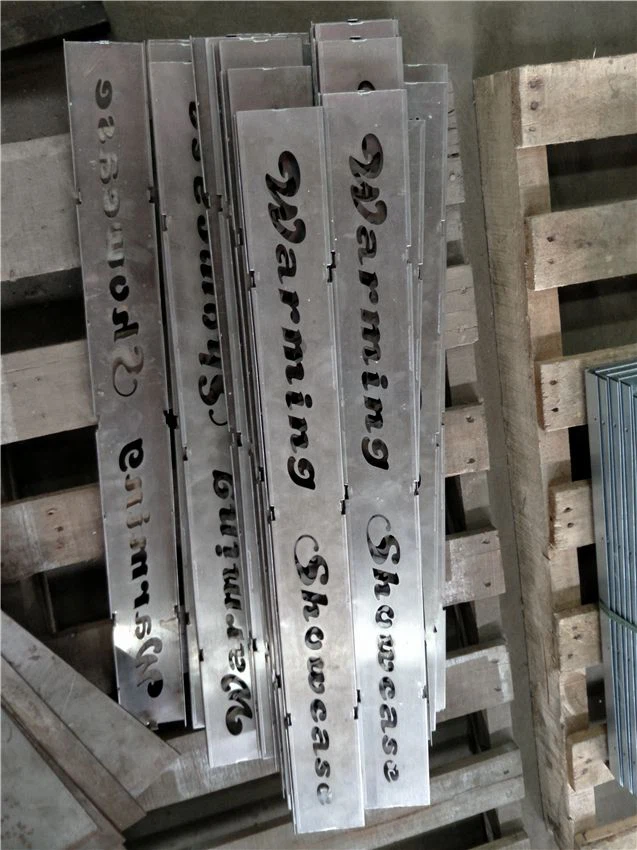
Just like any other machine, the more you use a cutting laser, the faster it will wear out. If you're running your laser 24/7, it's not going to last as long as one that's used only a few hours a week. For instance, a business that uses a cutting laser for mass production of Custom Logo Laser Cut Metal Good Quality is likely to replace the laser sooner than a small hobbyist who uses it occasionally.

3. Maintenance
Proper maintenance is crucial for extending the lifespan of a cutting laser. This includes regular cleaning of the optical components, checking and replacing the coolant, and calibrating the laser beam. If you neglect maintenance, the laser's performance will degrade over time, and it may even break down sooner. For example, if the optical lenses get dirty, the laser beam won't be as focused, which can lead to reduced cutting quality and increased stress on the laser components.
4. Quality of Components
The quality of the components used in the cutting laser also plays a big role. High - quality components are more durable and less likely to fail. When you buy a cutting laser from a reputable supplier, you're more likely to get a machine with good - quality parts. For example, our High Precision 5mm Carbon Steel Cut Custom Laser Cut Steel systems are built with top - notch components to ensure long - term performance.
Typical Lifespan of Different Parts of a Cutting Laser
Laser Source
The laser source is the heart of the cutting laser. As I mentioned earlier, fiber laser sources can last up to 100,000 hours, while CO₂ laser sources typically last 20,000 to 30,000 hours. Nd:YAG laser sources usually have a lifespan of around 10,000 hours. When the laser source starts to wear out, you may notice a decrease in the laser's power and cutting efficiency.
Optical Components
Optical components like lenses and mirrors are also important. They can be affected by dirt, dust, and heat. With proper cleaning and maintenance, these components can last anywhere from 5,000 to 10,000 hours. However, if they're exposed to harsh conditions or not maintained properly, their lifespan can be significantly reduced.
Cooling System
The cooling system is essential for keeping the laser at the right temperature. A well - maintained cooling system can last for many years. But if the coolant isn't changed regularly or if there are leaks in the system, it can lead to overheating and damage to the laser components.
Extending the Lifespan of Your Cutting Laser
Follow the Manufacturer's Guidelines
The manufacturer of the cutting laser provides a set of guidelines for operation and maintenance. Make sure you follow these instructions carefully. They'll tell you how often to clean the machine, what type of coolant to use, and how to perform basic troubleshooting.
Train Your Operators
If you have multiple operators using the cutting laser, make sure they're properly trained. An untrained operator may make mistakes that can damage the machine. Training can include things like how to load materials correctly, how to set the right cutting parameters, and how to detect early signs of problems.
Regular Inspections
Schedule regular inspections of the cutting laser. This can help you catch any potential issues before they turn into major problems. For example, you can check for loose connections, leaks in the coolant system, and signs of wear on the optical components.
When to Replace Your Cutting Laser
Even with the best maintenance, there will come a time when you need to replace your cutting laser. Here are some signs that it's time for a new one:
- Decreased Cutting Quality: If you notice that the laser is no longer cutting as cleanly or precisely as it used to, it could be a sign that the laser is nearing the end of its lifespan.
- Frequent Breakdowns: If the machine is breaking down more often than usual, and the cost of repairs is starting to add up, it might be more cost - effective to get a new laser.
- Outdated Technology: As technology advances, older cutting lasers may become less efficient. If your laser can't keep up with the latest industry standards or your business needs, it may be time for an upgrade.
Conclusion
So, in conclusion, the lifespan of a cutting laser depends on several factors, including the type of laser, usage frequency, maintenance, and the quality of components. By taking good care of your cutting laser and following the tips I've shared, you can extend its lifespan and get the most out of your investment.
If you're in the market for a new cutting laser or have questions about the lifespan and maintenance of your current one, feel free to reach out. We're here to help you make the right decision for your business. Whether you need a Custom High Precision Stainless Steel or Carbon Steel Cutting Laser, Custom Logo Laser Cut Metal Good Quality, or High Precision 5mm Carbon Steel Cut Custom Laser Cut Steel, we've got you covered. Let's have a chat and see how we can meet your cutting needs!
References
- Laser Cutting Technology Handbook
- Industrial Laser Systems: Operation and Maintenance Guide