


Bicycle frames are the heart and soul of any bike, providing the necessary structure and support for a smooth and efficient ride. One of the most critical aspects of bicycle frame construction is pipe bending. As a Pipe Bending supplier, I've had the privilege of working with cyclists, manufacturers, and enthusiasts to create customized bicycle frames that meet their unique needs and specifications. In this blog, I'll share some insights on how to bend pipes for a bicycle frame, ensuring that you can achieve the perfect curve for your next two-wheeled adventure.
Understanding the Basics of Pipe Bending
Before you start bending pipes for your bicycle frame, it's essential to understand the basic principles of pipe bending. There are two primary methods of pipe bending: cold bending and hot bending. Cold bending is the most common method used for bicycle frames, as it involves bending the pipe at room temperature using a pipe bender. This method is suitable for most types of pipes, including steel, aluminum, and titanium. Hot bending, on the other hand, involves heating the pipe to a high temperature before bending it. This method is typically used for more complex bends or for pipes that are difficult to bend cold.
Choosing the Right Pipe
The first step in bending pipes for a bicycle frame is to choose the right pipe. The type of pipe you choose will depend on several factors, including the frame's intended use, your budget, and personal preferences. Some of the most common types of pipes used for bicycle frames include steel, aluminum, and titanium.
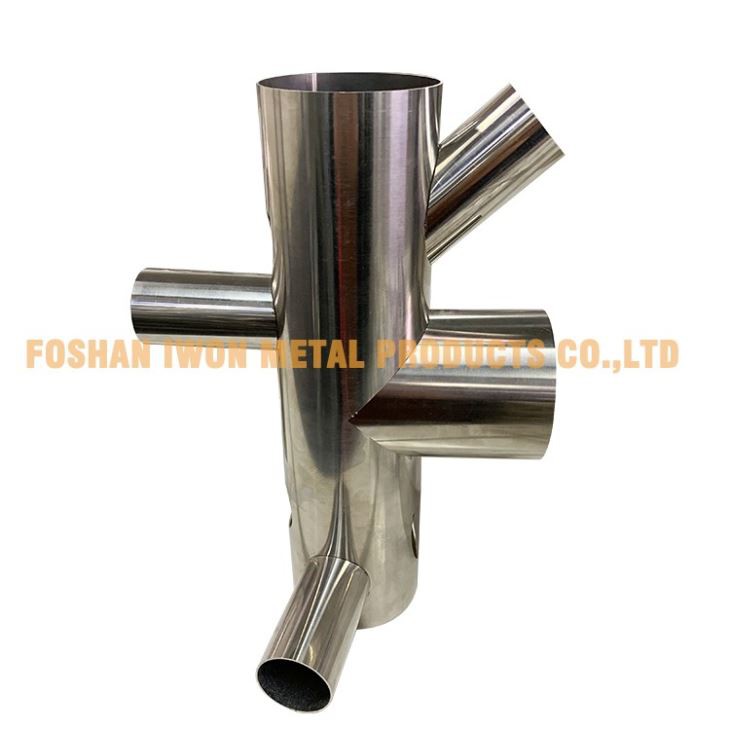

- Steel: Steel is a popular choice for bicycle frames due to its strength, durability, and affordability. It is available in a variety of grades, each with its own unique properties. High-strength steel, such as chromoly steel, is commonly used for high-performance frames, while lower-grade steel is suitable for more budget-friendly options.
- Aluminum: Aluminum is a lightweight and corrosion-resistant material that is commonly used for bicycle frames. It is easy to work with and can be bent into complex shapes. However, aluminum frames may not be as strong as steel frames, and they may require additional reinforcement.
- Titanium: Titanium is a high-performance material that is known for its strength, light weight, and corrosion resistance. It is more expensive than steel and aluminum, but it offers superior performance and durability. Titanium frames are often used in high-end racing bikes and other performance-oriented applications.
Selecting the Right Pipe Bender
Once you have chosen the right pipe, the next step is to select the right pipe bender. There are several types of pipe benders available on the market, each with its own unique features and capabilities. Some of the most common types of pipe benders include:
- Manual Pipe Benders: Manual pipe benders are the most basic type of pipe bender. They are operated by hand and are suitable for small-scale bending projects. Manual pipe benders are relatively inexpensive and easy to use, but they require a significant amount of physical effort.
- Hydraulic Pipe Benders: Hydraulic pipe benders use hydraulic pressure to bend the pipe. They are more powerful than manual pipe benders and can bend larger and thicker pipes. Hydraulic pipe benders are often used in industrial settings and for large-scale bending projects.
- Electric Pipe Benders: Electric pipe benders use an electric motor to power the bending process. They are more convenient and easier to use than manual pipe benders, and they offer greater precision and control. Electric pipe benders are suitable for a wide range of bending projects, from small-scale hobbyist projects to large-scale industrial applications.
Preparing the Pipe for Bending
Before you start bending the pipe, it's important to prepare it properly. This involves cleaning the pipe to remove any dirt, debris, or rust that may affect the bending process. You should also mark the pipe where you want to make the bend using a marker or a scribe. This will help you ensure that you make the bend in the right place and at the right angle.
Bending the Pipe
Once you have prepared the pipe and selected the right pipe bender, it's time to start bending the pipe. The bending process will depend on the type of pipe bender you are using and the type of bend you want to make. Here are some general tips to keep in mind when bending pipes for a bicycle frame:
- Start Slow: It's important to start slow and gradually increase the pressure as you bend the pipe. This will help you avoid cracking or breaking the pipe.
- Use a Mandrel: A mandrel is a tool that is inserted into the pipe to prevent it from collapsing during the bending process. Using a mandrel can help you achieve a smoother and more consistent bend.
- Make Multiple Bends: If you need to make multiple bends in the pipe, it's important to make them in the right order. Start with the largest bends and work your way down to the smallest bends. This will help you ensure that the pipe fits together properly.
Finishing the Pipe
After you have bent the pipe, it's important to finish it properly. This involves removing any sharp edges or burrs that may have been created during the bending process. You can use a file or a sandpaper to smooth the edges of the pipe. You may also want to apply a protective coating to the pipe to prevent it from rusting or corroding.
Quality Control
Once you have finished bending and finishing the pipe, it's important to perform a quality control check to ensure that the pipe meets your specifications. This involves measuring the angle and radius of the bend to ensure that it is within the acceptable tolerance range. You should also inspect the pipe for any cracks, breaks, or other defects.
Customization and Innovation
As a Pipe Bending supplier, we understand that every cyclist has unique needs and preferences. That's why we offer custom bending services to help you create a bicycle frame that is tailored to your specific requirements. Whether you need a custom bend for a specific frame design or a unique shape for a one-of-a-kind bike, we have the expertise and equipment to get the job done.
In addition to custom bending, we also stay up-to-date with the latest trends and technologies in pipe bending. We are constantly exploring new materials, techniques, and processes to improve the quality and performance of our products. For example, we are currently working on developing new bending methods that can reduce the stress and strain on the pipe, resulting in a stronger and more durable frame.
Industry Applications and Collaborations
Our pipe bending services are not limited to bicycle frames. We also work with a variety of industries, including automotive, aerospace, and construction, to provide customized pipe bending solutions. Our expertise in pipe bending allows us to create complex shapes and bends that are required for these industries.
We also collaborate with other manufacturers and suppliers to provide our customers with a complete solution. For example, we may work with a welding company to provide Custom Cut Bending Pipe Welding Processing in Precision. This allows us to offer our customers a one-stop-shop for all their pipe fabrication needs.
Conclusion
Bending pipes for a bicycle frame is a complex process that requires skill, precision, and the right equipment. By understanding the basics of pipe bending, choosing the right pipe and pipe bender, preparing the pipe properly, and following the right bending techniques, you can achieve the perfect curve for your bicycle frame.
If you're interested in learning more about our pipe bending services or if you have any questions about bending pipes for a bicycle frame, please don't hesitate to contact us. We'd be happy to discuss your needs and provide you with a customized solution. Whether you're a professional cyclist, a manufacturer, or an enthusiast, we have the expertise and experience to help you create the perfect bicycle frame.
References
- Smith, J. (2018). Handbook of Pipe Bending for Bicycle Frames. Bicycle Publishing.
- Johnson, A. (2019). The Art of Pipe Bending: Techniques and Best Practices. Metalworking Press.
- Brown, C. (2020). Advanced Pipe Bending for High-Performance Bicycles. Cycling Technology Journal.


