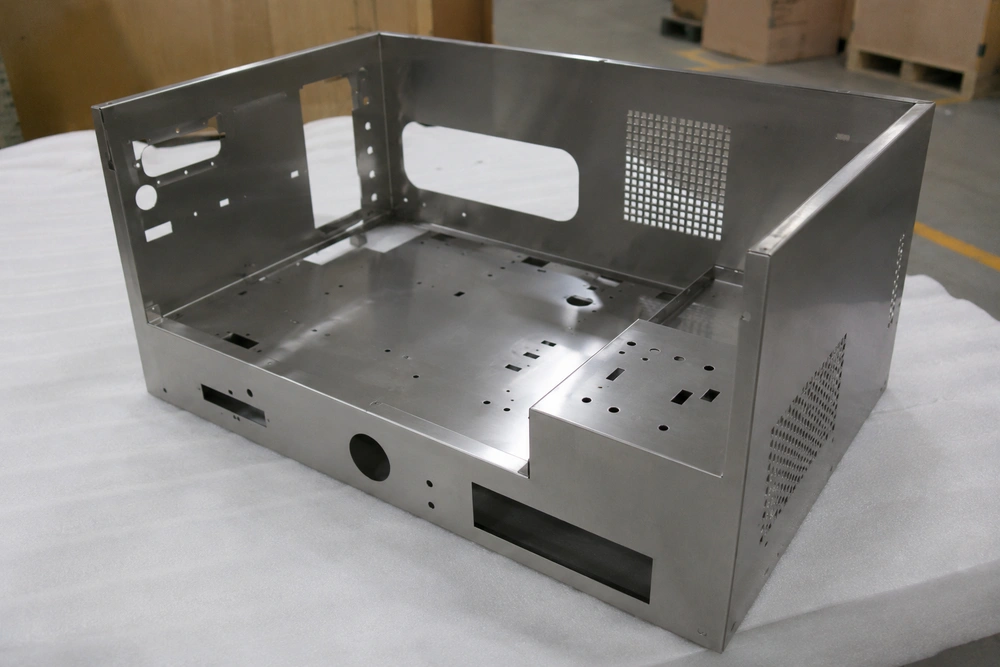

As a long - time player in the metal stamping industry, I've seen firsthand the roller - coaster ride of challenges that come with the territory. Metal stamping is a crucial manufacturing process that shapes metal sheets into various parts and components used in countless industries, from automotive to electronics. But like any business, it's not all smooth sailing. So, let's dig into the challenges that the metal stamping industry, including my own supply business, has to face.
Raw Material Costs and Availability
One of the most significant headaches in the metal stamping world is the cost and availability of raw materials. Metals like steel, aluminum, and copper are the lifeblood of our industry, but their prices can be as volatile as the stock market. Factors such as global economic conditions, trade policies, and natural disasters can send raw material prices soaring.
For instance, when there are trade disputes between major economies, tariffs can be slapped on imported metals, driving up costs for domestic metal stamping suppliers like me. And let's not forget about supply chain disruptions. A few years back, a major mining strike in a key copper - producing region led to a shortage of copper sheets. This not only increased the price but also made it hard to get our hands on the material we needed to fulfill our orders.
When raw material costs go up, it's a domino effect. We either have to absorb the costs, which eats into our profit margins, or pass them on to our customers. And passing on the costs isn't always easy, as it can make our products less competitive in the market.
Technological Advancements and Automation
The manufacturing world is constantly evolving, and the metal stamping industry is no exception. Technological advancements and automation are both a blessing and a curse. On one hand, new technologies like high - speed stamping presses and computer - numerical - control (CNC) machines have made the stamping process faster, more accurate, and more efficient. These machines can produce complex parts with high precision, reducing waste and increasing productivity.
However, keeping up with these technological advancements requires a significant investment. Upgrading to the latest stamping equipment can cost a small fortune, and that's not just the purchase price. There are also training costs for our employees to learn how to operate these new machines. And if we don't invest in the latest technology, we risk falling behind our competitors who are more tech - savvy.
Automation is another double - edged sword. While automated stamping lines can increase production speed and reduce labor costs, they also mean that we need fewer workers. This can lead to job losses, which is not only tough on our employees but can also create a negative public perception of our industry. Plus, fully automated systems can be vulnerable to technical glitches and breakdowns. If there's a problem with the automation software, it can bring our entire production line to a halt.
Environmental Regulations
In today's world, environmental concerns are at the forefront of many industries, and metal stamping is no different. There are a whole bunch of environmental regulations that we have to comply with, and they can be a real pain.
For example, the stamping process often involves the use of lubricants and coolants, which can be hazardous to the environment if not disposed of properly. We have to make sure that we're using environmentally friendly lubricants and that we have a proper waste management system in place to dispose of the used ones.
Another area of concern is energy consumption. Stamping presses and other equipment use a lot of electricity, and there's increasing pressure to reduce our carbon footprint. We're constantly looking for ways to make our production processes more energy - efficient, such as using energy - saving motors and optimizing our production schedules to reduce idle time.
Complying with these environmental regulations requires additional investment in equipment and processes. And if we fail to comply, we can face hefty fines and damage to our reputation.
Quality Control and Customer Expectations
In the metal stamping industry, quality is king. Our customers expect parts that meet their exact specifications, and any deviation can lead to product failures and costly recalls.
Quality control is a continuous process that starts from the moment we receive the raw materials and goes all the way through to the finished product. We have to inspect the raw materials for defects, monitor the stamping process to ensure that the parts are being formed correctly, and conduct final inspections before shipping the products to our customers.
But quality control isn't always easy. With the increasing complexity of the parts we're producing, it's getting harder to detect and prevent defects. And as our customers' expectations continue to rise, we have to constantly improve our quality control processes.
For example, in the automotive industry, the tolerance levels for metal stamping parts are extremely tight. A small deviation in the dimensions of a part can lead to problems with the assembly of the vehicle. So, we have to invest in advanced inspection equipment, such as coordinate measuring machines (CMMs), to ensure that our parts meet the required specifications.
Competition in the Global Market
The metal stamping industry is highly competitive, especially in the global market. There are suppliers from all over the world, each trying to win a share of the market.
Some countries have lower labor costs, which allows their metal stamping suppliers to offer products at a lower price. This can make it difficult for us to compete on price, especially when our customers are price - sensitive.
In addition to price competition, there's also competition in terms of quality and innovation. Customers are always looking for suppliers who can offer high - quality parts with unique features. To stay ahead of the competition, we have to constantly innovate and improve our products.


For example, we've been focusing on developing new types of metal stamping parts, such as Matt Black Anodized Aluminum Press Accessories Metal Stamping Parts Custom. These parts not only have a unique appearance but also offer better performance and durability. We're also offering Zinc Plated Steel Metal Stamping Press Custom Made products that are tailored to our customers' specific needs. And our Powder Coating Deep Drawing Forming Stamping Products are popular for their high - quality finish and corrosion resistance.
Despite all these challenges, the metal stamping industry still has a lot of potential. We're constantly finding ways to overcome these obstacles and provide our customers with the best possible products. If you're in the market for metal stamping parts, we'd love to talk to you. Whether you need a small batch of custom - made parts or a large - scale production run, we have the expertise and the resources to meet your needs. Reach out to us for a quote and let's start a conversation about how we can work together to solve your metal stamping requirements.
References
- "The Handbook of Metal Forming" by George E. Dieter
- "Manufacturing Engineering and Technology" by S. Kalpakjian and S. Rajagopal
- Industry reports from Metal Stamping Manufacturers Association