
Hey there! I'm a supplier of metal parts, and I know firsthand how crucial it is to prevent corrosion. Corrosion can mess up the performance and lifespan of metal parts big time. In this blog, I'll share some practical ways to keep those metal parts corrosion - free.
Understanding Corrosion
First off, let's talk about what corrosion is. Corrosion is basically a chemical reaction that happens when metals react with substances in their environment, like oxygen, water, or certain chemicals. When this reaction occurs, the metal starts to break down, which can lead to rust, pitting, and other forms of damage.
There are different types of corrosion, too. For example, uniform corrosion is when the metal surface corrodes evenly. Pitting corrosion, on the other hand, creates small holes in the metal. And then there's galvanic corrosion, which happens when two different metals are in contact in the presence of an electrolyte.
Choosing the Right Metals
One of the first steps in preventing corrosion is to choose the right metals in the first place. Some metals are naturally more resistant to corrosion than others. Stainless steel is a great example. It contains chromium, which forms a thin, protective layer on the surface of the metal when it reacts with oxygen. This layer, called a passive film, helps prevent further corrosion.
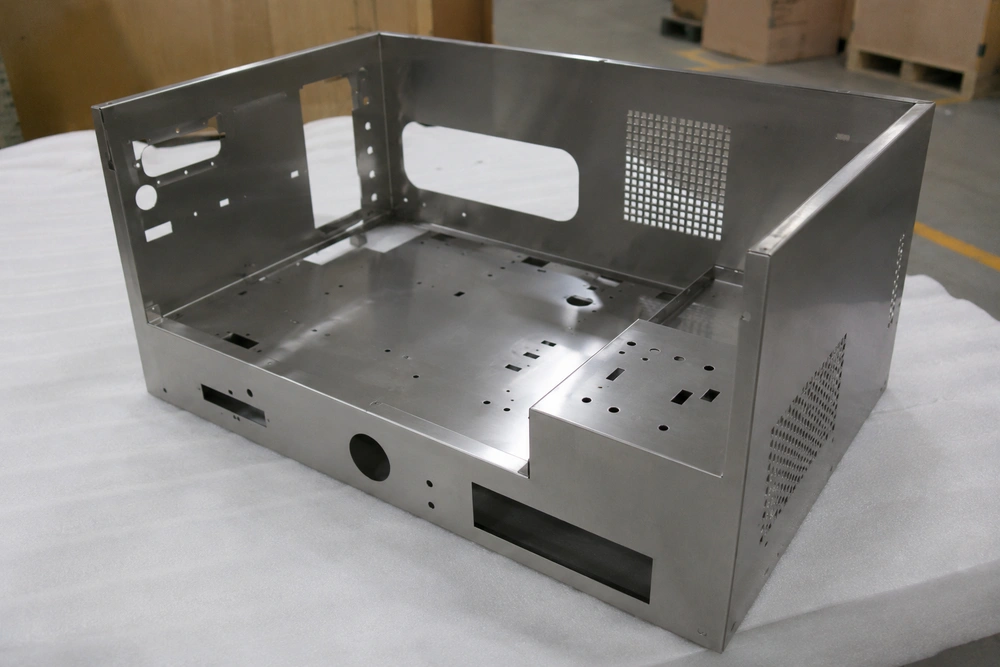
Aluminum is another metal that has good corrosion - resistance. It forms a thin oxide layer on its surface that acts as a barrier against further oxidation. If you're looking for custom metal parts, we offer Custom Power Chassis Bottom Plate Sheet Metal, which can be made from corrosion - resistant metals.
Surface Treatments
Surface treatments are an effective way to enhance the corrosion resistance of metal parts. One common treatment is painting. A good coat of paint can create a physical barrier between the metal and the environment. Make sure to choose a paint that's suitable for the metal and the conditions it will be exposed to.
Another popular surface treatment is galvanizing. This involves coating the metal with a layer of zinc. Zinc is more reactive than many other metals, so it corrodes first, protecting the underlying metal. Hot - dip galvanizing is a common method where the metal is dipped into a bath of molten zinc.
Anodizing is a process often used for aluminum parts. It thickens the natural oxide layer on the aluminum surface, making it more resistant to corrosion and wear. We also provide CNC Forming Sheet Metal Cutting Bending Part that can be surface - treated to improve corrosion resistance.


Controlling the Environment
The environment where the metal parts are used plays a huge role in corrosion. If possible, try to control the temperature and humidity. High humidity can speed up the corrosion process, so keeping the area dry can help. You can use dehumidifiers in enclosed spaces to reduce moisture levels.
Avoid exposing metal parts to harsh chemicals. If the parts need to be in an environment with chemicals, make sure they're properly protected. For example, if they're in a factory where there are corrosive gases, use ventilation systems to remove the gases from the air.
Proper Storage
How you store your metal parts is also important. When storing metal parts, keep them in a clean, dry place. Avoid stacking them directly on the ground, as the ground can be damp and may contain chemicals that can cause corrosion. Use pallets or racks to keep the parts off the ground.
If you're storing parts for a long time, consider using protective covers. Plastic sheeting or special storage bags can help keep out moisture and dust. We have a wide range of Fabrication Welding Stamping Sheet Metal Part that need proper storage to prevent corrosion.
Regular Inspection and Maintenance
Regular inspection is key to catching corrosion early. Check your metal parts regularly for signs of rust, pitting, or other forms of damage. If you notice any early signs of corrosion, take action right away. You can clean the corroded area and apply a protective coating if necessary.
Maintenance also includes keeping the metal parts clean. Dirt and debris can trap moisture and chemicals, which can accelerate corrosion. Use a mild detergent and water to clean the parts, and dry them thoroughly afterward.
Lubrication
Lubrication can also help prevent corrosion. A thin layer of lubricant can create a barrier between the metal and the environment. It can also reduce friction, which is important for parts that move against each other. There are different types of lubricants available, so choose one that's appropriate for the metal and the application.
Conclusion
Preventing corrosion of metal parts is a multi - step process. By choosing the right metals, applying surface treatments, controlling the environment, storing the parts properly, and performing regular inspection and maintenance, you can significantly extend the lifespan of your metal parts.
As a metal parts supplier, we're committed to providing high - quality, corrosion - resistant metal parts. Whether you need custom - made parts or standard ones, we've got you covered. If you're interested in purchasing our metal parts or have any questions about corrosion prevention, don't hesitate to reach out for a procurement discussion.
References
- Jones, D. A. (1992). Principles and Prevention of Corrosion. Macmillan Publishing Company.
- Uhlig, H. H., & Revie, R. W. (1985). Corrosion and Corrosion Control. John Wiley & Sons.