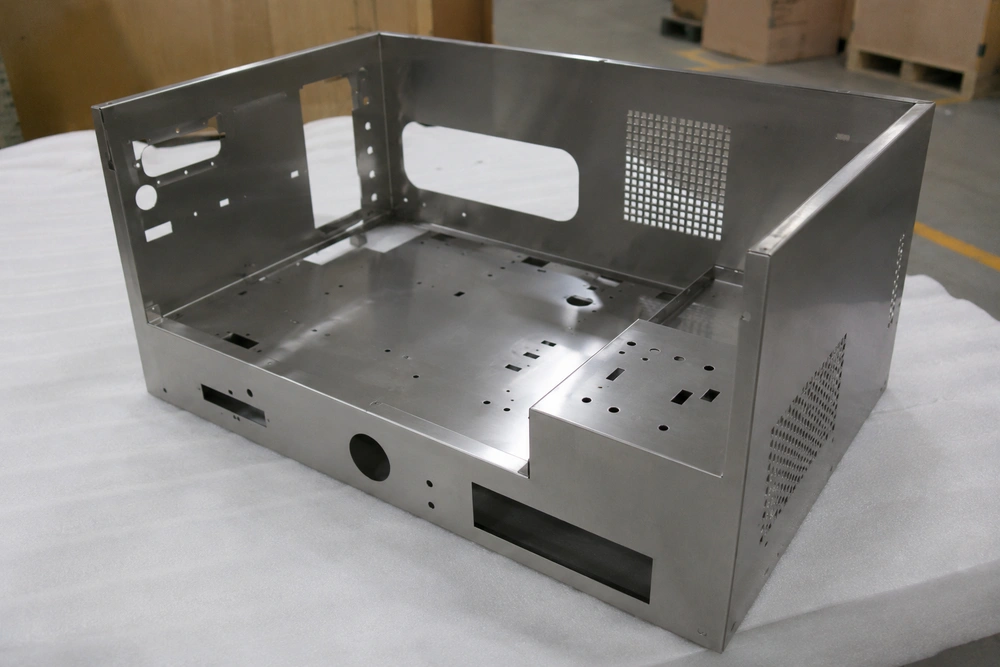

Hey there! I'm part of a metal fabrication supplier, and today I'm gonna chat about what I think is the best metal for structural fabrication. It's a topic that comes up a lot in our line of work, and there's no one - size - fits - all answer. So, let's dive in and explore the different metals and their pros and cons.
Steel
First off, steel is like the heavy - hitter in the world of structural fabrication. It's been around for ages and is used in all sorts of projects, from skyscrapers to bridges. One of the biggest advantages of steel is its strength. It can handle a ton of weight without bending or breaking easily. This makes it ideal for large - scale structures that need to support heavy loads.
Steel is also very versatile. You can shape it into different forms, whether it's beams, columns, or complex frames. And when it comes to welding, steel is a dream. It welds easily, allowing fabricators to create strong joints.
Another plus is its durability. Steel can withstand harsh weather conditions, including extreme cold and heat. It doesn't rot or get eaten away by pests like some other materials. However, steel does have a weakness - rust. If it's not properly protected, steel will start to corrode over time. That's where processes like hot - dip galvanizing come in. Custom Precision Hot Dip Galvanized Metal Fab For Agricultural Industry is a great option to give steel that extra layer of protection against rust.


Aluminum
Next up is aluminum. Aluminum is lightweight, which is a huge advantage in many applications. When you're building something like an airplane or a high - rise building where weight matters, aluminum is a top choice. It's also corrosion - resistant by nature. Unlike steel, aluminum forms a thin oxide layer on its surface when exposed to air, which protects it from further corrosion.
Aluminum is easy to work with. It can be cut, bent, and shaped using common fabrication tools. And it has a great strength - to - weight ratio. Even though it's light, it can still hold up well under certain loads. For example, in the automotive industry, aluminum is used to make parts that need to be both light and strong.
But aluminum does have some drawbacks. It's not as strong as steel in terms of raw strength. So, in applications where you need a material to handle really heavy loads, aluminum might not be the best option. Also, aluminum can be more expensive than steel, especially high - quality aluminum alloys. If you're looking for high - quality custom aluminum, check out High Quality Custom Aluminum Copper Stainless Steel Metal.
Stainless Steel
Stainless steel is another popular choice for structural fabrication. It combines the best of both worlds - the strength of steel and the corrosion resistance of aluminum. Stainless steel contains chromium, which forms a passive film on the surface that prevents rust and corrosion.
It's hygienic, which makes it a great choice for applications in the food and beverage industry, as well as in hospitals. Stainless steel is also very aesthetically pleasing. It has a shiny, modern look that can enhance the appearance of a structure.
However, stainless steel is more expensive than regular steel. The cost of raw materials and the fabrication process can add up. But if you're willing to invest in a long - lasting, low - maintenance material, stainless steel is worth considering.
Copper
Copper is a bit different from the other metals we've talked about. It's known for its excellent electrical and thermal conductivity. In structural applications, copper is often used in electrical wiring and plumbing. It's also very malleable, which means it can be easily shaped into different forms.
Copper has a unique appearance. It has a warm, reddish - brown color that develops a patina over time. This patina can actually add to its charm in some architectural applications. But copper is relatively soft compared to steel and aluminum. So, it's not typically used for load - bearing structures on its own. It's more often used in combination with other materials or for decorative elements.
Which Metal is the Best?
So, what's the best metal for structural fabrication? Well, it depends on your specific needs. If you're building a large - scale industrial structure that needs to support heavy loads and you're on a budget, steel might be your best bet. Just make sure to protect it from rust.
If weight is a major concern, like in aerospace or some high - end construction projects, aluminum could be the way to go. And if you need a material that's corrosion - resistant, hygienic, and has a good look, stainless steel is a great option.
For applications where conductivity or a unique appearance matters, copper can be a good choice. It's all about finding the right balance between strength, durability, cost, and other factors.
At our metal fabrication supplier, we offer Custom Metal Fabrication Service to help you choose the right metal and create the perfect structure for your project. Whether you're an architect, an engineer, or a DIY enthusiast, we're here to assist you every step of the way.
If you're interested in learning more or want to start a project, don't hesitate to reach out. We can have a detailed discussion about your requirements and provide you with a quote. Let's work together to bring your ideas to life!
References
- "The Metals Handbook", ASM International
- "Aluminum: Properties and Physical Metallurgy", John E. Hatch
- "Stainless Steel Basics", The Nickel Institute