


Selecting the right metal press for a specific project is a critical decision that can significantly impact the outcome, efficiency, and cost of your manufacturing process. As a trusted Metal Press supplier, I understand the complexities involved in this choice and am here to guide you through the process.
Understanding the Basics of Metal Presses
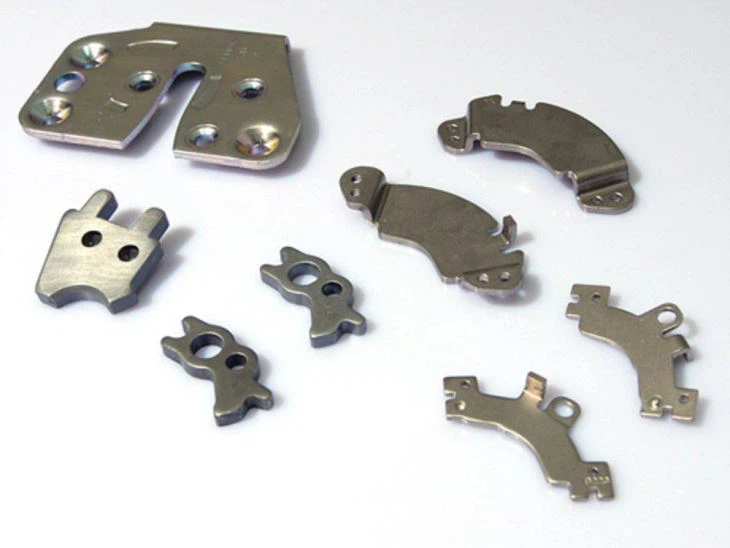
Before delving into the selection process, it's essential to have a basic understanding of the different types of metal presses available. Metal presses are machines used to shape and form metal sheets or parts through various processes such as stamping, punching, bending, and forging. The most common types of metal presses include mechanical presses, hydraulic presses, and pneumatic presses.
Mechanical presses are powered by a flywheel and a crankshaft mechanism. They are known for their high speed and precision, making them ideal for high-volume production of simple parts. Hydraulic presses, on the other hand, use hydraulic fluid to generate force. They offer greater flexibility in terms of force control and can handle more complex forming operations. Pneumatic presses use compressed air to operate and are typically used for light-duty applications.

Assessing Your Project Requirements
The first step in choosing the right metal press is to assess your project requirements. Consider the following factors:
Material
The type of metal you are working with is a crucial factor. Different metals have different properties, such as hardness, ductility, and thickness, which can affect the type of press required. For example, harder metals like stainless steel may require a more powerful press with greater force capacity, while softer metals like aluminum can be formed using a less powerful press.
Part Size and Complexity
The size and complexity of the parts you need to produce will also influence your press selection. Larger parts may require a press with a larger bed size and greater stroke length, while complex parts may need a press with more advanced features, such as multi-axis control or programmable logic controllers (PLCs).
Production Volume
The volume of parts you need to produce is another important consideration. High-volume production projects typically require a press with high speed and efficiency, such as a mechanical press. For low-volume or prototype production, a hydraulic press may be a better choice as it offers more flexibility and can be easily adjusted for different part designs.
Tolerance
The required tolerance of your parts is a critical factor in press selection. Tighter tolerances require a press with higher precision and accuracy. Hydraulic presses are often preferred for applications that require high precision due to their ability to control force and speed more precisely.
Considering Press Features and Capabilities
Once you have assessed your project requirements, it's time to consider the features and capabilities of the metal presses available. Here are some key features to look for:
Force Capacity
The force capacity of a press is measured in tons and indicates the maximum amount of force the press can apply. It's important to choose a press with a force capacity that is sufficient for your project. However, it's also important not to oversize the press, as this can lead to increased energy consumption and higher costs.
Stroke Length
The stroke length of a press refers to the distance the ram travels from its highest position to its lowest position. It's important to choose a press with a stroke length that is appropriate for the size of the parts you need to produce. A longer stroke length may be required for deeper draws or more complex forming operations.
Bed Size
The bed size of a press refers to the size of the work surface on which the die is mounted. It's important to choose a press with a bed size that is large enough to accommodate the die and the parts you need to produce. A larger bed size may also provide more flexibility for future projects.
Speed and Productivity
The speed and productivity of a press are important factors, especially for high-volume production projects. Look for a press with a high stroke rate and fast setup times to maximize productivity. Some presses also offer features such as automatic feeding and unloading systems, which can further improve efficiency.
Control System
The control system of a press is responsible for regulating the press's operation and ensuring accuracy and repeatability. Look for a press with a user-friendly control system that allows you to easily program and adjust the press settings. Some presses also offer advanced features such as remote monitoring and diagnostics, which can help you troubleshoot problems quickly and minimize downtime.
Evaluating Press Quality and Reliability
When choosing a metal press, it's important to evaluate the quality and reliability of the machine. Here are some factors to consider:
Manufacturer Reputation
Choose a press from a reputable manufacturer with a proven track record of producing high-quality machines. Look for manufacturers that have been in business for a long time and have a good reputation in the industry. You can also read customer reviews and testimonials to get an idea of the manufacturer's reliability and customer service.
Build Quality
Inspect the build quality of the press. Look for a press that is well-constructed and made from high-quality materials. A solid frame and robust components will ensure the press's durability and reliability over time.
Maintenance and Support
Consider the maintenance requirements and support offered by the manufacturer. A press that is easy to maintain and has readily available spare parts will minimize downtime and reduce maintenance costs. Look for a manufacturer that offers comprehensive training, technical support, and a warranty on their machines.
Exploring Additional Services and Resources
As a Metal Press supplier, we offer a range of additional services and resources to help you choose the right press for your project. These include:
Customization
We understand that every project is unique, and we offer custom-designed metal presses to meet your specific requirements. Our team of experienced engineers can work with you to design a press that is tailored to your project's needs, ensuring optimal performance and efficiency.
Tooling and Die Design
In addition to presses, we also offer tooling and die design services. Our team of tooling experts can design and manufacture high-quality dies and tooling for your press, ensuring accurate and consistent part production.
Training and Support
We provide comprehensive training and support to help you get the most out of your metal press. Our training programs cover everything from basic operation and maintenance to advanced programming and troubleshooting. We also offer ongoing technical support to ensure your press is running smoothly and efficiently.
Conclusion
Choosing the right metal press for a specific project is a complex decision that requires careful consideration of your project requirements, press features, and quality. By following the steps outlined in this blog, you can make an informed decision and select a press that will meet your needs and help you achieve your production goals.
If you have any questions or need further assistance in choosing the right metal press for your project, please don't hesitate to contact us. We are here to help you every step of the way. Whether you are looking for a Precision Custom Laser Cutting Welding Sheet Metal Stamping Process, Sheet Metal Fabrication Cutting Bending Stamping and Welding, or High Quantity Sheet Metal Stamping for Various Hardware, we have the expertise and resources to provide you with the best solution.
References
- "Metal Forming Handbook," ASM International
- "Pressworking of Sheet Metal," Society of Manufacturing Engineers
- "Manufacturing Engineering and Technology," S. Kalpakjian and S. R. Schmid


