Welding pipes in a confined area with poor ventilation is a challenging task that requires strict safety precautions. As a Pipe Welding supplier, I have witnessed firsthand the importance of these safety measures in protecting workers and ensuring the success of welding projects. In this blog, I will share some essential safety precautions for welding pipes in such environments.
Understanding the Risks
Before delving into the safety precautions, it is crucial to understand the risks associated with welding pipes in a confined area with poor ventilation. Welding generates a variety of hazardous substances, including fumes, gases, and dust. In a confined space with limited air circulation, these contaminants can quickly accumulate to dangerous levels.


Fumes from welding typically contain metal oxides, such as iron oxide, manganese oxide, and chromium oxide. Inhaling these fumes can cause respiratory problems, including irritation of the nose, throat, and lungs. Prolonged exposure to welding fumes can lead to more serious health issues, such as metal fume fever, pneumoconiosis, and lung cancer.
Gases produced during welding, such as carbon monoxide, nitrogen oxides, and ozone, are also harmful. Carbon monoxide is a colorless, odorless gas that can cause headaches, dizziness, nausea, and even death if inhaled in high concentrations. Nitrogen oxides can irritate the respiratory system and cause bronchitis and pneumonia. Ozone is a powerful oxidant that can damage the lungs and cause shortness of breath, chest pain, and coughing.
In addition to fumes and gases, welding also generates dust, which can contain harmful substances such as silica. Inhaling silica dust can cause silicosis, a serious and irreversible lung disease.
Safety Precautions
1. Ventilation
The most important safety precaution for welding pipes in a confined area with poor ventilation is to ensure adequate ventilation. This can be achieved through natural ventilation or mechanical ventilation.
Natural ventilation involves opening doors, windows, or hatches to allow fresh air to enter the confined space and exhaust the contaminated air. However, natural ventilation may not be sufficient in areas with poor air circulation or where the welding process generates a large amount of fumes and gases.
Mechanical ventilation is a more effective way to remove contaminants from the confined space. This can be done using exhaust fans, local exhaust ventilation systems, or forced-air ventilation systems. Exhaust fans are used to remove the contaminated air from the confined space and discharge it outside. Local exhaust ventilation systems are designed to capture the fumes and gases at the source and remove them before they can spread throughout the confined space. Forced-air ventilation systems are used to supply fresh air to the confined space and maintain a positive pressure, which helps to prevent the entry of contaminated air from outside.
When using mechanical ventilation, it is important to ensure that the ventilation system is properly designed, installed, and maintained. The ventilation system should be capable of removing the contaminants generated by the welding process at a rate that is sufficient to keep the air quality within acceptable limits. The ventilation system should also be regularly inspected and cleaned to ensure that it is functioning properly.
2. Personal Protective Equipment (PPE)
Welders should wear appropriate personal protective equipment (PPE) to protect themselves from the hazards associated with welding pipes in a confined area with poor ventilation. The PPE should include a welding helmet, safety glasses, gloves, a welding jacket, and respiratory protection.
A welding helmet is used to protect the welder's face and eyes from the intense light, heat, and sparks generated by the welding process. The welding helmet should have a proper shade lens to protect the eyes from the harmful ultraviolet and infrared radiation.
Safety glasses are worn under the welding helmet to provide additional protection for the eyes. Safety glasses should have side shields to protect the eyes from flying debris.
Gloves are used to protect the welder's hands from the heat, sparks, and sharp edges of the pipes. Welding gloves should be made of a heat-resistant material, such as leather or Kevlar.
A welding jacket is worn to protect the welder's body from the heat, sparks, and molten metal. The welding jacket should be made of a fire-resistant material, such as leather or cotton.
Respiratory protection is essential for welders working in a confined area with poor ventilation. This can be achieved through the use of respirators, such as half-face respirators, full-face respirators, or powered air-purifying respirators (PAPRs). Respirators should be properly selected, fitted, and maintained to ensure that they provide adequate protection against the contaminants generated by the welding process.
3. Hazardous Gas Detection
Before starting any welding work in a confined area with poor ventilation, it is important to conduct a hazardous gas detection to determine the presence and concentration of harmful gases. This can be done using gas detectors, such as carbon monoxide detectors, oxygen detectors, and combustible gas detectors.
Gas detectors should be placed in strategic locations within the confined space to monitor the gas levels continuously. If the gas levels exceed the acceptable limits, the welding work should be stopped immediately, and the confined space should be ventilated until the gas levels return to safe levels.
4. Fire Prevention
Welding generates heat, sparks, and molten metal, which can pose a fire hazard in a confined area with poor ventilation. To prevent fires, it is important to take the following precautions:
- Keep the welding area clean and free of flammable materials, such as paper, cardboard, and oil.
- Use fire-resistant barriers to protect nearby flammable materials from the heat, sparks, and molten metal.
- Have a fire extinguisher readily available in the welding area and ensure that all workers are trained in its use.
- Before starting any welding work, check the area for any potential fire hazards and take appropriate measures to eliminate them.
5. Training and Education
All workers involved in welding pipes in a confined area with poor ventilation should receive proper training and education on the hazards associated with the welding process and the safety precautions that need to be taken. The training should include information on ventilation, personal protective equipment, hazardous gas detection, fire prevention, and emergency procedures.
Workers should also be trained on how to use the ventilation system, gas detectors, and other safety equipment properly. Regular refresher training should be provided to ensure that workers are up-to-date on the latest safety procedures and regulations.
6. Monitoring and Inspection
Regular monitoring and inspection of the confined space and the welding equipment are essential to ensure that the safety precautions are being followed and that the welding process is being carried out safely. This can be done by conducting visual inspections, gas monitoring, and equipment testing.
Visual inspections should be carried out before, during, and after the welding work to check for any signs of damage, leaks, or other hazards. Gas monitoring should be carried out continuously to ensure that the gas levels are within acceptable limits. Equipment testing should be carried out regularly to ensure that the ventilation system, gas detectors, and other safety equipment are functioning properly.
Conclusion
Welding pipes in a confined area with poor ventilation is a hazardous task that requires strict safety precautions. By following the safety precautions outlined in this blog, welders can protect themselves from the hazards associated with welding and ensure the success of their welding projects.
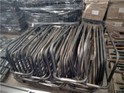
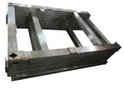
As a Pipe Welding supplier, we are committed to providing our customers with high-quality welding services and products. We offer a wide range of welding services, including Custom Precision Steel Pipe Bending Welding for Trolley, Precision Powder Coated Laser Cut Fabrication Pipe Customized, and Precision Welding Pipe Bending Service for Hose Reel with Black Powder Coating. Our team of experienced welders is trained to follow the highest safety standards and to ensure that all welding projects are completed safely and efficiently.
If you are in need of pipe welding services, please contact us to discuss your requirements. We look forward to working with you to meet your welding needs.
References
- American National Standards Institute (ANSI). (2012). ANSI Z49.1-2012 Safety in Welding, Cutting, and Allied Processes.
- Occupational Safety and Health Administration (OSHA). (2019). Welding, Cutting, and Brazing. 29 CFR 1910.252.
- National Fire Protection Association (NFPA). (2018). NFPA 51B-2018 Standard for Fire Prevention During Welding, Cutting, and Other Hot Work.