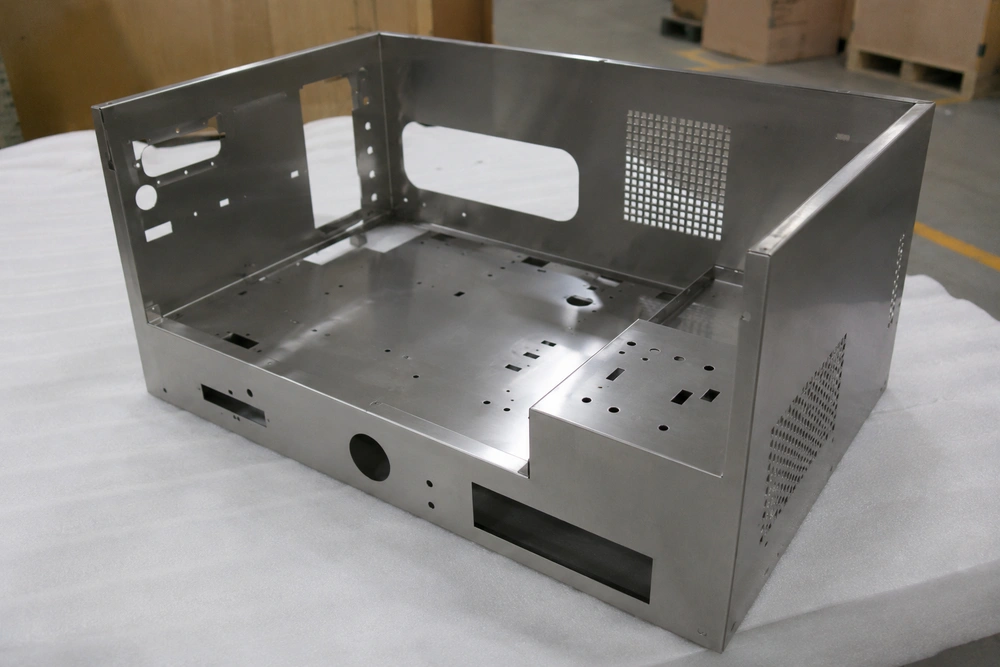

Hey there! As a supplier of Cutting Laser, I've had my fair share of customers asking me which is better: laser cutting or plasma cutting. It's a question that comes up a lot, and it's not an easy one to answer. Both methods have their own unique advantages and disadvantages, and the choice between them depends on a variety of factors. In this blog post, I'm going to break down the differences between laser cutting and plasma cutting to help you make an informed decision.
Let's start with laser cutting. Laser cutting is a precise and efficient method that uses a high-powered laser beam to cut through materials. The laser beam is focused on the material, melting or vaporizing it to create a clean, precise cut. One of the biggest advantages of laser cutting is its precision. It can cut very intricate shapes with high accuracy, making it ideal for applications where precision is key, like creating Custom Logo Laser Cut Metal Good Quality.
Another great thing about laser cutting is its versatility. It can cut a wide range of materials, including metals, plastics, wood, and ceramics. This makes it a popular choice for many different industries, from automotive to jewelry making. For instance, if you need High Precision 5mm Carbon Steel Cut Custom Laser Cut Steel, laser cutting can deliver excellent results.
Laser cutting also produces a smooth cut surface, which often means less post - processing is required. The heat - affected zone (HAZ) is relatively small, reducing the risk of warping or other heat - related damage to the material. And because it's a non - contact cutting method, there's no physical force applied to the material, which can prevent damage and deformation.
However, laser cutting does have some drawbacks. The initial cost of a laser cutting machine is quite high. These machines are complex and require a significant investment. Also, the operating costs can be relatively high, especially when it comes to the cost of the laser source and the maintenance of the machine. Laser cutting is also not as effective for very thick materials. As the thickness of the material increases, the cutting speed decreases significantly, and it may not be able to cut through extremely thick metals efficiently.
Now, let's talk about plasma cutting. Plasma cutting is a process that uses a high - velocity jet of ionized gas (plasma) to cut through conductive materials, mainly metals. Plasma cutting is known for its speed. It can cut through thick metals much faster than laser cutting. If you're working with thick steel sheets, plasma cutting can get the job done in a fraction of the time it would take with a laser cutter.
It's also a relatively cost - effective option, especially for small - to - medium - sized businesses. The initial investment in a plasma cutting machine is generally lower than that of a laser cutting machine, and the operating costs are also more affordable. Plasma cutting can be a great choice for cutting large sheets of metal, making it popular in industries like construction and metal fabrication.
One of the unique features of plasma cutting is its ability to cut through any conductive material. Whether it's stainless steel, aluminum, or mild steel, plasma cutting can handle it. And it doesn't require the same level of precision as laser cutting in some cases, so it can be used for more rough - cut applications where high accuracy isn't the top priority.
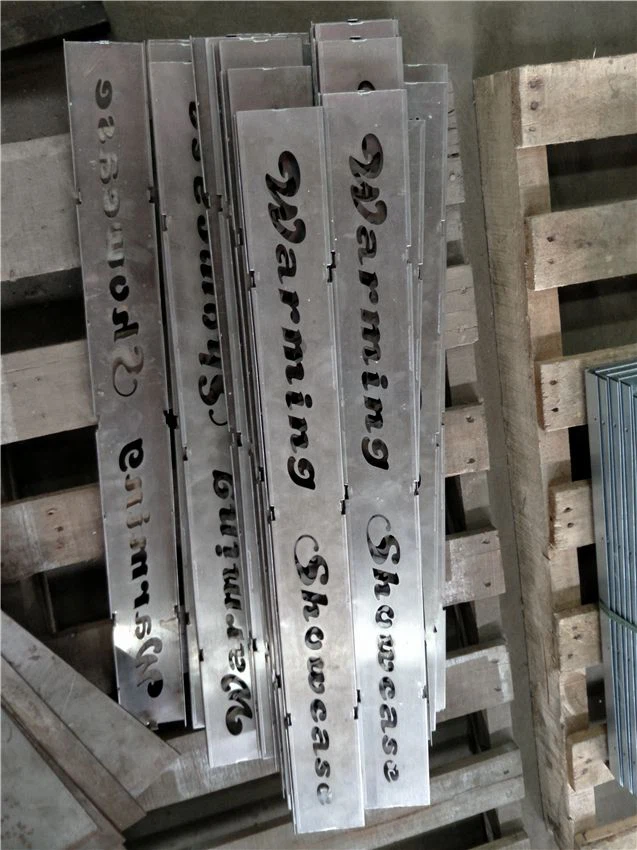

But plasma cutting isn't without its problems. The cut quality is generally not as good as that of laser cutting. The edges may be rougher, and there's a larger heat - affected zone, which can cause warping and distortion in the material. This often means more post - processing is needed to achieve the desired finish. Plasma cutting also produces a lot of noise and fumes, so proper ventilation and safety equipment are essential.
So, which is better? Well, it really depends on your specific needs. If you need high - precision cuts on a variety of materials, especially for thin to medium - thickness materials, laser cutting is probably the way to go. You can take a look at our Custom High Precision Stainless Steel or Carbon Steel Cutting Laser options for some great examples of what laser cutting can offer.
On the other hand, if you're dealing with thick metals and need to cut them quickly and cost - effectively, plasma cutting might be the better choice. Maybe you're in a hurry to finish a large - scale construction project or fabricate some heavy - duty metal parts.
In conclusion, both laser cutting and plasma cutting have their place in the manufacturing world. As a Cutting Laser supplier, I'm here to help you make the right decision based on your project requirements. If you're still not sure which method is best for you, or if you have any questions about our products, feel free to reach out. We can have a detailed discussion about your needs and come up with the most suitable solution for your business. Whether you're looking for a high - precision laser cut or a fast plasma cut, we've got you covered.
Let's work together to find the perfect cutting solution for your next project. Get in touch with us today to start the conversation and explore the possibilities of our cutting technologies.
References
- "Metal Cutting Processes Handbook" by John R. Davis
- "Manufacturing Engineering and Technology" by S. Kalpakjian and S. R. Schmid