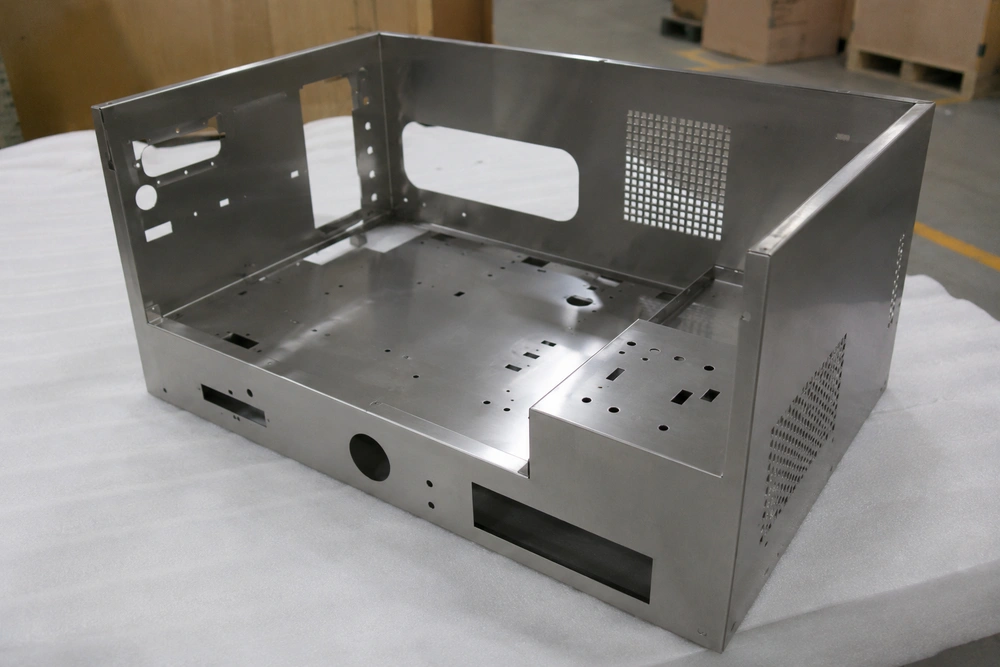

Pressure plays a pivotal role in the steel forming process during forging. As a leading steel forming supplier, we have witnessed firsthand how different levels of pressure can significantly impact the quality, structure, and performance of forged steel products. In this blog, we will delve into the intricate relationship between pressure and steel forming in forging, exploring the mechanisms, benefits, and challenges associated with this crucial aspect of the manufacturing process.
Understanding the Basics of Forging
Forging is a manufacturing process in which metal is shaped by applying compressive forces using hammering, pressing, or rolling. This process can be performed either hot or cold, depending on the temperature at which the metal is worked. Hot forging involves heating the metal above its recrystallization temperature, making it more malleable and easier to shape. Cold forging, on the other hand, is carried out at room temperature or slightly above, which results in a stronger and more precise final product.
The Role of Pressure in Forging
Pressure is the driving force behind the deformation of steel during forging. When pressure is applied to the steel, it causes the metal grains to rearrange and flow, resulting in the desired shape. The amount of pressure required depends on several factors, including the type of steel, the size and shape of the workpiece, and the forging method being used.
Impact of Pressure on Steel Structure
One of the most significant effects of pressure on steel forming is its impact on the metal's microstructure. During forging, the application of pressure can refine the grain structure of the steel, making it stronger and more ductile. This is because the pressure causes the grains to break down and reform into smaller, more uniform shapes, which improves the material's mechanical properties.


For example, in hot forging, the high temperatures and pressures cause the steel to recrystallize, resulting in a fine-grained microstructure. This fine-grained structure enhances the steel's strength, toughness, and fatigue resistance, making it suitable for applications where high performance is required.
In cold forging, the pressure applied at lower temperatures can also refine the grain structure, but to a lesser extent. However, cold forging can also introduce residual stresses into the steel, which can affect its dimensional stability and performance. Therefore, it is important to carefully control the pressure and temperature during cold forging to minimize these effects.
Influence of Pressure on Surface Finish
Pressure also plays a crucial role in determining the surface finish of forged steel products. When pressure is applied during forging, it can help to eliminate surface defects and improve the overall smoothness of the workpiece. This is because the pressure forces the metal to flow and fill in any voids or imperfections on the surface, resulting in a more uniform and defect-free finish.
In addition, the type of forging die used can also affect the surface finish. A well-designed die with a smooth surface can help to transfer the pressure evenly across the workpiece, resulting in a better surface finish. Conversely, a poorly designed die can cause uneven pressure distribution, leading to surface defects such as cracks, folds, and porosity.
Benefits of Optimal Pressure in Forging
Applying the right amount of pressure during forging offers several benefits, including:
- Improved Mechanical Properties: As mentioned earlier, optimal pressure can refine the grain structure of the steel, resulting in improved strength, toughness, and fatigue resistance. This makes the forged steel products more reliable and durable, reducing the risk of failure in service.
- Enhanced Dimensional Accuracy: By carefully controlling the pressure, it is possible to achieve high levels of dimensional accuracy in forged steel products. This is particularly important in applications where precise fit and function are required, such as in automotive and aerospace components.
- Increased Productivity: Optimal pressure can also help to increase the productivity of the forging process. By reducing the number of defects and rework, manufacturers can produce more parts in less time, resulting in lower costs and higher profitability.
Challenges in Controlling Pressure
While pressure is essential for successful steel forming in forging, it can also present several challenges. One of the main challenges is ensuring that the pressure is applied evenly across the workpiece. Uneven pressure distribution can lead to variations in the shape, size, and quality of the forged products, which can affect their performance and functionality.
Another challenge is controlling the pressure within the desired range. If the pressure is too low, the steel may not deform sufficiently, resulting in incomplete shaping and poor mechanical properties. On the other hand, if the pressure is too high, it can cause the steel to crack or fracture, leading to scrap and increased costs.
To overcome these challenges, manufacturers need to use advanced forging equipment and techniques that allow for precise control of the pressure. This may include the use of hydraulic presses, servo presses, and computer numerical control (CNC) systems, which can accurately monitor and adjust the pressure during the forging process.
Our Expertise in Steel Forming
As a leading steel forming supplier, we have extensive experience in using pressure to produce high-quality forged steel products. We have a state-of-the-art manufacturing facility equipped with advanced forging equipment, including hydraulic presses, hammer forging machines, and CNC machining centers. Our team of skilled engineers and technicians has in-depth knowledge of the forging process and can optimize the pressure and other parameters to ensure the best possible results.
We offer a wide range of steel forming services, including Customized Precision Welding Fabricated Steel High Quality, High Precise CNC Metal Working Welded All Steel Fabrication, and Custom OEM Carbon Steel Fabricators with Powder Coating. Whether you need a single prototype or a large production run, we can provide you with customized solutions that meet your specific requirements.
Contact Us for Your Steel Forming Needs
If you are looking for a reliable steel forming supplier that can deliver high-quality products at competitive prices, look no further. Contact us today to discuss your steel forming requirements and learn more about how we can help you achieve your goals. Our team of experts will be happy to provide you with a free quote and answer any questions you may have.
References
- Boyer, H. E. (Ed.). (1985). Atlas of Isothermal Transformation and Cooling Transformation Diagrams. ASM International.
- Davis, J. R. (Ed.). (1997). Metals Handbook: Properties and Selection: Irons, Steels, and High-Performance Alloys. ASM International.
- Kalpakjian, S., & Schmid, S. R. (2008). Manufacturing Engineering and Technology. Pearson Prentice Hall.