


What are the storage conditions for pipe fabrication materials?
As a leading supplier in the pipe fabrication industry, I understand the critical importance of proper storage conditions for pipe fabrication materials. The quality of these materials directly impacts the final product's integrity, performance, and longevity. In this blog post, I will delve into the essential storage conditions that ensure the preservation of pipe fabrication materials, drawing on my years of experience in the field.
Temperature and Humidity Control
One of the primary factors affecting the storage of pipe fabrication materials is temperature and humidity. Most pipes and related components are made of metals such as steel, which are susceptible to corrosion when exposed to excessive moisture. Therefore, it is crucial to store these materials in a controlled environment with stable temperature and humidity levels.
For steel pipes, the ideal storage temperature ranges between 10°C and 30°C. Temperatures below this range can cause the metal to become brittle, increasing the risk of cracking during handling and fabrication. On the other hand, high temperatures can accelerate the oxidation process, leading to rust formation.
Humidity levels should be kept below 60% to prevent corrosion. In areas with high humidity, dehumidifiers can be installed to maintain the appropriate moisture levels. Additionally, storing pipes in a dry, well - ventilated area helps to reduce the risk of condensation, which can also contribute to corrosion.
Protection from Physical Damage
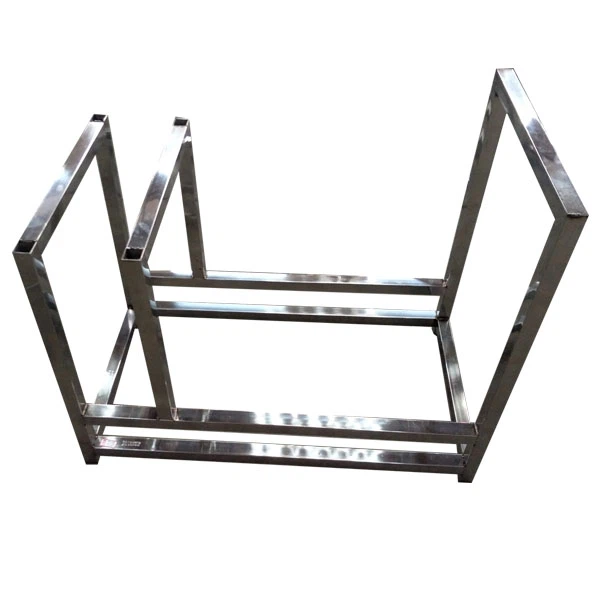
Pipe fabrication materials are often heavy and bulky, making them prone to physical damage during storage. To prevent scratches, dents, and other forms of damage, pipes should be stored on appropriate supports. Wooden or rubber - lined racks are ideal as they provide a soft surface that minimizes the risk of damage to the pipe's surface.
When stacking pipes, it is important to ensure that the load is evenly distributed. Pipes should be stacked in a stable manner, with the largest and heaviest pipes at the bottom. Overloading stacks can cause pipes to shift or collapse, resulting in damage. Moreover, pipes should be stored away from areas where they can be hit by moving equipment or vehicles.
Protection from Chemical Exposure
Pipes can be damaged by exposure to various chemicals. For example, acidic or alkaline substances can corrode the metal surface of the pipes. Therefore, pipes should be stored away from areas where chemicals are used or stored. If there is a risk of chemical exposure, pipes should be covered with protective coatings or wraps.
In addition, pipes should not be stored near sources of pollution, such as industrial chimneys or areas with high levels of air pollution. These pollutants can contain corrosive substances that can damage the pipes over time.
Organization and Inventory Management
Proper organization and inventory management are essential for the storage of pipe fabrication materials. By keeping a detailed inventory of the pipes in stock, it becomes easier to track the age, size, and type of each pipe. This helps to ensure that older pipes are used first, reducing the risk of long - term storage issues.
Pipes should be labeled clearly with their size, material type, and other relevant information. This makes it easier to locate specific pipes when needed. Additionally, a first - in, first - out (FIFO) system should be implemented to ensure that the oldest pipes are used before the newer ones.

Specific Considerations for Different Pipe Materials
Different types of pipe materials have specific storage requirements. For example, stainless steel pipes are more resistant to corrosion than carbon steel pipes. However, they can still be affected by chloride ions, which are commonly found in seawater and some cleaning agents. Therefore, stainless steel pipes should be stored away from areas where they can come into contact with chloride - containing substances.
Copper pipes are also prone to corrosion, especially when exposed to sulfur - containing compounds. They should be stored in a clean, dry environment and away from sources of sulfur, such as rubber products that may release sulfur over time.
Outdoor Storage
In some cases, it may be necessary to store pipes outdoors. When storing pipes outdoors, they should be protected from the elements. Tarps or covers can be used to shield pipes from rain, snow, and sunlight. However, it is important to ensure that the covers are breathable to prevent condensation from forming inside.
Pipes should be stored on elevated platforms to prevent them from coming into contact with the ground, which can be a source of moisture and contaminants. Additionally, outdoor storage areas should be fenced off to prevent unauthorized access and damage.
As a Pipe Fabrication supplier, we offer a wide range of services to meet your pipe fabrication needs. Whether you are looking for Custom Bending Welding Tube Frame Tube Fabrication, Mould bending Fabrication U Shaped Bending Steel Pipe, or Direct Factory Custom Tube Processing Steel Pipe Fabrication, we have the expertise and resources to deliver high - quality products.
If you are interested in purchasing pipe fabrication materials or have any questions about our services, please do not hesitate to contact us. Our team of experts is ready to assist you in finding the best solutions for your project.
References
- ASME B31.3 Process Piping Code
- ASTM Standards for Steel Pipes and Tubes
- National Association of Pipe Fabricators (NAPF) Guidelines for Pipe Storage


