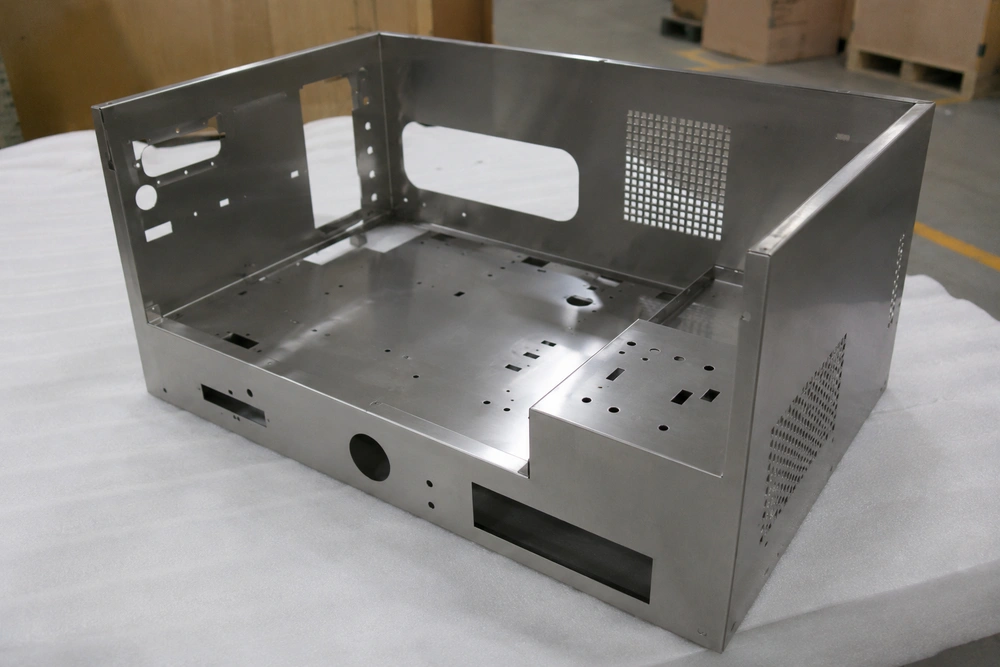

When dealing with metal parts, safety is of utmost importance. As a trusted Metal Parts supplier, we understand the critical role that safety plays in every step of the process, from handling raw materials to delivering the final products. In this blog post, we'll explore the key safety considerations when handling metal parts, ensuring that both our team and our clients can work with confidence.
Personal Protective Equipment (PPE)
The first line of defense when handling metal parts is the proper use of Personal Protective Equipment (PPE). This includes items such as safety glasses, gloves, and steel - toed boots.
Safety glasses are essential to protect the eyes from flying metal chips, sparks, and debris. When cutting, grinding, or drilling metal parts, small fragments can be ejected at high speeds. A simple pair of safety glasses can prevent serious eye injuries.
Gloves are another crucial piece of PPE. Depending on the nature of the work, different types of gloves may be required. For example, when handling sharp - edged metal parts, cut - resistant gloves are necessary to prevent cuts and lacerations. Heat - resistant gloves are used when working with hot metal, such as during welding or heat - treating processes.
Steel - toed boots protect the feet from heavy metal parts that could be dropped. Metal parts can be extremely heavy, and a single dropped part can cause severe foot injuries. Wearing steel - toed boots significantly reduces the risk of such accidents.


Workplace Safety
A well - organized and safe workplace is essential for handling metal parts. The work area should be clean and free of clutter. Metal shavings, scraps, and tools should be properly stored and disposed of. Tripping hazards, such as loose cables or scattered parts, should be eliminated.
Proper ventilation is also crucial, especially when working with processes that generate fumes, such as welding or soldering. Metal fumes can be toxic and can cause a variety of health problems, including respiratory issues and metal fume fever. Adequate ventilation systems, such as exhaust fans or fume extractors, should be in place to remove these harmful fumes from the work area.
In addition, the workplace should be equipped with appropriate fire - prevention measures. Metal parts can be involved in fires, especially if they are in contact with flammable substances or if there are welding or cutting operations taking place. Fire extinguishers should be readily available, and employees should be trained on how to use them.
Equipment Safety
The equipment used to handle metal parts must be properly maintained and inspected regularly. Machines such as lathes, milling machines, and presses can be dangerous if they are not in good working condition.
Before using any equipment, operators should perform a pre - use inspection. This includes checking for loose parts, damaged cables, and proper lubrication. Any issues should be addressed immediately before starting the machine.
Guards and safety devices on equipment should be in place and functioning correctly. For example, a lathe should have a guard to prevent operators from coming into contact with the rotating spindle. Safety interlocks on presses ensure that the machine cannot operate if the safety door is open.
Handling and Lifting
When handling metal parts, proper lifting techniques are essential. Metal parts can be heavy and awkward to lift, and improper lifting can lead to back injuries. Employees should be trained on how to lift heavy objects safely, using their legs instead of their backs.
If possible, mechanical lifting aids such as cranes, hoists, or forklifts should be used to handle large and heavy metal parts. These devices can reduce the physical strain on workers and minimize the risk of injuries. When using lifting equipment, operators must be properly trained and certified.
Chemical Safety
In some cases, metal parts may be treated with chemicals, such as cleaning agents or coatings. These chemicals can be hazardous if not handled properly.
Employees should be trained on the safe handling, storage, and disposal of chemicals. Chemicals should be stored in a designated area, away from heat sources and incompatible substances. When using chemicals, appropriate PPE, such as chemical - resistant gloves and goggles, should be worn.
Training and Education
All employees involved in handling metal parts should receive comprehensive safety training. This training should cover all aspects of safety, including PPE use, workplace safety, equipment operation, and chemical handling.
Regular safety meetings and refresher courses should be conducted to keep employees updated on safety procedures and to address any new safety concerns. By investing in employee training, we can ensure that everyone in the workplace is aware of the potential hazards and knows how to prevent accidents.
Quality Control and Inspection
As a Metal Parts supplier, we also focus on quality control and inspection to ensure the safety of our products. Each metal part should be inspected for defects, such as cracks, sharp edges, or improper dimensions. Defective parts can pose safety risks to our clients, and we take every measure to prevent them from leaving our facility.
We use advanced inspection techniques, such as non - destructive testing methods, to detect internal defects in metal parts. This helps us to identify and remove any parts that may not meet the required safety standards.
Our Product Offerings
At our company, we offer a wide range of high - quality metal parts. You can explore our New Style On Air Free Sample Bending Welding Stamping Parts Sheet Metal Products Stainless Steel Frame Heavy Metal Fabrication for innovative and reliable solutions. Our Customized Made Working Stainless Steel Holder Welded Parts Sheet Metal Frame Parts are designed to meet your specific requirements. And if you need professional services, our Professional Custom Aluminium Welding Sheet Metal Fabricator team is here to assist you.
Conclusion
Safety is a top priority when handling metal parts. By following these safety considerations, we can protect our employees, our clients, and the environment. As a Metal Parts supplier, we are committed to providing safe and high - quality products. If you are interested in our metal parts or have any questions about safety in handling metal parts, we encourage you to contact us for a procurement discussion. We look forward to working with you to meet your metal part needs.
References
- OSHA (Occupational Safety and Health Administration) guidelines on metalworking safety.
- Industry standards for handling and manufacturing metal parts.