
Operating a cutting laser is a specialized skill that requires a combination of theoretical knowledge, practical training, and hands - on experience. As a cutting laser supplier, I understand the importance of providing comprehensive training to ensure that operators can use our equipment safely and efficiently. In this blog, I will discuss the various types of training required to operate a cutting laser.

Theoretical Knowledge Training
Laser Physics and Technology
A fundamental understanding of laser physics is essential for laser operators. Lasers work by emitting a highly concentrated beam of light through a process called stimulated emission. Operators need to know how different types of lasers, such as CO2 lasers, fiber lasers, and Nd:YAG lasers, function. For example, CO2 lasers are commonly used for cutting non - metallic materials and some metals, while fiber lasers are more suitable for high - speed metal cutting. Knowledge of laser wavelength, power, and beam quality is also crucial as these factors directly affect the cutting process.
Material Properties
Different materials have different responses to laser cutting. Operators must be familiar with the properties of materials such as metals (e.g., steel, aluminum), plastics, and wood. For instance, when cutting High Precision 5mm Carbon Steel Cut Custom Laser Cut Steel, the operator needs to understand the carbon content of the steel, which can influence the cutting speed, power requirements, and the quality of the cut edge. Harder metals may require higher laser power and slower cutting speeds to achieve a clean cut, while softer materials may be more prone to melting or warping if the laser settings are not adjusted correctly.
Safety Regulations
Safety is of utmost importance when operating a cutting laser. Operators must be trained on safety regulations related to laser use. This includes wearing appropriate personal protective equipment (PPE) such as laser - resistant goggles, gloves, and protective clothing. They also need to understand the potential hazards associated with lasers, such as eye damage, skin burns, and fire risks. Training should cover how to properly maintain the laser equipment to prevent malfunctions that could lead to safety incidents. For example, ensuring that the ventilation system is working correctly to remove fumes generated during the cutting process.
Practical Training
Equipment Familiarization
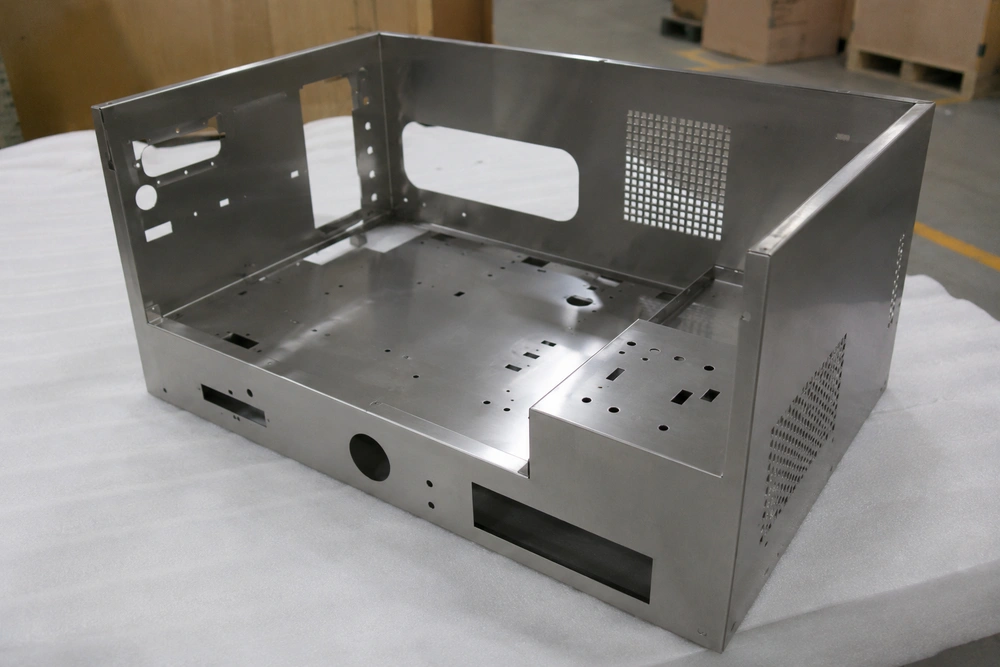
Before operating the cutting laser, operators need to be thoroughly familiar with the equipment. This includes learning how to turn on and off the laser, adjust the power settings, and set the cutting parameters such as speed and focus. They should also be able to load and unload materials onto the cutting bed safely. Our Custom High Precision Stainless Steel or Carbon Steel Cutting Laser has a user - friendly interface, but operators still need hands - on training to make the most of its features.
Programming
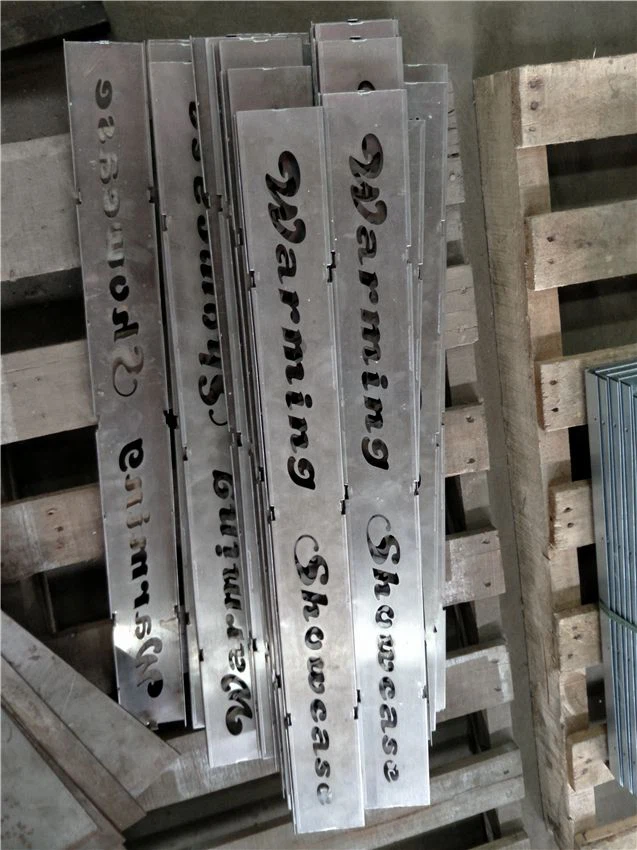
Most modern cutting lasers are controlled by computer - numerical - control (CNC) systems. Operators need to learn how to program the CNC system to create cutting patterns. This involves using CAD (Computer - Aided Design) and CAM (Computer - Aided Manufacturing) software. They must be able to import design files, convert them into machine - readable code, and adjust the programming to account for material thickness and other factors. For example, when creating Custom Logo Laser Cut Metal Good Quality, the operator needs to ensure that the logo design is accurately translated into a cutting program.
Troubleshooting
During the operation of the cutting laser, problems may arise. Operators should be trained to troubleshoot common issues such as misaligned cutting paths, poor cut quality, or equipment malfunctions. They need to know how to identify the root cause of the problem and take appropriate corrective actions. For example, if the cut edge is rough, the operator may need to adjust the laser power or the cutting speed.
On - the - Job Training and Experience
Supervised Practice
Even after completing theoretical and practical training, operators need supervised on - the - job practice. This allows them to apply their knowledge in a real - world setting under the guidance of an experienced operator. During this period, they can learn how to handle different types of jobs, deal with unexpected situations, and improve their overall efficiency.
Continuous Learning
The field of laser cutting is constantly evolving. New technologies and materials are being introduced regularly. Therefore, operators should engage in continuous learning to stay updated with the latest trends and techniques. This can include attending industry seminars, workshops, and online courses.
Importance of Training for Our Customers
As a cutting laser supplier, we understand that well - trained operators can maximize the performance of our equipment. Proper training reduces the risk of accidents, improves the quality of the cut products, and increases the overall productivity of our customers' operations. We offer comprehensive training programs for our customers, which include both classroom - based theoretical training and hands - on practical training at our facilities or on - site at the customer's location.
Contact Us for Training and Purchasing
If you are interested in our cutting lasers and would like to learn more about our training programs, or if you have any questions regarding the operation of cutting lasers, please feel free to contact us. Our team of experts is ready to assist you in choosing the right laser for your needs and providing you with the necessary training to operate it effectively. Whether you are a small - scale workshop or a large - scale manufacturing company, we can help you achieve high - quality laser cutting results.
References
- "Laser Cutting Technology: Principles and Applications" by John Doe
- "Safety Guidelines for Laser Equipment Operators" published by the International Laser Safety Association
- Industry whitepapers on advanced laser cutting techniques and materials.