


What are the design considerations for stainless steel fabrication?
As a seasoned stainless steel fabrication supplier, I've witnessed firsthand the importance of meticulous design considerations in creating high - quality stainless steel products. Stainless steel is a versatile material, widely used in various industries due to its corrosion resistance, strength, and aesthetic appeal. However, achieving the best results in fabrication requires a deep understanding of multiple factors during the design phase.
Material Selection
The first and perhaps most crucial design consideration is the selection of the appropriate stainless steel grade. Different grades of stainless steel have distinct properties, such as corrosion resistance, formability, and strength. For instance, 304 stainless steel is one of the most commonly used grades. It offers excellent corrosion resistance in most environments and is highly formable, making it suitable for a wide range of applications, from kitchen equipment to architectural structures.
On the other hand, 316 stainless steel contains molybdenum, which enhances its corrosion resistance, especially in marine and chemical environments. If you're fabricating a High Quality Welding Hairline Stainless Fabrication for Machines that will be exposed to harsh chemicals or saltwater, 316 would be a better choice.
The thickness of the stainless steel also plays a significant role. Thicker sheets are generally stronger but may be more difficult to form and weld. Thinner sheets are more malleable but may not provide the required structural integrity for heavy - duty applications. When designing a product, you need to balance the strength requirements with the ease of fabrication based on the thickness of the chosen stainless steel.

Design for Fabrication Processes
Another key consideration is how the design will interact with the various fabrication processes. Cutting is one of the initial steps in stainless steel fabrication. Common cutting methods include laser cutting, plasma cutting, and waterjet cutting. Laser cutting offers high precision and a narrow kerf, making it ideal for intricate designs. However, it may not be suitable for very thick stainless steel. Plasma cutting is faster and can handle thicker materials but may have a wider kerf and rougher edges. Waterjet cutting is a versatile method that can cut through various thicknesses without generating heat, which is beneficial for materials that are sensitive to thermal distortion.
Bending is also a critical process. The design should account for the minimum bend radius of the stainless steel. If the bend radius is too small, it can cause cracking or weakening of the material. Additionally, the orientation of the bend in relation to the grain of the stainless steel can affect the quality of the bend. A well - designed product will have bends that are optimized for the material's properties and the bending equipment available.
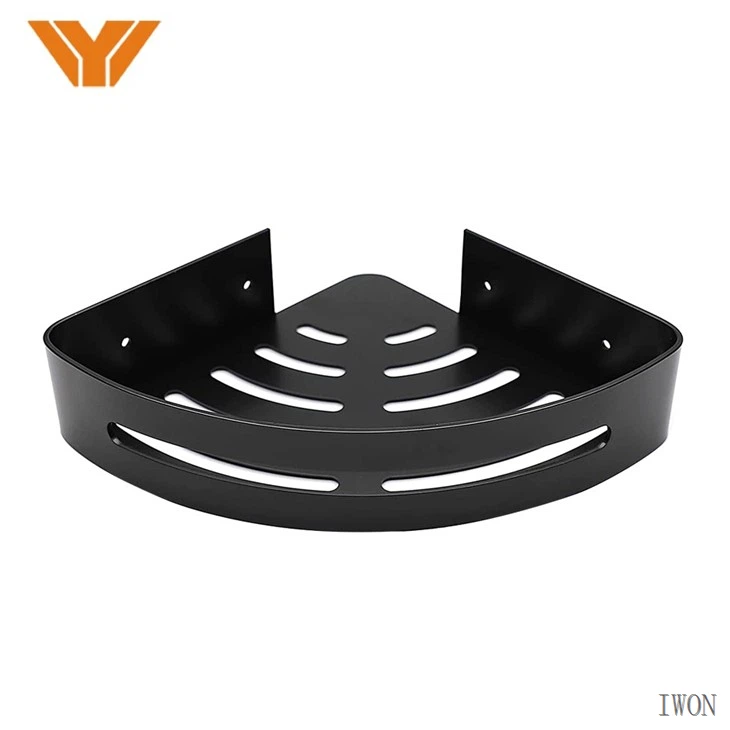
Welding is perhaps the most complex fabrication process. Different welding techniques, such as TIG (Tungsten Inert Gas) welding and MIG (Metal Inert Gas) welding, have their own advantages and limitations. TIG welding provides high - quality, precise welds and is suitable for thin materials and applications where aesthetics are important. MIG welding, on the other hand, is faster and can handle thicker materials but may not offer the same level of precision. The design should consider the accessibility of the weld joints and the type of welding that will be used. For example, if you're designing a Bathroom Metal Corner Shelf, the weld joints should be located in a way that is easy to reach during the welding process and that will not be visible after installation.
Surface Finish
The surface finish of stainless steel is not only important for aesthetics but also for functionality. A smooth surface finish is easier to clean and is more resistant to corrosion. There are several types of surface finishes available, including brushed, polished, and matte finishes.
A brushed finish gives the stainless steel a textured appearance and can hide scratches and fingerprints. It is commonly used in architectural and interior design applications. A polished finish provides a mirror - like appearance, which is highly reflective and gives a luxurious look. However, it may show fingerprints and scratches more easily. A matte finish offers a non - reflective surface that is more forgiving in terms of hiding imperfections.
When designing a product, you need to consider the intended use and the environment in which it will be placed. For example, a product that will be frequently touched, such as a handrail, may benefit from a brushed or matte finish. A decorative piece in a high - end showroom may be better suited for a polished finish.
Structural Integrity and Load - Bearing Capacity
The design of stainless steel products must ensure their structural integrity and ability to withstand the expected loads. This involves calculating the stresses and strains that the product will experience under normal and extreme conditions. For example, if you're fabricating a CNC Precision Steel Sheet Metal Fabrication for a machine that will be subject to vibrations and dynamic loads, the design should include appropriate reinforcements and support structures.
The shape and geometry of the product also affect its structural integrity. A well - designed structure will distribute the loads evenly throughout the material, reducing the risk of stress concentrations and failure. For example, using rounded corners instead of sharp angles can help to reduce stress concentrations in areas where the material is likely to experience high stress.
Cost - Effectiveness
Cost is always a consideration in any manufacturing process. When designing a stainless steel product, you need to balance the quality and performance requirements with the cost of materials, fabrication processes, and finishing. For example, using a more expensive grade of stainless steel may not be necessary if the product will not be exposed to harsh environments. Similarly, choosing a more complex fabrication process may increase the cost without significantly improving the product's performance.
Designing for efficiency is also important. Minimizing waste during the cutting process, reducing the number of welding joints, and optimizing the use of materials can all help to reduce costs. Additionally, considering the ease of assembly and installation can also save time and money in the long run.
Regulatory and Safety Requirements
Finally, the design of stainless steel products must comply with relevant regulatory and safety requirements. These requirements may vary depending on the industry and the intended use of the product. For example, products used in the food and beverage industry must meet strict hygiene standards. Stainless steel used in these applications must be non - toxic and easy to clean to prevent the growth of bacteria.
In the construction industry, stainless steel products must comply with building codes and regulations regarding structural integrity, fire resistance, and seismic performance. When designing a product, it is essential to research and understand the applicable regulations and ensure that the design meets all the requirements.
In conclusion, the design considerations for stainless steel fabrication are multifaceted. From material selection and fabrication processes to surface finish, structural integrity, cost - effectiveness, and regulatory compliance, every aspect must be carefully considered to create high - quality, functional, and aesthetically pleasing stainless steel products.
If you're in need of high - quality stainless steel fabrication services, I invite you to contact us for a detailed discussion. Our team of experts is ready to work with you to turn your design ideas into reality. Whether you have a specific project in mind or need help with the design process, we're here to assist you.
References
- ASM Handbook Volume 13C: Corrosion: Stainless Steels. ASM International.
- The Welding Institute. "Welding Stainless Steels: A Practical Guide."
- American Iron and Steel Institute. "Stainless Steel Design Manual."


