
Hey there! As a supplier in the steel welding business, I've seen my fair share of welding challenges. One of the most tricky ones is overhead steel welding. It's not your average welding job; it comes with its own set of difficulties. But don't worry, I'm here to share some tips and tricks on how to weld steel overhead like a pro.
First off, let's talk about why overhead welding is so tough. When you're welding overhead, gravity is your enemy. The molten metal wants to drip down, which can lead to uneven welds, lack of fusion, and other defects. Also, it's physically more demanding because you have to hold your welding torch in an awkward position for extended periods. But with the right techniques and a bit of practice, you can overcome these challenges.
Preparation is Key
Before you even pick up your welding torch, you need to get everything ready. Start by cleaning the steel surfaces you're going to weld. Any dirt, rust, or grease can affect the quality of the weld. You can use a wire brush or a grinder to clean the area thoroughly.
Next, you'll need to set up your welding equipment. Make sure your welder is properly calibrated for the type and thickness of the steel you're using. The settings for overhead welding might be a bit different from flat or horizontal welding. You'll usually need a slightly lower amperage to prevent the molten metal from dripping too much.
Safety is also super important. Wear the right protective gear, including a welding helmet, gloves, and a fire-resistant jacket. Overhead welding can be messy, and sparks and hot metal can fall on you, so you want to be well-protected.
Choosing the Right Welding Process
There are several welding processes you can use for overhead steel welding, but the most common ones are Shielded Metal Arc Welding (SMAW), Gas Metal Arc Welding (GMAW), and Flux-Cored Arc Welding (FCAW).
- SMAW: This is a popular choice for overhead welding because it's relatively simple and doesn't require a lot of equipment. With SMAW, you use a consumable electrode coated in flux. The flux creates a shield around the weld, protecting it from contaminants. However, it can be a bit tricky to control the arc and the molten metal, especially overhead.
- GMAW: Also known as MIG welding, GMAW uses a continuous wire electrode and a shielding gas to protect the weld. It's faster and easier to control than SMAW, but it requires more equipment and a stable gas supply. For overhead welding, you'll need to use a spray transfer mode or a pulsed spray transfer mode to prevent the molten metal from dripping.
- FCAW: This process is similar to GMAW, but it uses a tubular wire filled with flux instead of a solid wire. FCAW is great for overhead welding because the flux helps to hold the molten metal in place. It's also more forgiving than GMAW when it comes to rust and dirty surfaces.
Welding Techniques
Once you've got your equipment set up and you've chosen the right welding process, it's time to start welding. Here are some techniques that can help you get a good overhead weld:
- Positioning: Stand in a comfortable position with your feet shoulder-width apart. Keep your body stable and your arms close to your body to reduce fatigue. Hold the welding torch at a slight angle, usually around 10-15 degrees from vertical.
- Arc Length: Maintain a short arc length to keep the molten metal under control. A long arc can cause the metal to drip and create a poor-quality weld. You'll need to practice to find the right arc length for your welding process and the thickness of the steel.
- Travel Speed: Move the welding torch at a steady speed. If you move too slowly, the molten metal will build up and drip. If you move too fast, the weld will be thin and weak. Try to find a balance that gives you a smooth, even weld.
- Weaving: For thicker steel, you might need to use a weaving technique to fill the joint. Weaving involves moving the welding torch from side to side in a zigzag pattern. Make sure to keep the weave width consistent and the speed steady.
Troubleshooting
Even with the best preparation and techniques, you might still run into some problems when welding overhead. Here are some common issues and how to fix them:
- Dripping Metal: If the molten metal is dripping, try reducing the amperage or increasing the travel speed. You might also need to adjust the arc length or the angle of the welding torch.
- Lack of Fusion: This can happen if the weld doesn't penetrate the base metal properly. To fix this, increase the amperage or slow down the travel speed. Make sure the joint is clean and free of contaminants.
- Porosity: Porosity is caused by gas bubbles trapped in the weld. It can be due to a dirty surface, improper shielding gas, or a contaminated electrode. Clean the surface thoroughly, check the gas flow, and use a new electrode if necessary.
Customized Solutions
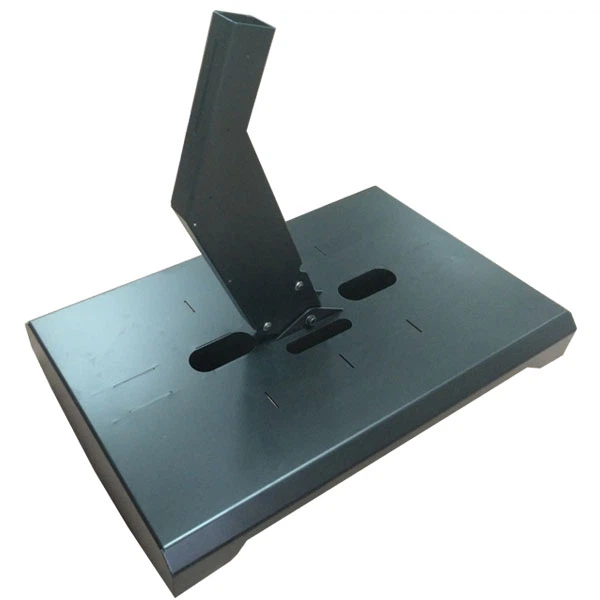
At our company, we understand that every welding project is unique. That's why we offer Customized Fabrication Bending Cutting Welding Aluminum and Customized Carbon Steel Welding and Fabrication with Powder Coating and Assembly Processing. Whether you need a simple repair or a complex custom fabrication, we have the expertise and the equipment to get the job done right.
We also specialize in Custom Aluminium Bracket Welding Aluminium Products High Quality. Our team of experienced welders can work with you to design and fabricate the perfect aluminum products for your needs.

Conclusion
Overhead steel welding is definitely a challenging task, but with the right preparation, techniques, and equipment, you can do it successfully. Remember to take your time, practice, and always prioritize safety. If you have any questions or need help with your welding project, don't hesitate to reach out. We're here to help you with all your steel welding needs. Whether you're a DIY enthusiast or a professional welder, we can provide you with the best solutions and products. Contact us today to start discussing your project and let's work together to achieve the perfect weld.
References
- Welding Handbook, American Welding Society
- Modern Welding Technology, John R. Walker