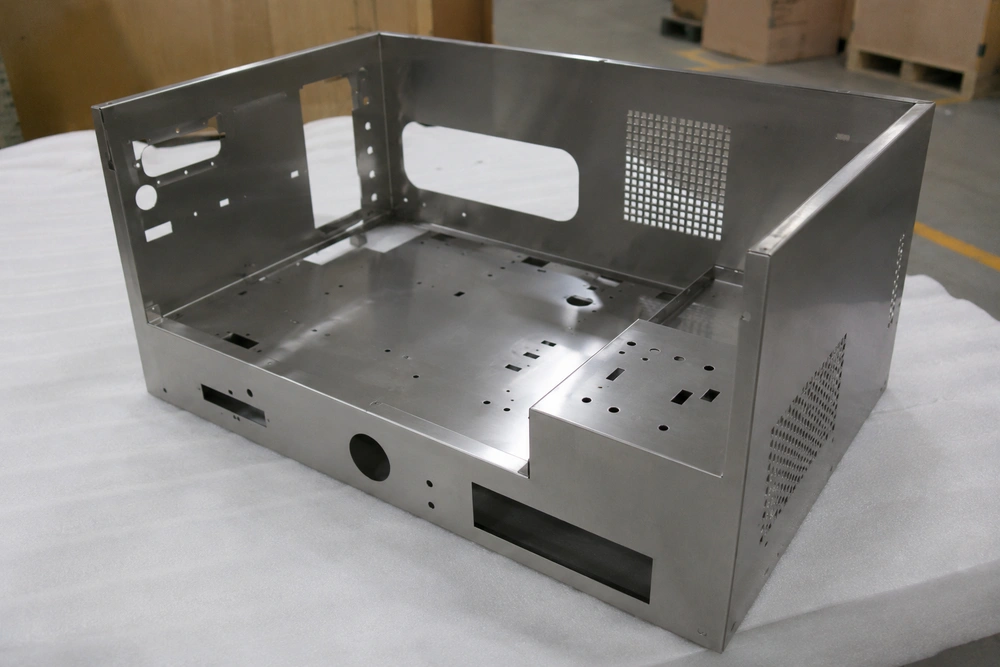

Hey there! As a supplier of metal presses, I've seen firsthand how crucial precision is in the metal stamping industry. Whether you're producing Sheet Metal Stamping Parts for automotive components or High Quantity Sheet Metal Stamping for Various Hardware, getting that precision right can make or break your business. In this blog, I'm gonna share some tips on how to improve the precision of a metal press.
Understanding the Basics of Metal Press Precision
Before we dive into the tips, let's quickly go over what precision in a metal press means. Precision refers to the ability of the press to consistently produce parts within tight tolerances. This includes factors like the accuracy of the part dimensions, the quality of the surface finish, and the repeatability of the stamping process.
There are several factors that can affect the precision of a metal press. These include the quality of the press itself, the tooling used, the material being stamped, and the operating conditions. By understanding these factors, you can take steps to optimize each one and improve the overall precision of your metal press.
Choosing the Right Metal Press
The first step in improving precision is to choose the right metal press for your needs. Not all presses are created equal, and different types of presses are better suited for different applications. For example, a mechanical press is typically used for high-speed stamping operations, while a hydraulic press offers more control and flexibility for complex stamping jobs.
When selecting a press, consider factors such as the tonnage capacity, the stroke length, the speed, and the accuracy. Make sure the press has the necessary features and capabilities to meet your specific requirements. It's also important to choose a reputable manufacturer that offers high-quality presses and good customer support.
Maintaining the Metal Press
Once you've chosen the right press, it's essential to maintain it properly. Regular maintenance can help prevent breakdowns, extend the life of the press, and ensure consistent precision. Here are some maintenance tips:
- Lubrication: Keep all moving parts well-lubricated to reduce friction and wear. Follow the manufacturer's recommendations for the type and frequency of lubrication.
- Cleaning: Regularly clean the press to remove dirt, debris, and metal shavings. This can help prevent damage to the press and improve the quality of the stamped parts.
- Inspection: Conduct regular inspections of the press to check for any signs of wear, damage, or misalignment. Address any issues promptly to prevent further problems.
- Calibration: Periodically calibrate the press to ensure accurate operation. This may involve checking the die height, the parallelism of the platens, and the accuracy of the control systems.
Using High-Quality Tooling
The tooling used in the metal stamping process plays a critical role in precision. High-quality tooling can help ensure accurate part dimensions, consistent surface finish, and long tool life. Here are some tips for using high-quality tooling:
- Choose the Right Tooling Material: Select a tooling material that is appropriate for the type of material being stamped and the stamping operation. Common tooling materials include tool steel, carbide, and ceramic.
- Proper Tool Design: Work with a tool designer or manufacturer to ensure that the tooling is designed correctly for your specific application. This includes factors such as the die geometry, the clearance between the die and the punch, and the use of proper guide pins and bushings.
- Tool Maintenance: Regularly maintain the tooling to keep it in good condition. This may involve sharpening the cutting edges, replacing worn components, and cleaning the tooling after each use.
- Tool Storage: Store the tooling properly when not in use to prevent damage and corrosion. Use a tool storage cabinet or rack to keep the tooling organized and protected.
Controlling the Material
The material being stamped can also have a significant impact on precision. Different materials have different properties, such as hardness, ductility, and thickness, which can affect the stamping process. Here are some tips for controlling the material:


- Material Selection: Choose a material that is appropriate for the application and the stamping process. Consider factors such as the strength, the formability, and the surface finish requirements.
- Material Preparation: Properly prepare the material before stamping. This may involve cutting the material to the correct size and shape, cleaning the surface, and applying a lubricant.
- Material Handling: Handle the material carefully to prevent damage and contamination. Use proper lifting equipment and storage methods to ensure the material remains in good condition.
Optimizing the Operating Conditions
The operating conditions of the metal press can also affect precision. Factors such as the temperature, the humidity, and the vibration can all have an impact on the stamping process. Here are some tips for optimizing the operating conditions:
- Temperature Control: Maintain a consistent temperature in the stamping area to prevent thermal expansion and contraction of the press and the tooling. This can help ensure accurate part dimensions and prevent tooling damage.
- Humidity Control: Control the humidity in the stamping area to prevent corrosion and rust on the press and the tooling. Use a dehumidifier or a humidifier as needed to maintain the appropriate humidity level.
- Vibration Isolation: Isolate the press from external vibrations to prevent them from affecting the stamping process. This may involve using vibration dampers or mounting the press on a vibration-resistant foundation.
Training the Operators
Finally, it's important to train the operators who will be using the metal press. Proper training can help ensure that the press is operated correctly, which can improve precision and reduce the risk of accidents. Here are some training tips:
- Operator Training: Provide comprehensive training to the operators on the operation, maintenance, and safety of the metal press. This should include both theoretical and practical training.
- Skill Development: Encourage the operators to develop their skills and knowledge through ongoing training and professional development opportunities. This can help improve the quality of the stamped parts and increase the efficiency of the stamping process.
- Safety Training: Emphasize the importance of safety in the stamping process. Provide training on safety procedures, the use of personal protective equipment, and the proper handling of the press and the tooling.
Conclusion
Improving the precision of a metal press is a complex process that requires attention to detail and a commitment to quality. By choosing the right press, maintaining it properly, using high-quality tooling, controlling the material, optimizing the operating conditions, and training the operators, you can significantly improve the precision of your metal press and produce high-quality stamped parts.
If you're interested in learning more about our Zinc Plated Steel Metal Stamping Press Custom Made or have any questions about improving the precision of your metal press, please don't hesitate to contact us. We're here to help you achieve your goals and take your metal stamping business to the next level.
References
- ASM Handbook, Volume 14B: Metalworking: Sheet Forming. ASM International, 2013.
- Metal Stamping Handbook. Society of Manufacturing Engineers, 2008.
- Tool and Manufacturing Engineers Handbook, Volume 4: Metal Forming. Society of Manufacturing Engineers, 1984.