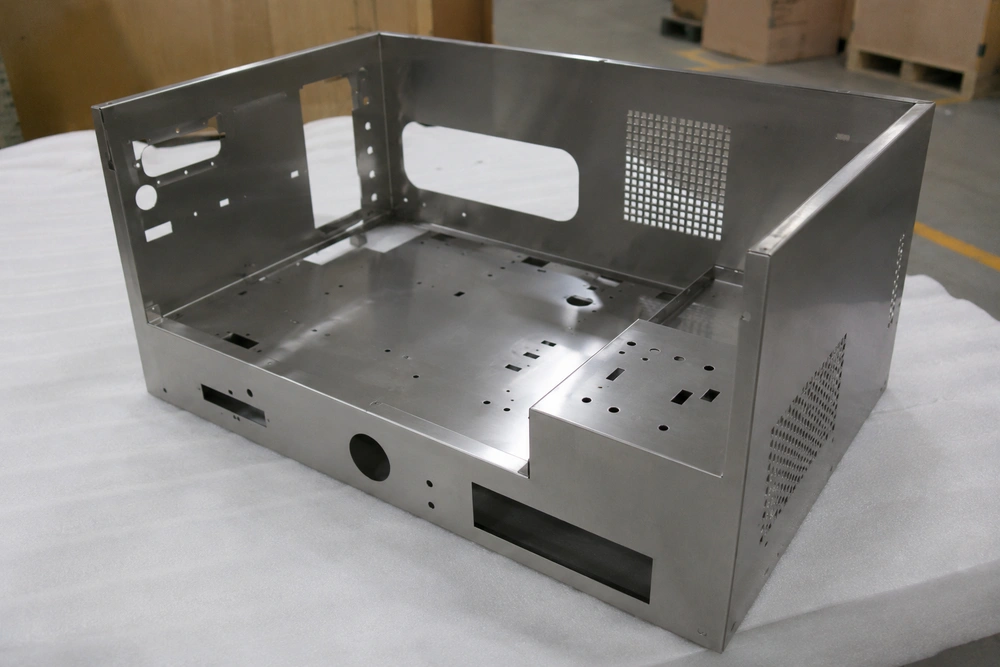

As a supplier of metal parts, I'm constantly on the lookout for new materials that can enhance the quality, performance, and cost - effectiveness of our products. Evaluating the potential of new materials for metal parts is a complex yet crucial process that requires a comprehensive approach. In this blog, I'll share some key steps and considerations that I've found useful in this evaluation.
1. Understanding the Application Requirements
The first step in evaluating new materials is to have a clear understanding of the application for which the metal parts will be used. Different applications have different demands in terms of mechanical properties, chemical resistance, thermal stability, and more.
For example, if the metal parts are going to be used in an automotive engine, they need to have high strength, good heat resistance, and excellent fatigue resistance. On the other hand, if the parts are for a consumer electronics device, they may require good electrical conductivity, corrosion resistance, and the ability to be fabricated into complex shapes.
By identifying the specific requirements of the application, we can narrow down the list of potential materials. For instance, for high - strength applications, we might consider advanced high - strength steels or titanium alloys. For applications requiring good electrical conductivity, copper and its alloys could be top candidates.


2. Assessing Mechanical Properties
Mechanical properties are among the most important factors when evaluating new materials for metal parts. Key mechanical properties include:
- Tensile Strength: This is the maximum stress a material can withstand before breaking under tension. High tensile strength is often required for parts that will be subjected to heavy loads. For example, in the construction of bridges or heavy machinery, materials with high tensile strength are essential to ensure safety and durability.
- Yield Strength: It represents the stress at which a material begins to deform plastically. Understanding the yield strength helps us determine the maximum load a part can handle without permanent deformation.
- Hardness: Hardness is a measure of a material's resistance to indentation, scratching, or wear. In applications where parts are in contact with other surfaces or are subject to abrasion, high - hardness materials are preferred. For example, cutting tools and gears often require materials with high hardness.
- Ductility: Ductility is the ability of a material to deform plastically before fracture. Materials with high ductility can be easily formed into various shapes through processes like bending, stretching, or rolling. This property is crucial for sheet metal fabrication processes.
We can conduct mechanical testing on samples of the new materials to obtain accurate data on these properties. This data can then be compared with the requirements of the specific application to determine if the material is suitable.
3. Analyzing Chemical and Corrosion Resistance
In many applications, metal parts are exposed to various chemicals, moisture, and environmental conditions. Therefore, it's essential to evaluate the chemical and corrosion resistance of new materials.
- Chemical Resistance: Different materials have different levels of resistance to various chemicals. For example, stainless steels are well - known for their excellent resistance to corrosion by many acids, alkalis, and salts. If the metal parts will be used in a chemical processing plant or in a marine environment, materials with high chemical resistance are necessary.
- Corrosion Resistance: Corrosion can significantly reduce the lifespan and performance of metal parts. We can evaluate the corrosion resistance of new materials through methods such as salt spray testing. This test involves exposing the material samples to a salt - laden mist for a specified period and then examining the extent of corrosion.
Materials with good corrosion resistance can reduce maintenance costs and improve the reliability of the metal parts. For example, in outdoor structures or in the automotive industry, corrosion - resistant materials can prevent rusting and ensure the long - term performance of the parts.
4. Considering Thermal Properties
Thermal properties are important, especially for applications where the metal parts are exposed to high or low temperatures.
- Thermal Conductivity: This property determines how well a material can conduct heat. In applications where heat dissipation is crucial, such as in electronic devices or heat exchangers, materials with high thermal conductivity are preferred. For example, aluminum is widely used in heat sinks due to its relatively high thermal conductivity.
- Thermal Expansion: Thermal expansion is the tendency of a material to change in size or volume with temperature changes. In applications where dimensional stability is critical, materials with low thermal expansion coefficients are desirable. For example, in precision instruments or in components that need to fit together precisely at different temperatures, low - expansion materials are used.
We can measure the thermal properties of new materials using specialized equipment and then assess whether they meet the requirements of the application.
5. Evaluating Fabrication Feasibility
Even if a new material has excellent mechanical, chemical, and thermal properties, it may not be suitable if it's difficult or expensive to fabricate into the desired metal parts.
- Machinability: Machinability refers to how easily a material can be cut, drilled, milled, or otherwise machined. Some materials, like free - machining steels, are relatively easy to machine, while others, such as some high - strength alloys, may require specialized tools and techniques.
- Formability: As mentioned earlier, formability is the ability of a material to be formed into different shapes. Materials with good formability can be fabricated into complex geometries through processes like stamping, bending, and deep - drawing.
- Weldability: In many cases, metal parts need to be joined together through welding. The weldability of a material depends on factors such as its chemical composition, melting point, and thermal properties. Materials that can be easily welded can simplify the manufacturing process and reduce costs.
We can work with our manufacturing partners to conduct trial fabrication processes using the new materials. This can help us identify any potential issues and determine if the material can be efficiently fabricated into the required metal parts.
6. Cost - Benefit Analysis
Cost is always a significant factor in the evaluation of new materials for metal parts. We need to consider not only the cost of the raw material but also the costs associated with processing, finishing, and any additional treatments.
- Raw Material Cost: The price of the new material can vary widely depending on factors such as its availability, production process, and market demand. We need to compare the raw material cost of the new material with that of existing materials and assess whether the additional performance benefits justify the higher cost.
- Processing Cost: Some new materials may require more complex or expensive processing techniques. For example, certain advanced alloys may need special heat treatment processes or precision machining operations, which can increase the overall cost.
- Long - Term Cost: In addition to the initial costs, we also need to consider the long - term costs. Materials with better performance and durability may result in lower maintenance and replacement costs over the lifespan of the metal parts.
By conducting a comprehensive cost - benefit analysis, we can determine if the new material is a cost - effective choice for our metal parts.
7. Compatibility with Existing Manufacturing Processes
As a metal parts supplier, we have established manufacturing processes and equipment. It's important to evaluate the compatibility of new materials with these existing processes.
If a new material requires significant modifications to our manufacturing processes or the purchase of new equipment, it may increase the implementation cost and complexity. For example, if our current production line is optimized for a certain type of steel and a new material has different machining characteristics, we may need to adjust our cutting tools, machining parameters, or even invest in new machinery.
We should also consider the availability of skilled labor to work with the new materials. If the new material requires specialized knowledge and skills, we may need to provide additional training to our employees.
8. Market Trends and Future Outlook
Finally, it's important to keep an eye on market trends and the future outlook for the new materials.
- Industry Trends: The metal parts industry is constantly evolving, with new technologies and applications emerging. We need to evaluate whether the new material aligns with the current and future trends in the industry. For example, the increasing demand for lightweight materials in the automotive and aerospace industries has led to the growing popularity of aluminum and carbon fiber - reinforced composites.
- Research and Development: Ongoing research and development in the field of materials science may lead to improvements in the properties and performance of the new materials. We should stay informed about the latest research findings and assess the potential for future enhancements of the materials.
By considering these factors, we can make more informed decisions about the potential of new materials for our metal parts.
In conclusion, evaluating the potential of new materials for metal parts is a multi - faceted process that requires a thorough understanding of the application requirements, assessment of various material properties, consideration of cost - effectiveness, and compatibility with existing manufacturing processes. As a metal parts supplier, we are committed to finding the best materials for our customers to ensure high - quality products.
If you are interested in our metal parts and would like to discuss potential material options for your specific applications, please feel free to contact us for a procurement negotiation. We are more than happy to work with you to find the most suitable solutions.
For more information on our services, you can visit the following links:
Sheet Fabrication Cnc Aluminum Service Suppliers
Stainless Steel Frame Metal Fabrication Laser Cutting Service Sheet Metal Bending Part
Stainless Steel Tube Bending Services
References
- Callister, W. D., & Rethwisch, D. G. (2017). Materials Science and Engineering: An Introduction. Wiley.
- ASM Handbook Committee. (2004). ASM Handbook Volume 1: Properties and Selection: Irons, Steels, and High - Performance Alloys. ASM International.
- Fontana, M. G. (1986). Corrosion Engineering. McGraw - Hill.