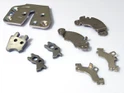
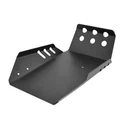
Hey there! As a supplier in the metal engineering field, I'm super stoked to chat with you about how metal engineering ensures the durability of metal products. Durability is like the holy grail in the world of metal products. Whether it's a tiny screw or a massive industrial machine part, we all want them to last as long as possible. So, let's dig into the nitty - gritty of how we make that happen.
First off, material selection is a huge deal. You can't just pick any old metal and expect it to stand the test of time. At our place, we've got a whole library of metals to choose from, each with its own unique properties. For example, stainless steel is a real workhorse. It's corrosion - resistant, which means it won't rust easily even when exposed to moisture or harsh chemicals. This makes it perfect for things like kitchen appliances or outdoor structures.
Then there's aluminum. It's lightweight but still strong. It's great for applications where weight is a concern, like in the aerospace industry. We carefully analyze the requirements of each product to figure out which metal will work best. Sometimes, we even use alloys, which are mixtures of different metals. Alloys can combine the best properties of each metal, like strength and corrosion resistance. For instance, brass is an alloy of copper and zinc. It's got a beautiful golden color and is highly resistant to corrosion, making it popular for decorative items and plumbing fixtures.
Once we've selected the right metal, the next step is forming and shaping. This is where things get really interesting. We use a variety of techniques to turn raw metal into the desired shape. One of the most common methods is forging. Forging involves heating the metal and then using a hammer or a press to shape it. This process actually makes the metal stronger because it aligns the grain structure of the metal. The aligned grains make the metal more resistant to cracking and deformation.
Another important technique is machining. Machining is like carving a sculpture out of metal. We use tools like lathes, mills, and drills to cut and shape the metal with high precision. This is especially important for parts that need to fit together perfectly, like in an engine or a piece of machinery. And when it comes to machining, we offer Professional CNC Engineering for OEM ODM Sheet Metal Products. CNC (Computer Numerical Control) machining allows us to create complex shapes with incredible accuracy. The computer controls the movement of the cutting tools, ensuring that each part is made exactly to the specifications.


Welding is also a crucial part of metal engineering. Welding is used to join two or more pieces of metal together. A good weld is just as strong as the base metal, and it's essential for creating large structures or complex assemblies. We use different types of welding techniques, depending on the metal and the application. For example, TIG (Tungsten Inert Gas) welding is great for thin metals and provides a clean, precise weld. MIG (Metal Inert Gas) welding, on the other hand, is faster and is often used for thicker metals.
Surface treatment is another key factor in ensuring durability. A metal's surface is the first line of defense against the elements. We can apply various coatings to protect the metal from corrosion, wear, and other forms of damage. One common surface treatment is painting. A good coat of paint can act as a barrier between the metal and the environment, preventing moisture and oxygen from reaching the metal.
Another popular surface treatment is galvanizing. Galvanizing involves coating the metal with a layer of zinc. Zinc is more reactive than most metals, so it corrodes first, protecting the underlying metal. This is why you often see galvanized steel used in construction, especially for things like fences and roofing. We also offer 3D CAD Sheet Metal Engineering for Medical Sheet Metal Products. 3D CAD (Computer - Aided Design) allows us to design the surface treatment in a virtual environment, ensuring that it meets all the requirements for durability and functionality.
Quality control is an ongoing process throughout the entire metal engineering process. We don't just make the product and hope for the best. We have a strict set of quality control measures in place. We use a variety of testing methods to ensure that each product meets our high standards. For example, we use non - destructive testing methods like ultrasonic testing and X - ray testing to check for internal defects in the metal. These methods allow us to detect cracks or other flaws without damaging the product.
We also perform mechanical testing to measure the strength and other properties of the metal. Tensile testing, for example, involves pulling a sample of the metal until it breaks. This tells us how much force the metal can withstand before it fails. We also test for hardness, which is a measure of how resistant the metal is to scratching and indentation.
In addition to these technical aspects, we also focus on design. A well - designed product is more likely to be durable. We use ONE STOP Solution Sheet Metal Design OEM ODM Based on Sketch or Idea to create products that are not only functional but also durable. We consider factors like stress distribution, load - bearing capacity, and ease of maintenance when designing a product. For example, we try to avoid sharp corners and edges in a design because they can create stress concentrations, which can lead to cracking.
So, as you can see, metal engineering is a complex and multi - faceted process. From material selection to surface treatment and quality control, every step plays a crucial role in ensuring the durability of metal products. At our company, we're committed to using the latest technologies and best practices to deliver high - quality, durable metal products.
If you're in the market for metal products and want to ensure their durability, we'd love to talk to you. Whether you have a specific design in mind or just an idea, we can work with you to create the perfect metal product. Contact us to start the conversation and let's bring your project to life.
References
- ASM Handbook Committee. (2000). ASM Handbook Volume 1: Properties and Selection: Irons, Steels, and High - Performance Alloys. ASM International.
- Kalpakjian, S., & Schmid, S. R. (2010). Manufacturing Engineering and Technology. Pearson Prentice Hall.
- Dieter, G. E. (1988). Mechanical Metallurgy. McGraw - Hill.