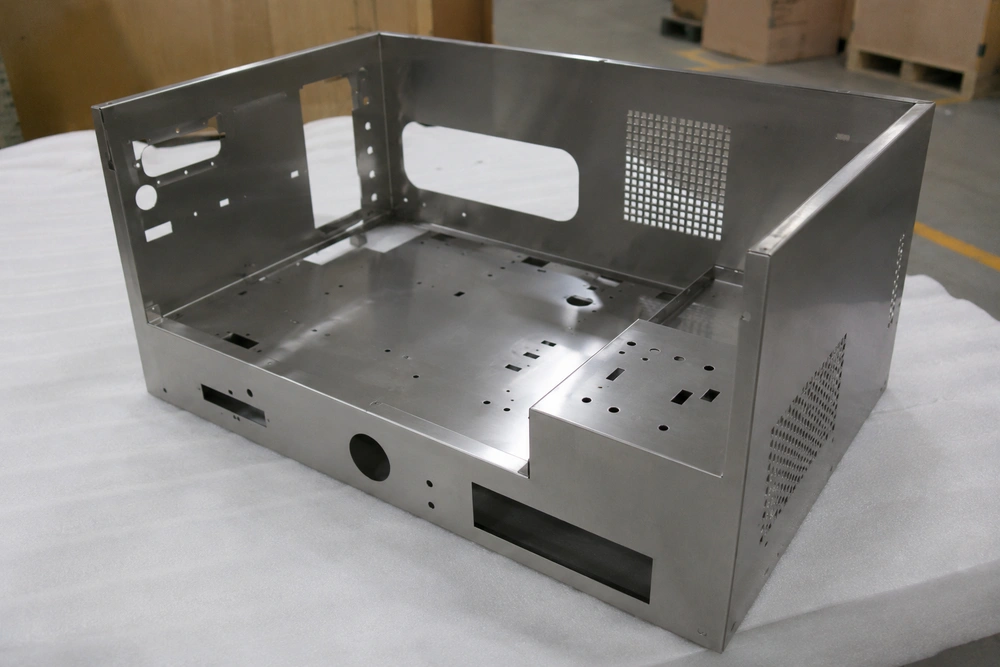

As a supplier of CNC parts, one question that often comes up in discussions with our clients is whether CNC parts are resistant to oil. This is a crucial concern, especially in industries where CNC parts are exposed to various types of oils, such as automotive, manufacturing, and aerospace. In this blog post, I will delve into the topic of oil resistance of CNC parts, exploring the factors that influence it, the materials commonly used, and the implications for different applications.
Understanding Oil Resistance in CNC Parts
Oil resistance refers to the ability of a material to withstand the effects of contact with oil without significant degradation in its properties. When CNC parts are exposed to oil, several things can happen. The oil can cause swelling, softening, or embrittlement of the material, which can lead to dimensional changes, loss of mechanical strength, and ultimately, failure of the part. Therefore, ensuring oil resistance is essential for the long - term performance and reliability of CNC parts.
Factors Affecting Oil Resistance
Material Selection
The choice of material is the most critical factor in determining the oil resistance of CNC parts. Different materials have different chemical compositions and molecular structures, which react differently to oil.
- Metals: Metals are commonly used in CNC machining due to their high strength and durability. Some metals, such as stainless steel, are highly resistant to oil. Stainless steel contains chromium, which forms a passive oxide layer on the surface, protecting it from corrosion and the effects of oil. Aluminum is another widely used metal in CNC parts. While aluminum itself is relatively resistant to many oils, it can be further protected through surface treatments like anodizing. For example, in CNC machining part used for automotive devices, stainless steel and anodized aluminum parts are often used because of their oil - resistant properties.
- Polymers: Polymers also find extensive use in CNC parts. Some polymers, like PTFE (Polytetrafluoroethylene), are extremely oil - resistant. PTFE has a very low surface energy, which makes it difficult for oil to adhere to its surface. On the other hand, some polymers, such as polycarbonate, may be less resistant to certain types of oils and can experience stress cracking when exposed to them.
Surface Treatments
Surface treatments can significantly enhance the oil resistance of CNC parts.


- Coatings: Applying a protective coating to the surface of the part can create a barrier between the material and the oil. For example, epoxy coatings are often used on metal parts to improve their resistance to oil and other chemicals. These coatings can fill in any surface pores or imperfections, preventing the oil from penetrating the material.
- Plating: Electroplating is another common surface treatment. For instance, nickel plating can improve the corrosion and oil resistance of metal parts. The nickel layer acts as a shield, protecting the underlying metal from the corrosive effects of oil.
Operating Conditions
The operating conditions under which the CNC parts are used also play a role in their oil resistance.
- Temperature: Higher temperatures can accelerate the chemical reactions between the oil and the material, reducing the oil resistance of the part. For example, if a CNC part is used in an engine compartment where the temperature is high, the oil may become more aggressive and cause more rapid degradation of the part.
- Oil Type: Different types of oils have different chemical compositions and properties. Mineral oils, synthetic oils, and bio - based oils can all have different effects on CNC parts. For example, some synthetic oils may contain additives that can be more corrosive to certain materials than mineral oils.
Applications and Oil Resistance Requirements
Automotive Industry
In the automotive industry, CNC parts are used in a wide range of applications, from engine components to transmission systems. These parts are constantly exposed to oil, so high oil resistance is essential. For example, CNC machining part used for automotive devices such as pistons, bearings, and gears need to be able to withstand the lubricating oil in the engine without losing their mechanical properties. Stainless steel and anodized aluminum parts are commonly used in these applications because of their excellent oil resistance.
Manufacturing Industry
In the manufacturing industry, CNC parts are used in machinery and equipment that may come into contact with cutting oils, hydraulic oils, and lubricants. For example, in metal machining processes, cutting oils are used to cool and lubricate the cutting tool and the workpiece. CNC parts in these machines need to be resistant to these oils to ensure their long - term performance. Metal parts with protective coatings are often used in these applications to enhance their oil resistance.
Aerospace Industry
The aerospace industry has very strict requirements for the performance and reliability of CNC parts. In aircraft engines and hydraulic systems, parts are exposed to high - performance oils under extreme conditions. Materials with high oil resistance, such as titanium alloys and certain high - performance polymers, are often used. These materials can withstand the high temperatures, pressures, and chemical environments associated with aerospace applications.
Our Company's Approach to Oil - Resistant CNC Parts
As a Metal Machining Product CNC Parts OEM & ODM Service Factory, we take several steps to ensure the oil resistance of our CNC parts.
- Material Selection: We carefully select the materials based on the specific requirements of the application. For applications where high oil resistance is needed, we may choose stainless steel, anodized aluminum, or oil - resistant polymers.
- Surface Treatments: We offer a variety of surface treatments to enhance the oil resistance of our parts. Our coating and plating processes are carefully controlled to ensure a uniform and durable protective layer.
- Quality Control: We have a strict quality control system in place to ensure that our parts meet the required oil resistance standards. We conduct various tests, such as immersion tests in different types of oils, to evaluate the performance of our parts.
Customization and Oil - Resistant CNC Parts
We understand that different clients have different requirements for oil - resistant CNC parts. That's why we offer Custom High precision Aluminum Alloy CNC Machining Aluminium Machining services. Whether you need a small batch of custom - designed parts or a large - scale production run, we can work with you to develop the best solution for your application. Our experienced engineering team can help you select the right materials, surface treatments, and manufacturing processes to ensure that your parts have the optimal oil resistance.
Conclusion
In conclusion, the oil resistance of CNC parts is a complex issue that depends on several factors, including material selection, surface treatments, and operating conditions. As a CNC parts supplier, we are committed to providing high - quality, oil - resistant parts that meet the needs of our clients in various industries. If you are in need of CNC parts with specific oil resistance requirements, we invite you to contact us for a consultation. Our team of experts can help you find the best solution for your application and ensure the long - term performance and reliability of your parts.
References
- ASM Handbook Volume 13A: Corrosion: Fundamentals, Testing, and Protection. ASM International.
- Polymers for High - Performance Applications: A Guide to Materials Selection and Design. Wiley.
- Automotive Materials and Manufacturing Processes. Society of Automotive Engineers (SAE).