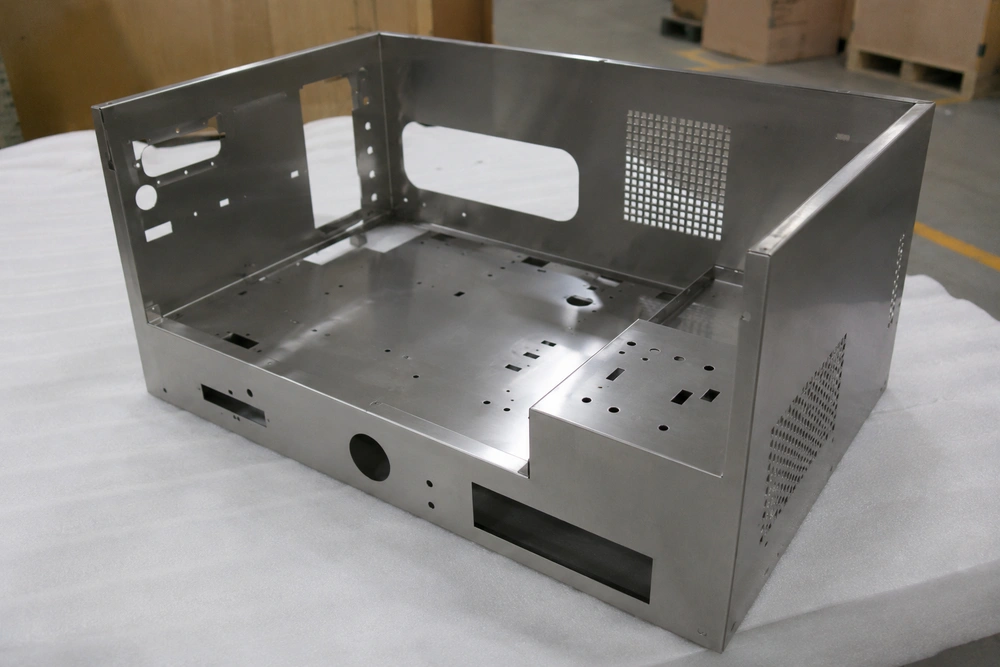

Wear resistance is a crucial factor when it comes to CNC parts, especially in industries where durability and long - term performance are non - negotiable. As a supplier of CNC parts, I've seen firsthand how the wear resistance of these components can make or break a project. In this blog, I'll break down what wear resistance means for CNC parts, why it matters, and how we ensure our parts offer top - notch wear resistance.
Let's start with the basics. Wear resistance refers to a material's ability to withstand the effects of wear, which can be caused by friction, abrasion, erosion, or corrosion. When CNC parts are in use, they often come into contact with other surfaces, and over time, this contact can lead to the gradual removal of material from the part's surface. If a part doesn't have good wear resistance, it will wear out quickly, leading to frequent replacements, increased downtime, and higher costs.
There are several types of wear that CNC parts might encounter. Abrasive wear is one of the most common. It happens when hard particles rub against the surface of the part, scraping away material. For example, in a manufacturing environment where metal chips are flying around, these chips can act as abrasives on the CNC parts used in the machinery. Another type is adhesive wear. This occurs when two surfaces stick together briefly and then separate, pulling material from one surface to the other. It's like when you try to pull two pieces of sticky tape apart, and some of the tape residue gets left behind.
Corrosive wear is also a significant concern, especially for parts used in harsh environments. When a part is exposed to chemicals or moisture, it can start to corrode, which weakens the material and makes it more prone to wear. Erosive wear, on the other hand, is caused by the impact of a fluid or gas containing solid particles. Think of sandblasting, where tiny sand particles are propelled at high speed to clean a surface. In a similar way, high - speed fluid or gas with particles can wear down CNC parts.
Now, you might be wondering why wear resistance is such a big deal for CNC parts. Well, in industries like automotive, aerospace, and manufacturing, the reliability of machinery is of utmost importance. For instance, CNC machining part used for automotive devices need to last a long time. If the parts in an engine wear out quickly, it can lead to engine failure, which is not only expensive to fix but also dangerous. In the aerospace industry, where safety is the top priority, any wear on critical CNC parts can have catastrophic consequences.
As a CNC parts supplier, we take several steps to ensure our parts have excellent wear resistance. First, we carefully select the materials. Different materials have different levels of wear resistance. For example, stainless steel is known for its good corrosion resistance, making it a great choice for parts that will be exposed to moisture or chemicals. Hardened steels are often used when high - strength and wear resistance are required. We also offer Custom High precision Aluminum Alloy CNC Machining Aluminium Machining. Aluminum alloys can be treated to improve their wear resistance, and they are lightweight, which is beneficial in many applications.
Another important aspect is the machining process itself. The way we machine the parts can have a significant impact on their wear resistance. By using high - precision machining techniques, we can ensure that the surface finish of the parts is smooth. A smooth surface reduces friction, which in turn reduces wear. We also pay close attention to the tolerances during machining. Precise tolerances ensure that the parts fit together correctly, reducing the chances of excessive wear due to misalignment.
Heat treatment is another tool in our arsenal. By subjecting the parts to specific heat treatment processes, we can change the microstructure of the material, making it harder and more wear - resistant. For example, quenching and tempering can increase the hardness of steel parts, improving their ability to withstand wear.


In addition to these measures, we also offer Metal Machining Product CNC Parts OEM & ODM Service Factory services. This means that we can work closely with our customers to understand their specific requirements and develop custom - made CNC parts with the right level of wear resistance. Whether it's a small - scale project or a large - scale production run, we have the expertise and resources to deliver high - quality parts.
If you're in the market for CNC parts with excellent wear resistance, we'd love to hear from you. Whether you're in the automotive, aerospace, or any other industry that requires reliable CNC parts, we can provide you with the solutions you need. Don't hesitate to reach out and start a conversation about your project. We're here to help you find the perfect CNC parts that will stand the test of time.
References
- Callister, W. D., & Rethwisch, D. G. (2010). Materials Science and Engineering: An Introduction. Wiley.
- ASM Handbook Committee. (2000). ASM Handbook, Volume 18: Friction, Lubrication, and Wear Technology. ASM International.