
Hey there! As a supplier of CNC parts, I often get asked about the machinability of these parts. So, I thought I'd take a moment to break it down for you.
First off, let's talk about what machinability actually means. In simple terms, machinability refers to how easily a material can be machined using various processes like cutting, drilling, milling, and turning. When it comes to CNC parts, good machinability is super important. It can save time, reduce costs, and result in high - quality finished products.
One of the key factors that affect the machinability of CNC parts is the material itself. Different materials have different properties that can either make them a breeze to machine or a real headache. For example, aluminum is a popular choice for CNC machining, and it has excellent machinability. It cuts easily, produces good surface finishes, and doesn't wear down the cutting tools too quickly. That's why you'll often see Custom High precision Aluminum Alloy CNC Machining Aluminium Machining being used in a wide range of applications. Aluminum alloys are lightweight, corrosion - resistant, and can be machined at high speeds, which is great for mass - producing parts.
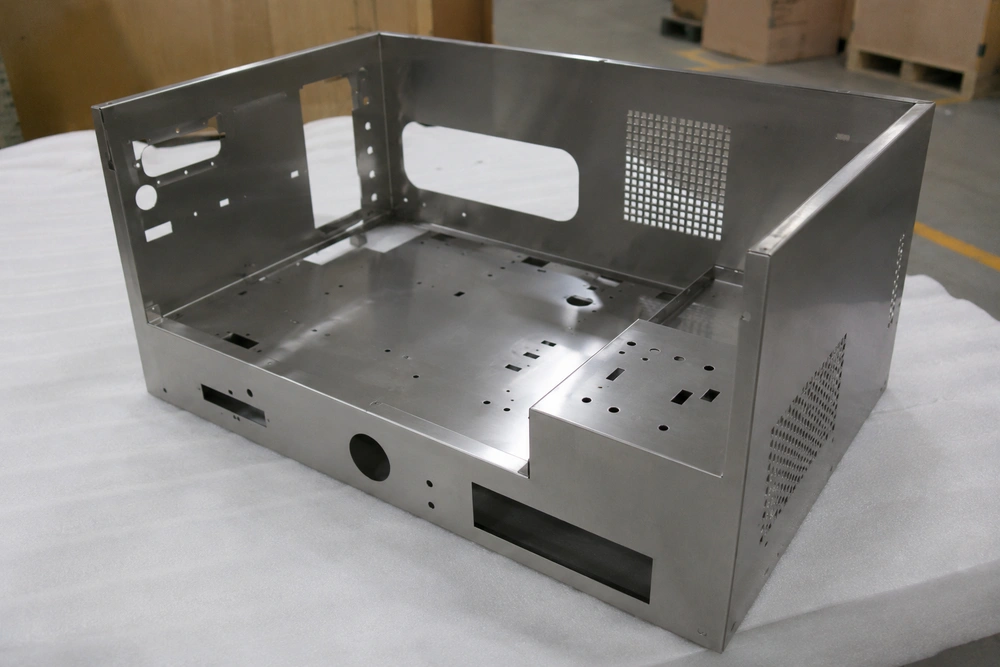
On the other hand, materials like stainless steel can be a bit more challenging to machine. Stainless steel is strong and durable, but it also has a tendency to work - harden during machining. This means that as you're cutting it, the material around the cutting area can become harder, making it more difficult to continue the machining process. Special cutting tools and techniques are often required when working with stainless steel. However, despite these challenges, Custom Stainless Steel Aluminium CNC Machine Parts for Automotive are still in high demand, especially in the automotive and aerospace industries, where strength and corrosion resistance are crucial.
Another factor that plays a big role in machinability is the cutting tool. The right cutting tool can make all the difference when it comes to machining CNC parts. You need to choose a tool that is appropriate for the material you're working with. For example, carbide cutting tools are often used for machining harder materials like stainless steel because they are very hard and can withstand high temperatures. High - speed steel (HSS) tools, on the other hand, are more commonly used for softer materials like aluminum. The geometry of the cutting tool also matters. Tools with the right rake angle, clearance angle, and cutting edge radius can improve the cutting performance and reduce the amount of force required during machining.
The machining parameters also have a significant impact on machinability. Things like cutting speed, feed rate, and depth of cut need to be carefully adjusted depending on the material and the cutting tool. If the cutting speed is too high, the cutting tool can overheat and wear out quickly. If the feed rate is too low, it can take a long time to machine the part, increasing the cost. Finding the right balance is essential for achieving good machinability.
Let's take a look at some real - world examples. In the automotive industry, CNC machining part used for automotive devices need to be machined with high precision. Engine components, transmission parts, and suspension components all require tight tolerances and excellent surface finishes. The machinability of the materials used for these parts is crucial to ensure that they can be produced efficiently and to the required quality standards. For example, the pistons in an engine are often made from aluminum alloys because of their good machinability and lightweight properties. This allows for high - speed machining and helps to improve the overall performance of the engine.
In the aerospace industry, where parts need to be both lightweight and strong, materials like titanium and its alloys are commonly used. Titanium has relatively poor machinability compared to aluminum. It has a high chemical reactivity, which can cause the cutting tool to wear out quickly. Also, it has a low thermal conductivity, which means that heat generated during machining can build up in the cutting area, leading to tool failure. However, with the right cutting tools and machining strategies, it is still possible to machine titanium parts to the high standards required in the aerospace industry.
When it comes to our company, we've got a lot of experience in dealing with different materials and their machinability. We've got a team of experts who know how to select the right materials, cutting tools, and machining parameters to ensure that we can produce high - quality CNC parts. We understand that every customer's needs are different, and we're always willing to work closely with them to find the best solutions.
If you're in the market for CNC parts, whether it's for automotive, aerospace, or any other industry, we'd love to hear from you. We can provide you with custom - made parts that meet your specific requirements. Whether you need a small batch of prototype parts or a large - scale production run, we've got the capabilities to handle it.
So, if you're interested in discussing your CNC part needs, don't hesitate to reach out. We're here to help you get the best - quality parts at a competitive price. Let's work together to bring your projects to life!


References
- "Machining Technology: An Introduction" by David A. Stephenson and John P. Agapiou
- "Manufacturing Engineering & Technology" by Serope Kalpakjian and Steven R. Schmid