


In the dynamic realm of steel fabrication, the inspection process stands as a cornerstone for ensuring the production of high - quality steel products. As a seasoned steel fabrication supplier, I am well - versed in the intricate steps that make up this crucial process. In this blog, I will delve into the details of the inspection process in steel fabrication, highlighting its importance and the various stages involved.
Pre - Fabrication Inspection
Before any fabrication work begins, a comprehensive pre - fabrication inspection is carried out. This initial step is vital as it sets the foundation for the entire fabrication process.
Material Inspection
The first aspect of pre - fabrication inspection is the examination of raw materials. Steel is sourced from reliable suppliers, but it is essential to conduct our own checks. We inspect the steel for any surface defects such as cracks, rust, or inclusions. The chemical composition of the steel is also verified to ensure it meets the required standards. For instance, if the steel is intended for a high - strength application, it must have the appropriate carbon, manganese, and other alloying element content. This verification is often done through laboratory testing, where samples are taken and analyzed using advanced techniques.
Drawing and Specification Review
Another critical part of pre - fabrication inspection is the review of engineering drawings and specifications. We carefully study the blueprints to understand the exact requirements of the project. This includes dimensions, tolerances, and any special features. Any discrepancies or ambiguities in the drawings are immediately addressed with the client or the design team. Ensuring that we have a clear understanding of the project requirements at this stage helps prevent costly errors later in the fabrication process.
In - Process Inspection
Once the pre - fabrication inspection is completed and fabrication work commences, in - process inspection becomes the focus. This stage involves continuous monitoring of the fabrication process to catch any issues early.
Cutting and Shaping Inspection
During the cutting and shaping of steel, we regularly inspect the work. When using methods like laser cutting or plasma cutting, we check the cut edges for smoothness and accuracy. The dimensions of the cut pieces are measured to ensure they are within the specified tolerances. For example, if a part is supposed to have a length of 100 mm with a tolerance of ±0.5 mm, we use precision measuring tools such as calipers and micrometers to verify the actual length. Any deviations are corrected immediately to avoid further problems in the assembly process.
Welding Inspection
Welding is a crucial operation in steel fabrication, and it requires strict inspection. We check the quality of the welds for defects such as porosity, lack of fusion, or excessive spatter. Visual inspection is the first step, where we look for any visible signs of poor welding. In addition to visual inspection, we also use non - destructive testing (NDT) methods such as ultrasonic testing (UT) and magnetic particle testing (MT). UT can detect internal defects in the weld, while MT is effective for detecting surface and near - surface defects. Welders are also required to follow strict welding procedures, and we ensure that they adhere to these procedures during the welding process.
Assembly Inspection
As the individual steel components are assembled, we conduct assembly inspections. This involves checking the alignment of parts, the fit of joints, and the overall integrity of the assembled structure. We use fixtures and jigs to ensure proper alignment during assembly. Any misaligned parts are adjusted, and any loose joints are tightened. This stage is crucial for ensuring that the final product functions as intended and meets the required safety standards.
Post - Fabrication Inspection
After the fabrication process is complete, a final post - fabrication inspection is carried out. This is the last chance to identify and correct any issues before the product is delivered to the client.
Final Dimensional Inspection
We conduct a thorough dimensional inspection of the finished product. All dimensions are measured again to ensure they are within the specified tolerances. This includes both linear dimensions and angular measurements. In addition to using traditional measuring tools, we may also use coordinate measuring machines (CMMs) for highly accurate measurements. CMMs can provide detailed 3D measurements of the product, allowing us to detect even the slightest deviations.
Surface Finish Inspection
The surface finish of the steel product is also inspected. We check for any scratches, dents, or unevenness on the surface. A smooth and uniform surface finish is not only aesthetically pleasing but also important for the product's performance and durability. If the product requires a specific surface treatment such as painting or galvanizing, we ensure that the treatment is applied correctly and meets the required standards.
Functional Testing
In some cases, functional testing is also carried out as part of the post - fabrication inspection. For example, if the fabricated steel product is a machine part, we test its functionality to ensure it operates as expected. This may involve running the part through a series of tests under simulated operating conditions. Any issues identified during functional testing are addressed before the product is shipped.

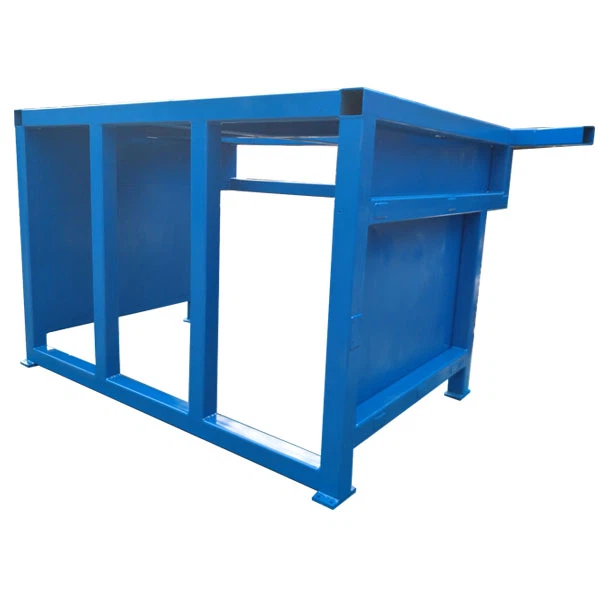
The Importance of Inspection in Steel Fabrication
The inspection process in steel fabrication is of utmost importance for several reasons. Firstly, it ensures the safety of the end - users. Steel products are often used in critical applications such as construction, automotive, and aerospace. A faulty steel component can lead to serious accidents and endanger lives. By conducting thorough inspections at every stage of the fabrication process, we can minimize the risk of such failures.
Secondly, inspection helps maintain the quality of the products. High - quality steel products are more reliable and have a longer lifespan. This not only satisfies the clients but also enhances our reputation as a steel fabrication supplier. A good reputation can lead to more business opportunities and long - term partnerships with clients.
Finally, inspection helps in cost - control. By detecting and correcting issues early in the fabrication process, we can avoid costly rework and scrap. This reduces the overall production cost and makes our products more competitive in the market.
OEM Fabrication Custom Metal Mild Steel Fabrication Design
If you are looking for OEM Fabrication Custom Metal Mild Steel Fabrication Design, we have the expertise and experience to meet your needs. Our team of skilled engineers and fabricators can work closely with you to design and manufacture custom - made steel products that precisely match your requirements.
Customized Precision Welding Fabricated Steel High Quality
For Customized Precision Welding Fabricated Steel High Quality, we use state - of - the - art welding techniques and equipment. Our welders are highly trained and certified, ensuring that every weld is of the highest quality. We pay close attention to detail in the welding process, from the selection of the right welding consumables to the control of welding parameters.
Strong MIG TIG Welding Structural Steel Fabricators Customized
When it comes to Strong MIG TIG Welding Structural Steel Fabricators Customized, we are the experts. We have a proven track record of delivering high - strength structural steel fabrications. Our MIG and TIG welding processes are carefully optimized to produce strong and durable welds. Whether you need a small structural component or a large - scale steel structure, we can provide customized solutions.
Contact Us for Procurement and洽谈
If you are interested in our steel fabrication services, we invite you to contact us for procurement discussions. Our team is ready to assist you with any questions you may have and to provide you with detailed quotes. We are committed to providing high - quality steel products at competitive prices and excellent customer service.
References
- American Welding Society (AWS) Standards
- ASTM International Standards for Steel
- ISO 9001:2015 Quality Management System Standards


