
Electrical conductivity is a fundamental property that plays a crucial role in various applications of OEM CNC parts. As a leading supplier of OEM CNC parts, I understand the significance of electrical conductivity in different industries and how it impacts the performance of our products. In this blog post, I will delve into the concept of electrical conductivity, its importance in OEM CNC parts, and how it relates to our offerings.
Understanding Electrical Conductivity
Electrical conductivity refers to the ability of a material to conduct an electric current. It is measured in siemens per meter (S/m) and is the reciprocal of electrical resistivity. Materials with high electrical conductivity allow electrons to move freely through them, while those with low conductivity impede the flow of electrons. Metals are generally good conductors of electricity due to the presence of free electrons in their atomic structure. For example, copper and aluminum are widely used in electrical applications because of their high electrical conductivity.
The electrical conductivity of a material depends on several factors, including its atomic structure, temperature, and the presence of impurities. In metals, the free electrons are responsible for conducting electricity. These electrons are not bound to any particular atom and can move freely throughout the material. When an electric field is applied, the free electrons experience a force and start to move in a particular direction, creating an electric current.
Temperature also has a significant effect on electrical conductivity. In general, the electrical conductivity of metals decreases with increasing temperature. This is because as the temperature rises, the atoms in the metal vibrate more vigorously, which disrupts the flow of free electrons. Impurities in a material can also reduce its electrical conductivity. These impurities can scatter the free electrons, making it more difficult for them to move through the material.
Importance of Electrical Conductivity in OEM CNC Parts
In the context of OEM CNC parts, electrical conductivity is of utmost importance in many applications. For instance, in the electronics industry, CNC parts are used in the manufacturing of printed circuit boards (PCBs), connectors, and other electronic components. These parts need to have high electrical conductivity to ensure efficient transmission of electrical signals. A low - conductivity part can lead to signal loss, increased resistance, and ultimately, poor performance of the electronic device.


In the automotive industry, electrical conductivity is crucial for parts used in electrical systems, such as sensors, actuators, and wiring harnesses. CNC machining part used for automotive devices must be able to conduct electricity reliably to ensure the proper functioning of various automotive features, including engine control, lighting, and entertainment systems. Any issues with electrical conductivity in these parts can lead to malfunctions, which can compromise the safety and performance of the vehicle.
In power generation and distribution, OEM CNC parts are used in transformers, switchgear, and other electrical equipment. High - conductivity parts are essential to minimize power losses during the transmission and distribution of electricity. By using parts with good electrical conductivity, energy efficiency can be improved, and the overall cost of power generation and distribution can be reduced.
Electrical Conductivity of Different Materials Used in OEM CNC Parts
As an OEM CNC parts supplier, we work with a variety of materials, each with its own electrical conductivity characteristics.
Copper
Copper is one of the most commonly used materials in CNC parts due to its excellent electrical conductivity. It has a conductivity of approximately 5.96×10⁷ S/m at room temperature. Copper is also highly ductile and malleable, which makes it easy to machine into complex shapes. These properties make copper an ideal choice for applications where high - quality electrical conduction is required, such as in electrical wiring, PCBs, and connectors. Our Metal Machining Product CNC Parts OEM & ODM Service Factory offers a wide range of copper - based CNC parts that are precision - machined to meet the specific requirements of our customers.
Aluminum
Aluminum is another popular material for OEM CNC parts. It has a lower electrical conductivity than copper, with a value of about 3.77×10⁷ S/m at room temperature. However, aluminum is much lighter than copper, which makes it a preferred choice in applications where weight is a critical factor, such as in aerospace and automotive industries. Aluminum is also corrosion - resistant, which adds to its durability. We provide Custom Stainless Steel Aluminium CNC Machine Parts for Automotive that are made from high - quality aluminum and are designed to offer a good balance between electrical conductivity and weight.
Stainless Steel
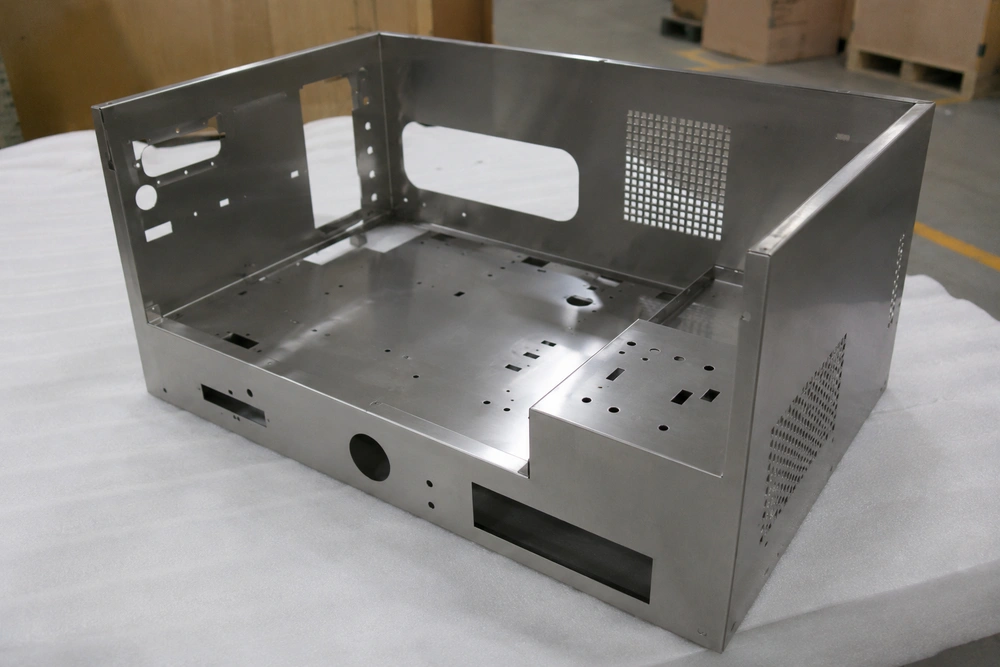
Stainless steel is known for its strength, corrosion resistance, and aesthetic appeal. However, its electrical conductivity is relatively low compared to copper and aluminum, typically in the range of 1.4×10⁶ S/m. Despite its lower conductivity, stainless steel is used in CNC parts where its other properties, such as strength and corrosion resistance, are more important. For example, in some automotive and industrial applications, stainless - steel parts are used in electrical enclosures and structural components.
Measuring and Controlling Electrical Conductivity in OEM CNC Parts
As a supplier, we take great care in ensuring that the electrical conductivity of our OEM CNC parts meets the required specifications. We use advanced testing equipment to measure the electrical conductivity of the materials before and after the machining process. This allows us to verify that the parts have the desired electrical properties.
During the manufacturing process, we also control various factors to maintain the electrical conductivity of the parts. For example, we carefully select the raw materials to ensure that they have the appropriate purity and composition. We also control the machining parameters, such as cutting speed, feed rate, and depth of cut, to minimize any damage to the material that could affect its electrical conductivity.
In addition, we offer surface treatment options for our CNC parts to enhance their electrical conductivity. For example, plating the parts with a thin layer of a highly conductive metal, such as gold or silver, can improve their electrical performance. This is particularly useful in applications where a high - quality electrical connection is required.
Applications and Future Trends
The applications of OEM CNC parts with specific electrical conductivity requirements are constantly evolving. In the emerging field of electric vehicles (EVs), the demand for high - conductivity CNC parts is increasing rapidly. EVs rely on complex electrical systems for battery management, motor control, and charging. Our parts are being used in these critical systems to ensure efficient power transfer and reliable operation.
Another area of growth is in the Internet of Things (IoT). IoT devices require small, precision - machined parts with good electrical conductivity to communicate wirelessly and process data. As the IoT market continues to expand, the need for high - quality OEM CNC parts with tailored electrical conductivity will only increase.
Looking ahead, we are investing in research and development to explore new materials and manufacturing techniques that can further improve the electrical conductivity of our CNC parts. We are also working closely with our customers to understand their future needs and develop customized solutions that meet their specific requirements.
Conclusion
In conclusion, electrical conductivity is a vital property of OEM CNC parts that has a significant impact on their performance in various industries. As a supplier, we are committed to providing high - quality CNC parts with the right electrical conductivity characteristics. Whether it's for electronics, automotive, power generation, or other applications, our parts are designed to meet the most demanding requirements.
If you are in need of OEM CNC parts with specific electrical conductivity requirements, we invite you to contact us for a detailed discussion. Our team of experts is ready to assist you in finding the best solutions for your projects. We look forward to the opportunity to work with you and contribute to the success of your business.
References
- "Electrical Conductivity of Metals." Engineering ToolBox.
- "Materials Science and Engineering: An Introduction" by William D. Callister Jr. and David G. Rethwisch.
- Industry reports on the electronics, automotive, and power generation sectors.