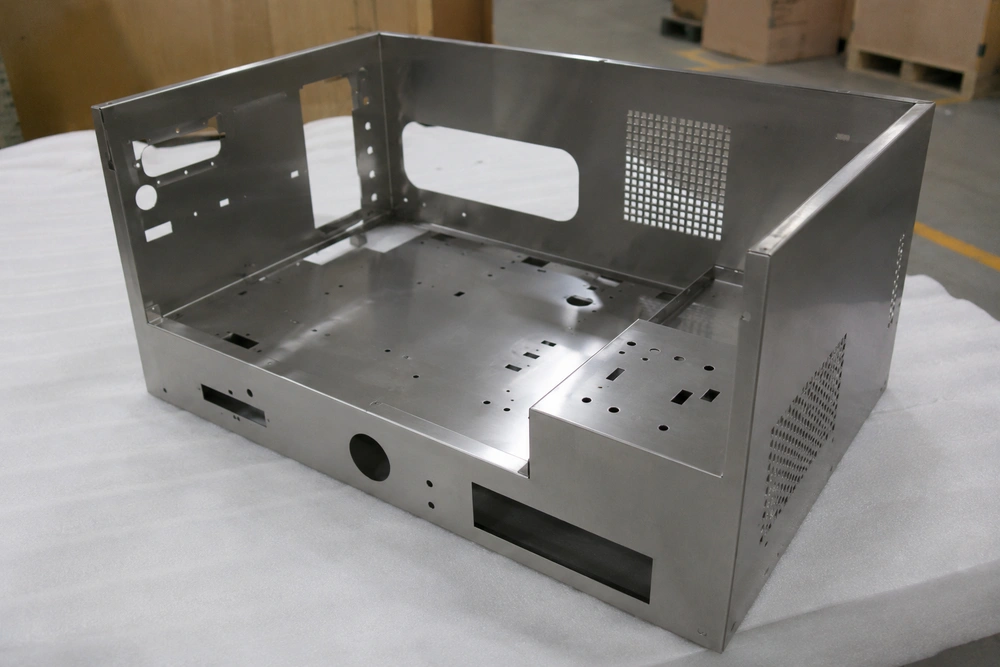

As a supplier in the Pipe Welding industry, I've seen firsthand the importance of having the right skills when it comes to pipe welding. It's not just about joining two pieces of metal; it's a complex process that requires a combination of technical know - how, practical experience, and a keen eye for detail. In this blog, I'll break down the key skills needed for pipe welding.
Technical Knowledge
First off, you gotta have a solid understanding of welding processes. There are several methods for pipe welding, like Shielded Metal Arc Welding (SMAW), Gas Tungsten Arc Welding (GTAW), and Gas Metal Arc Welding (GMAW). Each process has its own set of advantages and disadvantages, and knowing which one to use in different situations is crucial.
For example, SMAW is great for outdoor work and in dirty or windy conditions. It's relatively simple and doesn't require a lot of fancy equipment. You can find many welders using SMAW when they're working on pipelines out in the open. On the other hand, GTAW provides high - quality welds with excellent control. It's often used for precision work, especially on pipes that require a clean and strong weld, such as in high - pressure or high - temperature systems.
Understanding the properties of different metals is also a must - have skill. When you're welding pipes, you're likely to encounter various types of metals, like steel, stainless steel, and aluminum. Each metal has a different melting point, thermal conductivity, and coefficient of expansion. If you don't take these characteristics into account, you could end up with a weld that's full of cracks or other defects. For instance, aluminum has a lower melting point and higher thermal conductivity compared to steel. So, when welding aluminum pipes, you need to adjust your welding parameters accordingly to ensure a proper bond.
Another important aspect of technical knowledge is reading and interpreting blueprints. Blueprints are like maps for pipe welders. They show the layout of the pipes, the dimensions, the type of joints, and any special requirements. Being able to read these blueprints accurately means you can position the pipes correctly, choose the right welding techniques, and make sure the final product meets the specifications.
Manual Dexterity
Pipe welding is a hands - on job, and having good manual dexterity is essential. You need to be able to hold the welding torch or electrode steady while making precise movements. A small shake or an uneven movement can lead to a bad weld.
Welders often have to work in tight spaces, both vertically and horizontally. For vertical welding, you need to have the strength and control in your hands and arms to pull or push the weld bead upwards without it dripping or sagging. Horizontal welding presents its own challenges, like making sure the weld has a consistent shape and penetration across the joint.
Practicing on scrap pieces of metal can really help improve your manual dexterity. You can try different welding positions and techniques on these scraps to get a feel for how the molten metal behaves and how to control it.
Problem - Solving Skills
In the real world of pipe welding, things don't always go according to plan. You might encounter issues like poor fit - up of the pipes, unexpected contaminants on the metal surface, or equipment malfunctions. That's where your problem - solving skills come in handy.
Let's say you're working on a project where the pipes don't fit together perfectly. You need to think on your feet and come up with a solution. Maybe you can adjust the bevel angle of the pipes or use shims to fill the gaps. If you notice contaminants on the pipe surface, you have to figure out the best way to clean them without damaging the metal. And when your welding equipment breaks down, you should be able to troubleshoot the problem quickly and either fix it yourself or know when to call in a technician.
Safety Skills
Safety is the top priority in pipe welding. You're dealing with high - temperature metals, electrical currents, and potentially harmful fumes. So, you need to have a good understanding of safety procedures and always follow them.
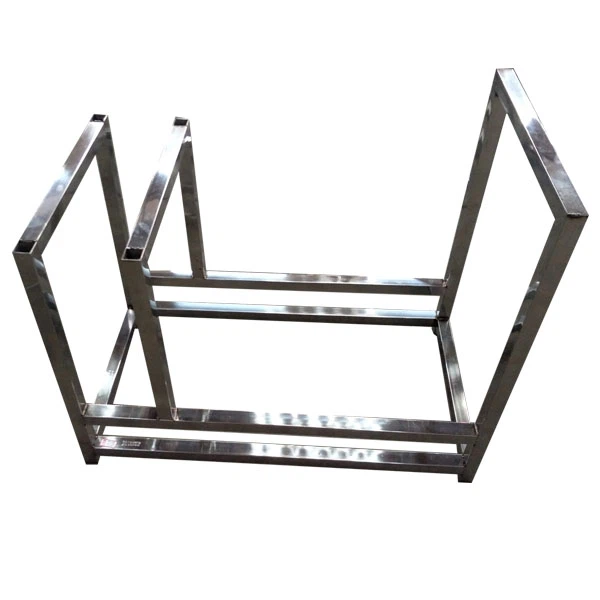

Wearing the right safety gear is a no - brainer. This includes a welding helmet to protect your face and eyes from sparks and ultraviolet light, welding gloves to protect your hands from burns, and fire - resistant clothing to prevent burns from molten metal. You also need to have proper ventilation in your workspace to get rid of the welding fumes, which can be toxic if inhaled.
Before starting any welding job, you should conduct a safety check. Make sure your equipment is in good working condition, the area is clear of any flammable materials, and there are fire extinguishers nearby. And always be aware of your surroundings while you're welding.
Quality Control Skills
As a pipe welding supplier, we know how important it is to deliver high - quality products. Quality control skills are essential for ensuring that the welds meet the required standards.
Inspecting the welds visually is the first step. You should look for any obvious defects, like cracks, porosity, or lack of fusion. You also need to measure the weld bead size and shape to make sure they're within the specified tolerances.
In addition to visual inspection, you might need to use non - destructive testing methods, such as ultrasonic testing or X - ray testing. These methods can detect internal defects that aren't visible to the naked eye. By having a good grip on quality control skills, you can ensure that the pipes you weld are safe and reliable for their intended use.
Working with Our Services
At our company, we pride ourselves on having a team of welders who possess all these skills and more. We offer a wide range of pipe welding services, including Custom Steel Pipework Fabrications for Display Rack, Custom Precision Steel Pipe Bending Welding for Trolley, and Direct Factory Custom Tube Processing Steel Pipe Fabrication.
Whether you're in need of display racks, trolleys, or custom - made tubes, we've got you covered. Our experienced welders are committed to using the best techniques and highest quality materials to ensure your project is a success.
If you're interested in our pipe welding services, we'd love to hear from you. Reach out to us to discuss your specific requirements and start the process of bringing your project to life.
References
- Oberg, E., Jones, F. D., Horton, H. L., & Ryffel, H. H. (2016). Machinery's Handbook. Industrial Press.
- Welding Handbook Committee. (2019). Welding Handbook. American Welding Society.
- Lancaster, J. F. (2017). The science of welding. Butterworth - Heinemann.