


Quality control in steel forming is a critical aspect of ensuring the production of high - quality steel products. As a steel forming supplier, we understand that every step in the steel forming process must be carefully monitored and controlled to meet the diverse needs and strict standards of our customers.
Raw Material Inspection
The quality control journey begins with the inspection of raw materials. We source our steel from trusted suppliers who adhere to international quality standards. When the raw steel arrives at our facility, a comprehensive inspection is carried out. We check the chemical composition of the steel using advanced analytical equipment. For example, spectrometry is used to accurately determine the percentages of elements such as carbon, manganese, sulfur, and phosphorus. These elements have a significant impact on the mechanical properties of the steel. A high carbon content can increase the strength of the steel but may also reduce its ductility. By ensuring that the chemical composition is within the specified range, we can guarantee the performance of the final product.
In addition to chemical analysis, we also conduct physical inspections of the raw steel. We check for surface defects such as cracks, scratches, and rust. These defects can not only affect the appearance of the final product but also weaken its structural integrity. Any raw materials that do not meet our quality standards are immediately rejected. This strict raw material inspection process forms the foundation of our quality control system, ensuring that only the best - quality steel enters our forming processes.
Forming Process Monitoring
Once the raw materials pass the inspection, they enter the steel forming process. There are various steel forming methods, including forging, rolling, and extrusion, and each method requires specific quality control measures.
Forging
In forging, we closely monitor the temperature of the steel. The forging temperature is crucial as it affects the grain structure and mechanical properties of the steel. If the temperature is too high, the steel may become over - heated, leading to grain growth and a reduction in strength. On the other hand, if the temperature is too low, the steel may not deform properly, resulting in internal stresses and potential cracking. We use infrared thermometers and temperature sensors to continuously monitor the forging temperature and make real - time adjustments to ensure it remains within the optimal range.
We also control the forging force and the number of blows. The forging force must be sufficient to shape the steel into the desired form, but excessive force can cause damage to the die or the steel itself. By carefully controlling these parameters, we can produce forged steel parts with consistent quality.
Rolling
During the rolling process, we focus on the thickness and flatness of the steel. We use precision thickness gauges and flatness measuring devices to monitor these parameters at regular intervals. Any deviation from the specified thickness or flatness can affect the performance of the final product. For example, in the production of steel sheets for automotive applications, precise thickness and flatness are essential to ensure proper fit and function.
We also monitor the rolling speed and the reduction ratio. The rolling speed affects the surface finish of the steel, while the reduction ratio determines the degree of deformation and the resulting mechanical properties. By maintaining optimal rolling conditions, we can produce high - quality rolled steel products.
Extrusion
In extrusion, we pay close attention to the extrusion ratio and the die design. The extrusion ratio, which is the ratio of the cross - sectional area of the billet to the cross - sectional area of the extruded product, affects the mechanical properties and the surface quality of the extruded steel. A high extrusion ratio can lead to better mechanical properties but may also increase the risk of surface defects.
The die design is also critical in extrusion. A well - designed die can ensure uniform flow of the steel and prevent defects such as cracks and voids. We use advanced computer - aided design (CAD) and simulation software to optimize the die design and ensure its accuracy. During the extrusion process, we continuously monitor the pressure and the extrusion speed to ensure stable operation.
Welding Quality Control
Welding is often an important part of the steel forming process, especially in the fabrication of complex steel structures. We offer services such as Strong MIG TIG Welding Structural Steel Fabricators Customized. To ensure high - quality welding, we follow strict welding procedures.
First, we carefully select the welding electrodes and filler materials. The choice of electrodes and filler materials depends on the type of steel being welded and the specific requirements of the application. We only use high - quality welding consumables from reputable manufacturers.
Before welding, we prepare the surfaces of the steel parts to be welded. This includes cleaning the surfaces to remove any dirt, oil, or rust, which can affect the quality of the weld. We also ensure proper joint preparation, such as beveling the edges of the steel parts to allow for better penetration of the weld.
During the welding process, we monitor the welding parameters, including the welding current, voltage, and speed. These parameters must be carefully controlled to ensure a strong and defect - free weld. We use advanced welding equipment with built - in monitoring systems to maintain consistent welding quality. After welding, we conduct non - destructive testing (NDT) methods such as ultrasonic testing (UT) and magnetic particle testing (MT) to detect any internal or surface defects in the weld. Any welds that do not pass the NDT tests are repaired or re - welded until they meet our quality standards.
Finishing and Coating
After the steel is formed and welded, it often undergoes finishing processes such as machining and coating. In machining, we use precision cutting tools and advanced machining centers to achieve the required dimensional accuracy and surface finish. We measure the dimensions of the machined parts using coordinate measuring machines (CMMs) to ensure they meet the design specifications.

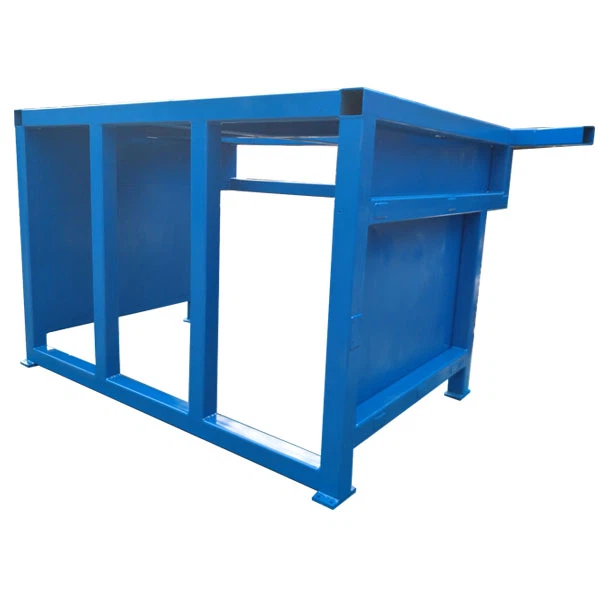
Coating is an important step to protect the steel from corrosion and improve its appearance. We offer Custom Carbon Steel Cabinet Iron Fabrication with Powder Coating. Before applying the coating, we clean and prepare the surface of the steel to ensure good adhesion. We use high - quality powder coatings that are resistant to corrosion, abrasion, and UV radiation.
We control the coating thickness using coating thickness gauges. The coating thickness must be uniform and within the specified range to provide effective protection. After coating, we conduct adhesion tests and salt spray tests to evaluate the quality of the coating. These tests simulate real - world conditions and ensure that the coating can withstand long - term exposure to the environment.
Final Inspection
Before the finished products are shipped to our customers, they undergo a final inspection. This inspection includes a visual inspection to check for any surface defects, such as scratches, dents, or uneven coating. We also conduct a final dimensional check to ensure that all the products meet the design specifications.
We compare the final products with the customer's requirements and our internal quality standards. Any products that do not pass the final inspection are either reworked or scrapped. This final inspection process is the last line of defense in our quality control system, ensuring that only products of the highest quality reach our customers.
Conclusion
As a steel forming supplier, we are committed to providing our customers with high - quality steel products. Our comprehensive quality control measures, from raw material inspection to final product inspection, ensure that every product we produce meets or exceeds our customers' expectations. We also offer Custom Made Structural Steel Plate Fabricators in China, catering to the diverse needs of our customers in different industries.
If you are in need of high - quality steel products, we invite you to contact us for procurement and further discussions. Our team of experts is ready to work with you to understand your specific requirements and provide you with the best - quality steel solutions.
References
- ASM Handbook, Volume 14A: Metalworking: Bulk Forming, ASM International.
- Welding Handbook, American Welding Society.
- Standards for Steel Products, International Organization for Standardization (ISO).


