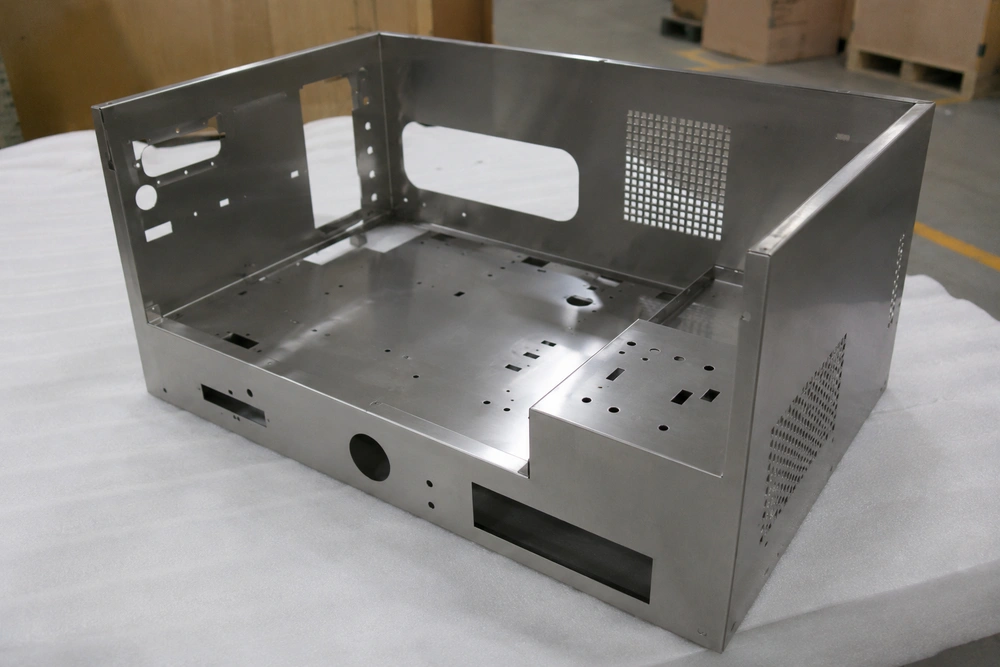

As a seasoned supplier in the metal fabrication industry, I've witnessed firsthand the incredible capabilities and widespread applications of metal fabrication. From creating intricate components for high - tech machinery to crafting beautiful custom metal wall decorations, the field is truly versatile. However, like any manufacturing process, metal fabrication has its limitations. In this blog, I'll delve into some of these constraints that we, as metal fabricators, often encounter.
Material Constraints
One of the primary limitations in metal fabrication lies in the materials themselves. Different metals possess distinct physical and chemical properties, which can pose challenges during the fabrication process.
For instance, some metals are highly reactive to environmental factors. Aluminum, while being lightweight and corrosion - resistant, can be prone to oxidation. When exposed to air, a thin layer of aluminum oxide forms on its surface. Although this oxide layer can provide some protection, in certain fabrication processes such as welding, it can interfere with the bonding process. Special techniques, like pre - cleaning and using specific fluxes, are required to overcome this issue. Our High Precision Custom Aluminium Metal Fabrication services often need to account for these material - specific challenges to ensure high - quality end products.
Another material - related limitation is the brittleness of some metals. Metals like cast iron are brittle, which means they are more likely to crack or break under stress. During processes such as bending or stamping, cast iron components may fracture, making it difficult to achieve complex shapes. This restricts the design possibilities when working with brittle metals.
The availability and cost of materials also play a significant role. Some rare or specialty metals can be extremely expensive and have limited availability. For example, titanium is a high - strength, lightweight metal with excellent corrosion resistance, but its high cost and complex extraction and processing methods make it less accessible for large - scale or budget - conscious projects.
Geometric Limitations
The geometric complexity of a design can severely limit the metal fabrication process. Some designs may be too intricate to be achieved using traditional fabrication methods.
Complex internal geometries, for example, can be a major challenge. Creating parts with internal cavities, channels, or undercuts often requires advanced machining techniques such as electrical discharge machining (EDM) or 3D printing. These methods are more time - consuming and expensive compared to conventional machining processes.
When it comes to sheet metal fabrication, the minimum bend radius is a crucial geometric limitation. Each metal has a specific minimum bend radius, which is the smallest radius that can be achieved without causing the metal to crack or deform. If a design requires a bend radius smaller than the minimum value for the chosen metal, it may not be possible to fabricate the part using standard bending techniques.
Moreover, large - scale or oversized components present their own set of challenges. Handling and transporting large metal parts can be difficult and costly. In addition, the equipment used for fabrication may have size limitations. For example, a CNC milling machine may have a maximum work area, which restricts the size of the parts that can be machined on it.
Process - Specific Limitations
Different metal fabrication processes have their own unique limitations.
In welding, one of the most common processes, the quality of the weld can be affected by various factors. Welding different metals together can be challenging due to differences in their melting points, thermal expansion coefficients, and chemical compositions. Dissimilar metal welding often requires special filler materials and welding techniques to ensure a strong and reliable joint.
Surface finish is another area where welding can fall short. Welds can leave behind rough surfaces, spatter, and heat - affected zones, which may require additional finishing operations such as grinding, polishing, or sandblasting. These post - welding processes add time and cost to the overall fabrication.
Stamping, a widely used process for mass - producing metal parts, has its limitations as well. The initial tooling cost for stamping dies can be very high. Design changes during the production process can be costly and time - consuming, as new dies may need to be fabricated. Additionally, stamping is more suitable for relatively simple shapes, and it may not be able to produce highly complex or three - dimensional parts. Our Metal Fabrication And Stamping Parts Suppliers services need to carefully consider these process - specific limitations when working with clients.
Laser cutting, while offering high precision and flexibility, also has its drawbacks. The thickness of the metal that can be cut by a laser is limited. As the metal thickness increases, the cutting speed decreases, and the quality of the cut may deteriorate. In addition, laser cutting can generate heat, which may cause thermal distortion in the surrounding areas of the cut, especially in thin metals.
Tolerance and Precision Limitations
Achieving high levels of tolerance and precision in metal fabrication can be extremely challenging. Tolerance refers to the allowable variation in the dimensions of a part, and precision is the degree of accuracy in the manufacturing process.
In machining operations, factors such as tool wear, machine vibrations, and thermal expansion can affect the dimensional accuracy of the parts. Even with the most advanced CNC machines, it can be difficult to maintain extremely tight tolerances over a large number of parts. Small variations in the cutting tools or the machining environment can lead to significant differences in the final dimensions of the parts.


When it comes to custom metal wall decorations, precision is crucial for achieving the desired aesthetic effect. Our Custom Metal Wall Decoration Designed Laser Cut Metal Laser Engraving Oem Laser Cutting Service Pieces Stainless Steel services need to ensure that the laser cutting and engraving processes are precise to create detailed and accurate designs. However, factors such as the stability of the laser beam and the movement of the workpiece can introduce small errors, which may affect the overall quality of the decoration.
Environmental and Regulatory Limitations
Metal fabrication processes can have a significant impact on the environment, and there are strict regulations in place to control this impact.
Many metal fabrication processes generate waste, including metal shavings, scraps, and chemicals. Disposing of these waste materials in an environmentally friendly manner can be challenging and costly. For example, some metal - finishing processes use chemicals such as acids and solvents, which need to be properly treated and disposed of to prevent pollution.
Noise pollution is another environmental concern. Processes like stamping, grinding, and welding can produce high - level noise, which can be a nuisance to workers and nearby residents. Metal fabricators need to invest in noise - reduction equipment and implement proper safety measures to protect their workers and comply with noise regulations.
Energy consumption is also a major issue in metal fabrication. Processes such as melting, heat treatment, and machining require a large amount of energy. Rising energy costs and the need to reduce carbon emissions are driving metal fabricators to find more energy - efficient processes and technologies.
Conclusion
Despite these limitations, metal fabrication remains an essential and highly valuable industry. At our company, we are constantly working to overcome these challenges through innovation, the use of advanced technologies, and continuous improvement of our processes.
We understand that these limitations can be a concern for our clients, but we are committed to providing solutions that meet their needs. Whether it's finding alternative materials, optimizing the design to work within the geometric constraints, or choosing the most suitable fabrication process, we strive to deliver high - quality metal products.
If you are in need of metal fabrication services and want to discuss how we can work around these limitations to achieve your project goals, we encourage you to reach out to us for a procurement discussion. We are eager to collaborate with you and turn your ideas into reality.
References
- "Metal Fabrication Handbook" by John R. Davis
- "Welding Metallurgy and Weldability of Stainless Steels" by John C. Lippold and David J. Kotecki
- "Sheet Metal Forming Processes and Die Design" by P. K. Mallick