
What are the environmental impacts of using a brake press?
As a brake press supplier, I am acutely aware of the growing importance of environmental considerations in the manufacturing industry. Brake presses are widely used in metal fabrication processes, from creating simple brackets to complex automotive parts. However, like any industrial equipment, they have both direct and indirect environmental impacts. In this blog post, I will explore these impacts in detail and discuss potential solutions to mitigate them.
1. Energy Consumption
One of the most significant environmental impacts of using a brake press is its energy consumption. Brake presses rely on hydraulic, mechanical, or servo-electric systems to generate the force needed to bend and shape metal. Hydraulic brake presses, for example, use a hydraulic pump to pressurize fluid, which then drives the ram to perform the bending operation. This process requires a substantial amount of electricity to power the pump, especially during high-pressure applications.
Mechanical brake presses, on the other hand, use a flywheel and a clutch mechanism to transfer energy from a motor to the ram. While they may be more energy-efficient than hydraulic presses in some cases, they still consume a significant amount of power, especially when operating at high speeds. Servo-electric brake presses are generally more energy-efficient than their hydraulic and mechanical counterparts, as they can precisely control the amount of energy used based on the specific bending requirements.
To reduce the energy consumption of brake presses, manufacturers can implement several strategies. For instance, they can invest in energy-efficient models that use advanced technologies such as variable frequency drives (VFDs) to adjust the motor speed according to the load. Additionally, implementing energy management systems can help monitor and optimize the energy usage of brake presses, ensuring that they operate at peak efficiency.
2. Noise Pollution
Another environmental impact associated with brake presses is noise pollution. The operation of a brake press involves the rapid movement of heavy machinery, which can generate loud noise levels. Prolonged exposure to high noise levels can have detrimental effects on the health of workers, including hearing loss, stress, and fatigue. Moreover, noise pollution can also affect the surrounding community, causing annoyance and disturbance.
To mitigate the noise pollution caused by brake presses, manufacturers can take several measures. Installing sound insulation materials around the brake press can help reduce the noise levels emitted during operation. Additionally, using vibration dampening pads and mounts can minimize the transmission of vibrations, which can contribute to noise generation. Regular maintenance of the brake press, including lubrication of moving parts and replacement of worn-out components, can also help reduce noise levels.
3. Waste Generation
Brake presses generate various types of waste during the metal fabrication process. One of the most common types of waste is metal scrap, which is produced when excess metal is removed from the workpiece during bending or cutting operations. Metal scrap can be recycled, but it requires additional processing and energy to be reused. Additionally, brake presses may also generate waste in the form of lubricants, coolants, and cleaning agents, which can contain hazardous chemicals that need to be properly disposed of to prevent environmental contamination.
To minimize waste generation, manufacturers can implement lean manufacturing principles, which focus on reducing waste and improving efficiency. This can involve optimizing the cutting and bending processes to minimize the amount of metal scrap produced. Additionally, implementing a recycling program for metal scrap can help reduce the environmental impact of waste generation. Manufacturers can also explore the use of environmentally friendly lubricants and coolants that are biodegradable and non-toxic.
4. Air Pollution
The operation of brake presses can also contribute to air pollution. During the metal fabrication process, brake presses may generate dust, fumes, and particulate matter, which can be released into the air. These pollutants can contain harmful substances such as heavy metals, volatile organic compounds (VOCs), and welding fumes, which can have adverse effects on human health and the environment.
To reduce air pollution, manufacturers can install effective ventilation systems in the workplace to capture and remove dust, fumes, and particulate matter. Additionally, using dust collection systems can help prevent the release of pollutants into the air. Regular maintenance of the ventilation and dust collection systems is essential to ensure their proper functioning.
5. Water Pollution
In some cases, brake presses may also contribute to water pollution. For example, the use of coolants and lubricants in brake presses can contaminate water sources if not properly managed. Coolants and lubricants may contain chemicals such as oils, greases, and heavy metals, which can be harmful to aquatic life and the environment.
To prevent water pollution, manufacturers should implement proper waste management practices for coolants and lubricants. This can involve recycling and reusing coolants and lubricants whenever possible, as well as properly disposing of any waste products. Additionally, using environmentally friendly coolants and lubricants can help reduce the environmental impact of water pollution.
Solutions and Best Practices
As a brake press supplier, I understand the importance of helping our customers minimize the environmental impacts of using our products. We offer a range of energy-efficient brake presses that are designed to reduce energy consumption and noise pollution. Our servo-electric brake presses, for example, use advanced technology to precisely control the amount of energy used, resulting in significant energy savings.
In addition to providing energy-efficient products, we also offer comprehensive training and support to our customers on how to operate and maintain their brake presses in an environmentally friendly manner. This includes training on lean manufacturing principles, waste management, and the use of environmentally friendly lubricants and coolants.
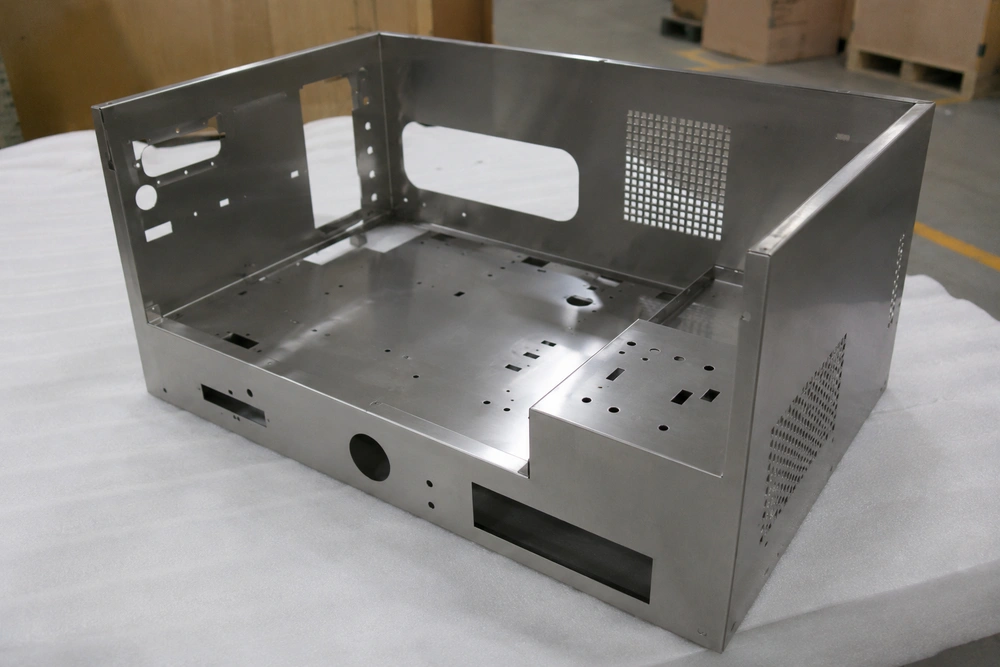
We also encourage our customers to explore the use of sustainable materials in their metal fabrication processes. For example, using recycled metals can help reduce the environmental impact of waste generation and conserve natural resources. Additionally, we offer Custom Stainless Steel Bending Sheet Metal Forming Parts, Customized Bending Stamping Cutting Welding Metal Fabrication, and Precision CNC Bending Sheet Metal Fabricated Parts OEM ODM services that can help our customers optimize their manufacturing processes and reduce waste.


Conclusion
In conclusion, the use of brake presses in the metal fabrication industry has several environmental impacts, including energy consumption, noise pollution, waste generation, air pollution, and water pollution. However, by implementing appropriate solutions and best practices, manufacturers can minimize these impacts and operate in a more sustainable manner. As a brake press supplier, we are committed to providing our customers with energy-efficient products and comprehensive support to help them reduce their environmental footprint.
If you are interested in learning more about our brake press products and how they can help you minimize your environmental impact, please contact us for a consultation. We look forward to working with you to achieve your sustainability goals.
References
- "Energy Efficiency in Metal Forming Processes." International Journal of Advanced Manufacturing Technology, vol. 56, no. 9-12, 2011, pp. 1037-1047.
- "Noise Control in Industrial Environments." Occupational Health and Safety, vol. 82, no. 7, 2013, pp. 42-47.
- "Waste Management in the Manufacturing Industry." Journal of Cleaner Production, vol. 112, 2016, pp. 2439-2448.
- "Air Pollution Control in Metal Fabrication." Environmental Science and Technology, vol. 48, no. 12, 2014, pp. 6912-6919.
- "Water Pollution Prevention in Industrial Processes." Water Research, vol. 47, no. 1, 2013, pp. 1-11.