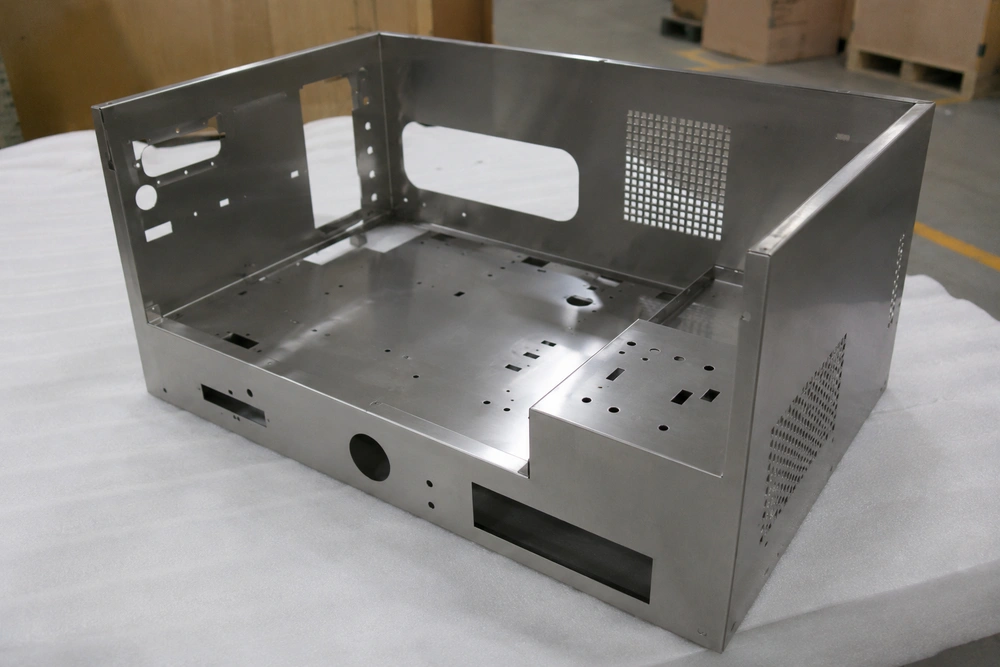

Hey there! As a metal parts supplier, I've seen firsthand how humidity can mess with metal parts big time. In this blog, I'm gonna break down the effects of humidity on metal parts, so you can understand why it's a big deal and how to handle it.
Corrosion: The Biggie
One of the most obvious effects of humidity on metal parts is corrosion. When metal is exposed to moisture in the air, it starts to react with oxygen to form metal oxides. This is what we call rust when it comes to iron and steel. The higher the humidity, the faster this process happens.
Think about it like this: if you leave a metal tool outside on a rainy day, it'll start to get all rusty in no time. That's because the water in the air provides the perfect environment for corrosion to take place. And it's not just iron and steel that are affected. Other metals like aluminum, copper, and brass can also corrode in humid conditions, although the type of corrosion might be different.
For us metal parts suppliers, corrosion is a major headache. It can damage the parts we produce, making them less durable and reliable. Customers don't want to buy parts that are already starting to rust or corrode, so we have to take extra steps to prevent it. That's why we often use coatings and finishes to protect the metal from moisture. For example, we might apply a layer of paint, powder coating, or galvanization to the parts. These coatings act as a barrier between the metal and the air, preventing moisture from reaching the surface and causing corrosion.
But even with these protective measures, humidity can still be a problem. If the coating gets damaged or worn off, the metal underneath is exposed to the elements and can start to corrode. That's why it's important to handle and store metal parts properly. We need to make sure they're kept in a dry environment and protected from moisture as much as possible.
Dimensional Changes
Another effect of humidity on metal parts is dimensional changes. When metal absorbs moisture, it can expand or contract, depending on the type of metal and the amount of moisture it absorbs. This can cause problems with the fit and function of the parts.
For example, if a metal part is designed to fit precisely into another part, any dimensional changes due to humidity can make it too loose or too tight. This can affect the performance of the equipment or machinery that the parts are used in. In some cases, it can even cause the equipment to malfunction or break down.


As a metal parts supplier, we have to take these dimensional changes into account when we're manufacturing the parts. We need to use materials that are less likely to be affected by humidity and make sure the parts are designed with some tolerance for dimensional changes. We also need to provide our customers with information about how to handle and store the parts to minimize the effects of humidity.
Electrical Conductivity
Humidity can also affect the electrical conductivity of metal parts. When metal is exposed to moisture, it can form a thin layer of water on the surface. This layer of water can act as a conductor, which can cause problems in electrical systems.
For example, if a metal part is used in an electrical circuit, the presence of moisture can increase the resistance of the circuit, which can lead to a decrease in electrical performance. In some cases, it can even cause a short circuit, which can damage the equipment or pose a safety hazard.
To prevent these problems, we need to make sure the metal parts we supply are properly insulated and protected from moisture. We might use coatings or sealants to prevent moisture from reaching the surface of the parts, or we might design the parts to be used in a sealed environment.
Lubrication and Wear
Humidity can also have an impact on the lubrication and wear of metal parts. When metal is exposed to moisture, it can cause the lubricant to break down or become less effective. This can increase the friction between the parts, which can lead to wear and tear.
For example, in a machine where metal parts are moving against each other, the presence of moisture can cause the lubricant to wash away or become contaminated. This can cause the parts to rub against each other more, which can lead to increased wear and a shorter lifespan for the parts.
To prevent these problems, we need to use lubricants that are resistant to moisture and make sure the parts are properly lubricated. We also need to monitor the condition of the lubricant and replace it as needed to ensure optimal performance.
Prevention and Mitigation
So, how can we prevent and mitigate the effects of humidity on metal parts? Here are some tips:
- Storage: Store metal parts in a dry environment with low humidity. Use dehumidifiers or air conditioners to control the humidity level in the storage area.
- Coatings and Finishes: Apply protective coatings and finishes to the metal parts to prevent moisture from reaching the surface. This can include paint, powder coating, galvanization, or other types of coatings.
- Handling: Handle metal parts with care to avoid damaging the protective coatings or exposing them to moisture. Use gloves and other protective equipment when handling the parts.
- Inspection: Regularly inspect the metal parts for signs of corrosion, dimensional changes, or other damage. If any problems are found, take appropriate action to repair or replace the parts.
- Lubrication: Use lubricants that are resistant to moisture and make sure the parts are properly lubricated. Monitor the condition of the lubricant and replace it as needed.
Conclusion
In conclusion, humidity can have a significant impact on metal parts. It can cause corrosion, dimensional changes, electrical conductivity problems, lubrication and wear issues, and more. As a metal parts supplier, it's our responsibility to understand these effects and take steps to prevent and mitigate them.
By using protective coatings, storing the parts properly, handling them with care, and monitoring their condition, we can ensure that the metal parts we supply are of high quality and reliable. If you're in the market for metal parts, make sure you choose a supplier who understands the effects of humidity and takes the necessary steps to protect the parts.
If you're interested in our LBT Custom Stainless Steel Product Parts/pipe/box/enclosure Cnc Processing Sheet Metal Fabrication, Precision Stainless Steel or Carbon Steel Sheet Metal Products OEM, or Frame Bending Stainless Steel Stamping Services Sheet Metal Parts Aluminium Welding Stamping Parts, feel free to reach out to us for a quote or to discuss your specific requirements. We're here to help you find the best metal parts solutions for your needs.
References
- Metals Handbook: Corrosion, ASM International
- Corrosion Engineering, Pierre R. Roberge
- The Science of Rust: How Corrosion Works, HowStuffWorks