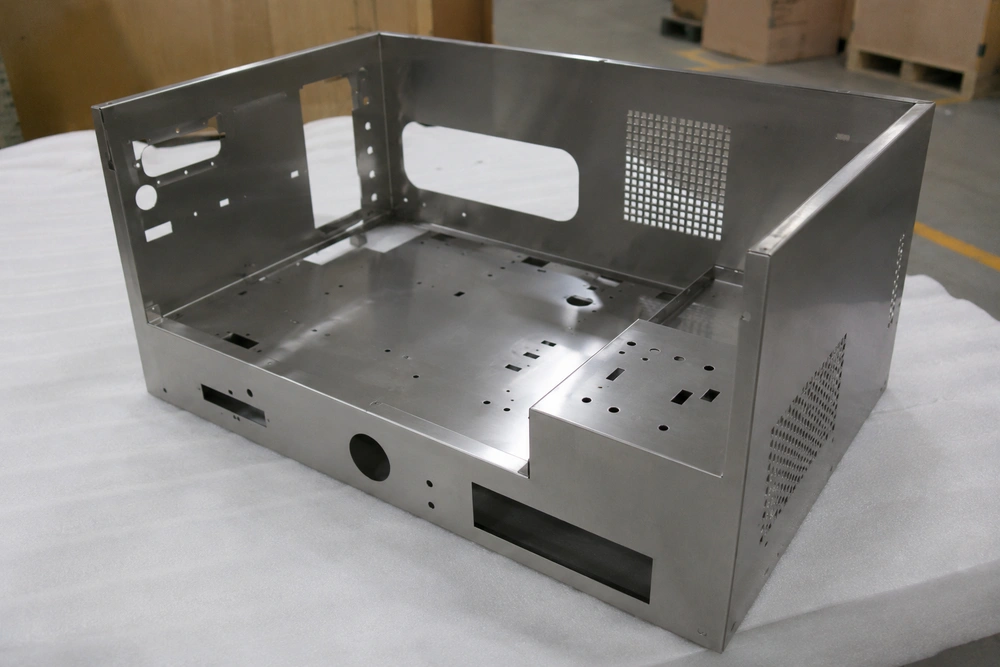

As a dedicated supplier at Metal Fab, I'm excited to share insights into the diverse finishes available in our metal fabrication processes. These finishes not only enhance the aesthetic appeal of metal products but also contribute to their durability and functionality. In this blog, we'll explore the various types of finishes, their applications, and the benefits they bring to different industries.
1. Powder Coating
Powder coating is one of the most popular finishes in metal fabrication. It involves applying a dry powder to the metal surface, which is then cured under heat to form a hard, protective layer. This finish offers several advantages. Firstly, it provides excellent corrosion resistance, making it ideal for outdoor applications. For example, in Industrial Construction Sheet Metal Fabrication, powder-coated metal structures can withstand harsh environmental conditions, such as rain, snow, and UV radiation.
Secondly, powder coating offers a wide range of colors and textures, allowing for customization to meet specific design requirements. Whether you need a smooth, glossy finish for a modern look or a textured finish for a more rustic appearance, powder coating can deliver. This versatility makes it suitable for various industries, including automotive, furniture, and architectural applications.
In addition, powder coating is an environmentally friendly option compared to traditional liquid painting. It produces less waste and volatile organic compounds (VOCs), which are harmful to the environment and human health. As more companies are becoming environmentally conscious, powder coating has gained popularity as a sustainable finishing solution.
2. Anodizing
Anodizing is an electrochemical process that creates a protective oxide layer on the surface of aluminum and other metals. This finish is commonly used in Aluminum Manufacture Custom Metal Fabrication Turn due to its excellent corrosion resistance and aesthetic appeal.
The anodizing process involves immersing the metal in an electrolyte solution and applying an electric current. This causes the metal surface to oxidize, forming a hard, durable oxide layer. The thickness of the oxide layer can be controlled, allowing for different levels of protection and appearance.
One of the key benefits of anodizing is its ability to enhance the metal's natural color. Anodized aluminum can be dyed in a variety of colors, providing a vibrant and long-lasting finish. This makes it a popular choice for architectural applications, such as window frames, doors, and decorative elements.
Anodizing also improves the metal's abrasion resistance, making it suitable for high-traffic areas. It is commonly used in the automotive industry for parts such as wheels, trim, and engine components. The anodized finish not only protects the metal from wear and tear but also adds a sleek and modern look to the vehicle.
3. Plating
Plating is a process of depositing a thin layer of metal onto the surface of another metal. There are several types of plating, including chrome plating, nickel plating, and gold plating. Each type of plating offers unique properties and benefits.
Chrome plating is known for its high shine and corrosion resistance. It is commonly used in the automotive industry for parts such as bumpers, grilles, and trim. Chrome-plated parts not only look stylish but also provide excellent protection against rust and corrosion.


Nickel plating is another popular option, especially for applications that require good wear resistance and electrical conductivity. It is commonly used in the electronics industry for components such as connectors, switches, and printed circuit boards. Nickel plating can also improve the solderability of the metal, making it easier to assemble electronic devices.
Gold plating is often used for decorative purposes due to its luxurious appearance. It is commonly used in the jewelry industry for items such as rings, necklaces, and bracelets. Gold plating can also be used in the electronics industry for high-end components, where its excellent electrical conductivity and corrosion resistance are required.
4. Polishing
Polishing is a finishing process that involves smoothing and shining the metal surface. It can be done using various methods, such as mechanical polishing, chemical polishing, and electro-polishing.
Mechanical polishing is the most common method, which involves using abrasive materials to remove surface imperfections and create a smooth finish. This method is suitable for a wide range of metals and can achieve a high level of shine. Mechanical polishing is commonly used in the jewelry industry for items such as rings, bracelets, and pendants.
Chemical polishing uses chemicals to dissolve the surface layer of the metal, creating a smooth and shiny finish. This method is often used for metals that are difficult to polish mechanically, such as stainless steel. Chemical polishing can also be used to remove surface contaminants and improve the metal's corrosion resistance.
Electro-polishing is an electrochemical process that uses an electric current to remove surface material and create a smooth finish. It is commonly used for applications where a high level of surface finish is required, such as medical devices and food processing equipment. Electro-polishing can also improve the metal's corrosion resistance and cleanliness.
5. Painting
Painting is a traditional finishing method that involves applying a liquid paint to the metal surface. There are several types of paint, including enamel paint, acrylic paint, and epoxy paint. Each type of paint offers different properties and benefits.
Enamel paint is known for its hard, durable finish and high gloss. It is commonly used in the automotive industry for parts such as body panels, fenders, and hoods. Enamel paint provides excellent protection against scratches, chips, and UV radiation.
Acrylic paint is a water-based paint that offers good adhesion and flexibility. It is commonly used in the architectural industry for applications such as walls, ceilings, and furniture. Acrylic paint is available in a wide range of colors and finishes, making it suitable for various design requirements.
Epoxy paint is a two-component paint that offers excellent chemical resistance and durability. It is commonly used in industrial applications, such as tanks, pipes, and flooring. Epoxy paint can withstand harsh chemicals, abrasion, and impact, making it suitable for demanding environments.
Conclusion
In conclusion, Metal Fab offers a wide range of finishes to meet the diverse needs of our customers. Whether you need a protective finish for outdoor applications, a decorative finish for architectural elements, or a functional finish for industrial components, we have the expertise and capabilities to deliver.
The finishes we discussed, including powder coating, anodizing, plating, polishing, and painting, each offer unique properties and benefits. By choosing the right finish for your project, you can enhance the appearance, durability, and functionality of your metal products.
If you're interested in learning more about our metal fabrication services and the finishes we offer, please visit our website or contact us for a consultation. We look forward to working with you to bring your metal fabrication projects to life.
References
- "Powder Coating: A Guide to the Process and Benefits." Metal Finishing Magazine.
- "Anodizing: The Science and Applications." Aluminum Association.
- "Plating: Types and Applications." Surface Engineering Journal.
- "Polishing Techniques for Metal Finishing." Manufacturing Technology Today.
- "Painting: A Comprehensive Guide to Metal Finishing." Paint and Coatings Industry.