


In the ever - evolving landscape of the textile industry, the choice of cutting technology can significantly impact a business's efficiency, quality, and bottom line. Among the various cutting methods available, using a cutting laser has emerged as a game - changer, offering numerous advantages that are revolutionizing textile cutting processes. As a cutting laser supplier, I am excited to delve into the key benefits that make laser cutting an indispensable tool for textile manufacturers.
Precision and Accuracy
One of the most significant advantages of using a cutting laser for textile cutting is the unparalleled precision and accuracy it offers. Laser cutting systems are capable of achieving extremely fine cuts with tolerances as low as a few micrometers. This level of precision is crucial in the textile industry, where patterns and designs often require intricate details. Whether it's cutting out small, complex shapes for lingerie or creating precise edges on high - end fashion garments, a laser cutter can reproduce the exact specifications of a design with remarkable consistency.
Traditional cutting methods, such as die - cutting or blade cutting, may struggle to maintain this level of accuracy, especially when dealing with intricate patterns or delicate fabrics. The heat - affected zone in laser cutting is minimal, which means that the surrounding fabric is not distorted or damaged during the cutting process. This results in clean, sharp edges that enhance the overall quality of the finished product.
Versatility
Another major advantage of laser cutting in the textile industry is its versatility. Laser cutters can handle a wide range of textile materials, including natural fibers like cotton, silk, and wool, as well as synthetic fibers such as polyester, nylon, and spandex. They can also cut through different fabric weights and thicknesses, from lightweight chiffons to heavy - duty denim.
This versatility makes laser cutting suitable for a variety of applications within the textile sector. For example, in the production of home textiles, laser cutters can be used to create decorative elements for curtains, tablecloths, and bedding. In the fashion industry, they are used for cutting out patterns for clothing, as well as for creating embellishments and details on garments. Moreover, laser cutting can be used for both small - scale custom orders and large - scale mass production, making it a flexible solution for businesses of all sizes.
Speed and Efficiency
Laser cutting is a highly efficient process that can significantly reduce production time. Unlike traditional cutting methods, which may require manual labor or multiple steps, laser cutters can cut through fabric quickly and automatically. Once the design is programmed into the laser cutting system, it can cut multiple pieces of fabric in a short period, with minimal downtime between cuts.
This speed and efficiency translate into increased productivity for textile manufacturers. They can fulfill orders more quickly, meet tight deadlines, and take on more projects without sacrificing quality. Additionally, the automation of the laser cutting process reduces the risk of human error, further improving the overall efficiency of the production line.
Cost - Effectiveness
While the initial investment in a laser cutting system may be higher than that of traditional cutting equipment, the long - term cost - effectiveness of laser cutting is undeniable. Laser cutters require less maintenance compared to other cutting machines, as they have fewer moving parts that can wear out or break. This reduces the cost of repairs and replacement parts over time.
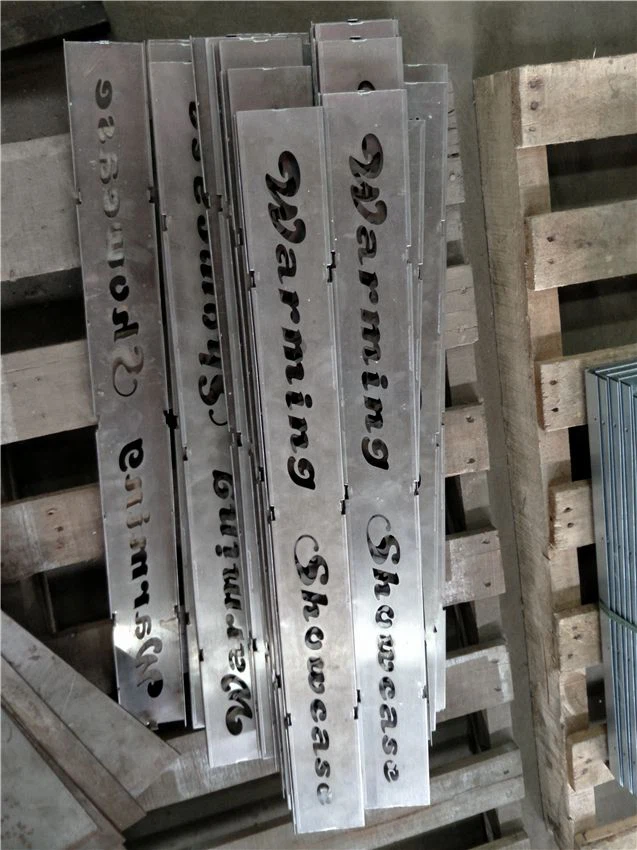

Moreover, the precision of laser cutting means that there is less waste material. Traditional cutting methods often result in significant fabric waste due to inaccurate cuts or the need for larger margins around the cutting area. Laser cutting, on the other hand, can optimize the use of fabric by cutting out patterns in a more efficient layout, reducing material costs. Over the course of a large - scale production run, these savings can add up to a substantial amount.
Customization and Design Flexibility
In today's market, consumers are increasingly looking for unique and personalized products. Laser cutting offers textile manufacturers the ability to meet this demand by providing a high degree of customization and design flexibility. With a laser cutter, it is easy to create custom designs, patterns, and logos on fabric. Whether it's a one - of - a - kind wedding dress or a limited - edition collection of t - shirts, laser cutting can bring any design concept to life.
The software used to control laser cutters allows designers to easily modify and adjust designs, making it possible to quickly respond to changing customer preferences or market trends. This flexibility gives textile businesses a competitive edge in the market, as they can offer a wider range of products and cater to a more diverse customer base.
Clean and Safe Operation
Laser cutting is a clean and safe process compared to some traditional cutting methods. Since there is no physical contact between the cutting tool and the fabric, there is no risk of fraying or damage to the fabric edges caused by blades or dies. Additionally, laser cutters produce minimal dust and debris during the cutting process, which helps to maintain a clean working environment.
From a safety perspective, modern laser cutting systems are equipped with advanced safety features, such as protective enclosures and sensors that prevent accidental exposure to the laser beam. This ensures the safety of operators and reduces the risk of workplace accidents.
Integration with Digital Workflows
In the digital age, the ability to integrate cutting processes with digital workflows is essential for textile manufacturers. Laser cutting systems can be easily connected to design software, allowing for seamless transfer of design files from the computer to the cutting machine. This eliminates the need for manual tracing or transfer of patterns, reducing the risk of errors and improving the overall efficiency of the design - to - production process.
Furthermore, the data generated by laser cutting systems can be used for quality control and production management. Manufacturers can track cutting times, material usage, and other metrics to optimize their production processes and make informed decisions about resource allocation.
Environmental Friendliness
As the global focus on sustainability increases, the environmental impact of manufacturing processes has become a major concern. Laser cutting is a relatively environmentally friendly option for textile cutting. Since it produces less waste material compared to traditional cutting methods, it helps to conserve resources. Additionally, the energy consumption of modern laser cutting systems has been significantly reduced, making them more energy - efficient.
In conclusion, the advantages of using a cutting laser for textile cutting are numerous and far - reaching. From precision and versatility to speed, cost - effectiveness, and environmental friendliness, laser cutting offers a comprehensive solution for textile manufacturers looking to improve their production processes and stay competitive in the market.
If you are in the textile industry and are looking to upgrade your cutting technology, I encourage you to consider our cutting laser solutions. We offer a range of high - quality laser cutting systems that are designed to meet the specific needs of textile manufacturers. For more information on our metal laser cutting capabilities, you can visit our websites: Custom Logo Laser Cut Metal Good Quality, Custom Reasonable Price Non - standard Cutting Sheet Metal, and High Precision 5mm Carbon Steel Cut Custom Laser Cut Steel.
We are always ready to discuss your requirements and provide you with a customized solution. Contact us today to start a conversation about how our cutting lasers can take your textile production to the next level.
References
- "Textile Manufacturing Technology" by Subhashis Gangopadhyay
- "Laser Processing of Materials" by George Chryssolouris
- Industry reports on textile cutting technologies from leading market research firms.


