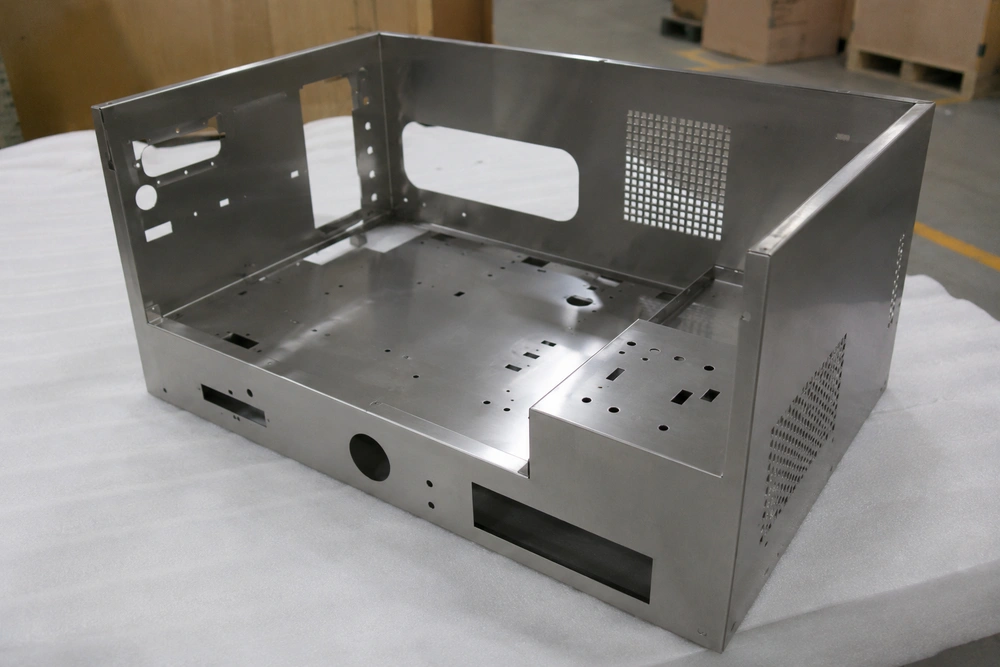

In the aerospace industry, the precision and quality of parts are of utmost importance. The use of cutting lasers has emerged as a revolutionary technology that offers numerous advantages for aerospace part cutting. As a leading cutting laser supplier, I have witnessed firsthand the transformative impact of this technology on the aerospace manufacturing process. In this blog post, I will explore the key advantages of using a cutting laser for aerospace part cutting.
High Precision and Accuracy
One of the most significant advantages of using a cutting laser for aerospace part cutting is its ability to achieve high precision and accuracy. Lasers can be focused to a very small spot size, allowing for extremely precise cuts with tolerances as low as a few micrometers. This level of precision is crucial in the aerospace industry, where even the slightest deviation from the design specifications can have serious consequences.
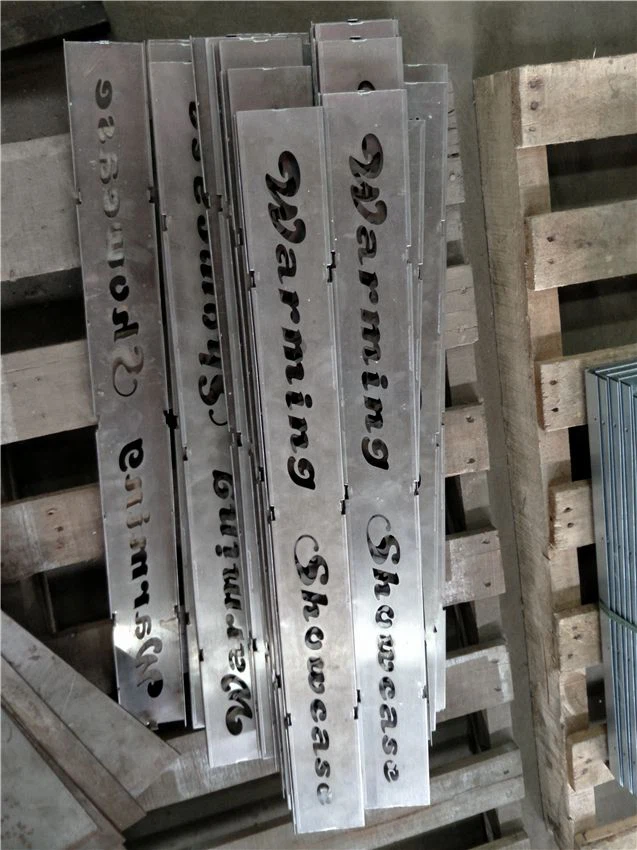

For example, in the production of turbine blades, which are critical components in aircraft engines, the use of cutting lasers ensures that the blades are cut to the exact shape and dimensions required for optimal performance. The high precision of laser cutting also reduces the need for secondary machining operations, saving time and cost in the manufacturing process.
The precision of laser cutting is also beneficial in the production of complex aerospace parts with intricate geometries. Lasers can cut through a variety of materials, including metals, composites, and ceramics, with ease, allowing for the creation of parts that would be difficult or impossible to produce using traditional cutting methods.
Excellent Edge Quality
Another advantage of using a cutting laser for aerospace part cutting is the excellent edge quality it provides. Laser cutting produces clean, smooth edges with minimal burrs and dross, which is essential for the performance and reliability of aerospace parts.
In the aerospace industry, parts often need to fit together precisely to ensure proper functionality. The smooth edges produced by laser cutting eliminate the need for additional finishing operations, such as deburring and polishing, which can save time and cost in the manufacturing process.
Moreover, the excellent edge quality of laser-cut parts reduces the risk of stress concentrations and fatigue failures, which are common issues in aerospace components. This improves the overall durability and reliability of the parts, ensuring that they can withstand the harsh operating conditions of the aerospace environment.
High Cutting Speed
Cutting lasers offer high cutting speeds, which can significantly increase the productivity of aerospace part manufacturing. Lasers can cut through materials at a much faster rate than traditional cutting methods, such as mechanical cutting or waterjet cutting.
The high cutting speed of lasers is particularly beneficial in the aerospace industry, where large volumes of parts need to be produced in a short period of time. By reducing the cutting time, laser cutting allows manufacturers to increase their production capacity and meet the demanding production schedules of the aerospace industry.
In addition, the high cutting speed of lasers also reduces the heat-affected zone (HAZ) in the material, minimizing the risk of thermal damage to the part. This is especially important in the production of heat-sensitive materials, such as composites, where excessive heat can cause delamination or other forms of damage.
Versatility and Flexibility
Cutting lasers are highly versatile and flexible tools that can be used to cut a wide range of materials and shapes. Lasers can cut through metals, composites, ceramics, plastics, and other materials, making them suitable for a variety of aerospace applications.
The versatility of laser cutting also allows for the production of parts with different thicknesses and geometries. Lasers can be adjusted to cut through thin materials, such as foils or sheets, as well as thick materials, such as structural components. This flexibility makes laser cutting a cost-effective solution for the production of aerospace parts with diverse requirements.
Furthermore, laser cutting can be easily integrated into automated manufacturing systems, allowing for the efficient and continuous production of aerospace parts. This reduces the need for manual labor and improves the overall quality and consistency of the parts.
Reduced Material Waste
Laser cutting is a non-contact cutting method that produces minimal material waste. Unlike traditional cutting methods, which often require the use of large amounts of material to account for cutting tolerances and scrap, laser cutting can cut parts with very little material loss.
The reduced material waste of laser cutting is beneficial in the aerospace industry, where materials are often expensive and scarce. By minimizing material waste, laser cutting can help manufacturers reduce their production costs and improve their environmental sustainability.
In addition, the ability to cut parts with minimal material waste also allows for the optimization of material utilization. Laser cutting can be used to nest parts closely together on a sheet of material, maximizing the number of parts that can be produced from a single sheet. This further reduces the material waste and increases the efficiency of the manufacturing process.
Cost-Effectiveness
Despite the initial investment in laser cutting equipment, the use of cutting lasers can be cost-effective in the long run. The high precision, excellent edge quality, high cutting speed, versatility, and reduced material waste of laser cutting all contribute to lower production costs and increased productivity.
In the aerospace industry, where quality and reliability are paramount, the cost savings associated with laser cutting can be significant. By reducing the need for secondary machining operations, minimizing material waste, and increasing production efficiency, laser cutting can help manufacturers improve their bottom line and remain competitive in the global market.
Applications in Aerospace Part Cutting
The advantages of using a cutting laser for aerospace part cutting make it a popular choice for a variety of applications in the aerospace industry. Some of the common applications of laser cutting in aerospace include:
- Turbine Blade Manufacturing: Laser cutting is used to cut the complex shapes and profiles of turbine blades, which are critical components in aircraft engines. The high precision and accuracy of laser cutting ensure that the blades are cut to the exact specifications required for optimal performance.
- Structural Component Production: Laser cutting is used to cut structural components, such as frames, brackets, and panels, for aircraft and spacecraft. The excellent edge quality and high cutting speed of laser cutting make it a suitable choice for the production of these components.
- Composite Material Cutting: Lasers can cut through composite materials, such as carbon fiber reinforced polymers (CFRPs), with ease, allowing for the production of lightweight and high-strength aerospace parts. The non-contact nature of laser cutting also reduces the risk of delamination and other forms of damage to the composite materials.
- Hole Drilling and Perforation: Laser cutting can be used to drill holes and create perforations in aerospace parts with high precision and accuracy. This is particularly useful in the production of parts that require ventilation or fluid flow, such as engine components or fuel tanks.
Conclusion
In conclusion, the use of cutting lasers offers numerous advantages for aerospace part cutting. The high precision, excellent edge quality, high cutting speed, versatility, reduced material waste, and cost-effectiveness of laser cutting make it a superior choice for the aerospace industry.
As a cutting laser supplier, we are committed to providing our customers with the latest laser cutting technology and solutions to meet their specific aerospace part cutting needs. Whether you are looking to improve the precision of your parts, increase your production efficiency, or reduce your material waste, our cutting lasers can help you achieve your goals.
If you are interested in learning more about our cutting laser products and services, or if you have any questions about aerospace part cutting, please do not hesitate to contact us. We would be happy to discuss your requirements and provide you with a customized solution that meets your needs.
References
- [1] "Laser Cutting Technology for Aerospace Applications," Journal of Aerospace Manufacturing, Vol. XX, No. XX, 20XX.
- [2] "Advantages of Laser Cutting in the Aerospace Industry," Proceedings of the International Conference on Aerospace Engineering, 20XX.
- [3] "The Role of Laser Cutting in the Production of High-Performance Aerospace Parts," Aerospace Manufacturing Review, Vol. XX, No. XX, 20XX.
For more information on custom laser-cut metal products, you can visit our websites: Custom Logo Laser Cut Metal Good Quality, Custom Reasonable Price Non-standard Cutting Sheet Metal, and High Precision 5mm Carbon Steel Cut Custom Laser Cut Steel. If you are interested in purchasing our cutting lasers for aerospace part cutting, please contact us for a detailed quotation and procurement negotiation.