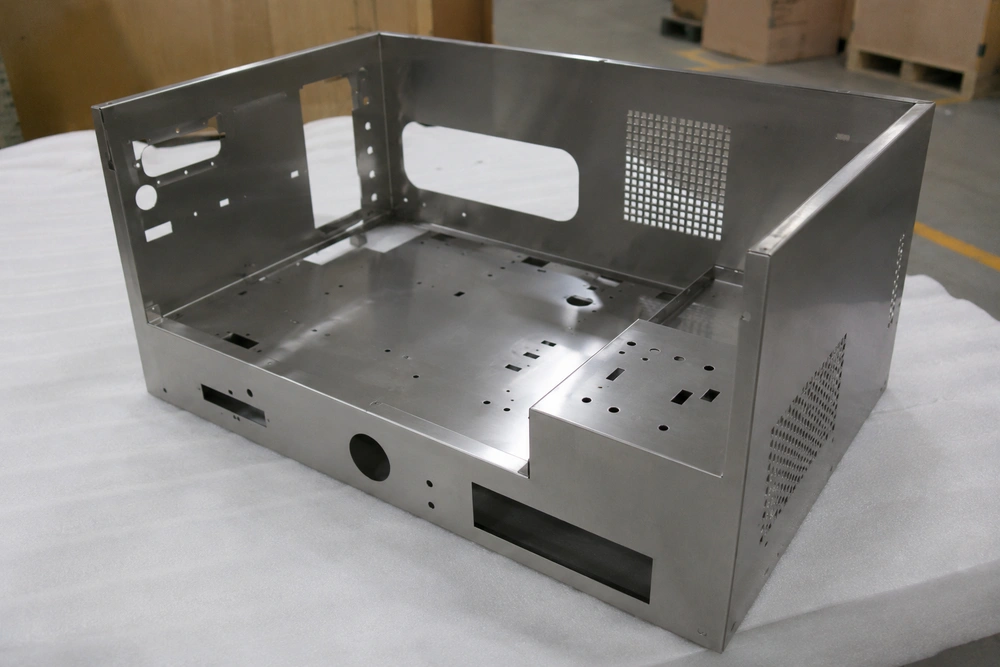

In the realm of manufacturing, the choice between CNC machining and traditional machining is a pivotal decision that can significantly impact the quality, efficiency, and cost - effectiveness of production. As a CNC machining supplier, I've witnessed firsthand the numerous advantages that CNC machining offers over its traditional counterpart. This blog post aims to delve into these benefits, highlighting why more and more industries are turning to CNC machining for their manufacturing needs.
Precision and Accuracy
One of the most prominent advantages of CNC machining is its unparalleled precision and accuracy. Traditional machining methods often rely on manual operation, which is subject to human error. Even the most skilled machinists can experience slight variations in measurements due to fatigue, distractions, or the limitations of manual control. In contrast, CNC machines operate based on pre - programmed instructions, ensuring that each part is manufactured to exact specifications every time.
For instance, in the production of Metal Machining Product CNC Parts OEM & ODM Service Factory, where tight tolerances are crucial, CNC machining can achieve tolerances as small as ±0.001 inches. This level of precision is extremely difficult, if not impossible, to attain consistently with traditional machining. Whether it's creating complex geometries or simple components, CNC machines can replicate the same part with high accuracy, reducing the number of defective products and improving overall product quality.
Efficiency and Productivity
CNC machining offers a significant boost in efficiency and productivity compared to traditional machining. Traditional machining processes are often time - consuming, as they require manual setup, tool changes, and continuous monitoring. Each new part may require a different setup, which can take hours or even days to complete.


On the other hand, CNC machines can be programmed to perform multiple operations in a single setup. Once the program is loaded, the machine can run unattended for long periods, producing parts at a much faster rate. For example, when manufacturing Custom Stainless Steel Aluminium CNC Machine Parts for Automotive, CNC machining can reduce production time by up to 50% compared to traditional methods. This not only allows for faster turnaround times but also enables manufacturers to handle larger production volumes without sacrificing quality.
Moreover, CNC machines can operate 24/7 with minimal supervision, maximizing the use of production facilities. The automation of CNC machining eliminates the need for breaks and shift changes, ensuring a continuous flow of production. This continuous operation can lead to a substantial increase in output, making CNC machining an ideal choice for industries with high - volume production requirements.
Flexibility and Versatility
CNC machining is highly flexible and versatile, capable of producing a wide range of parts with different shapes, sizes, and materials. Traditional machining methods are often limited by the capabilities of the tools and the skill of the operator. Changing the design or specifications of a part may require significant retooling and setup, which can be costly and time - consuming.
With CNC machining, changing the design of a part is as simple as modifying the program. The same machine can be used to produce different parts by loading different programs, making it easy to adapt to changing customer demands. For example, a CNC machine can switch between producing CNC machining part used for automotive devices and parts for other industries with minimal downtime.
CNC machines can also work with a variety of materials, including metals, plastics, composites, and wood. This versatility allows manufacturers to offer a more comprehensive range of products and services, catering to different industries and customer needs. Whether it's a small - scale prototype or a large - scale production run, CNC machining can handle the task with ease.
Cost - Effectiveness
Although the initial investment in CNC machines is higher than that of traditional machining equipment, CNC machining can be more cost - effective in the long run. The high precision and accuracy of CNC machining reduce the number of defective parts, which in turn reduces the cost of rework and scrap. The increased efficiency and productivity also lead to lower labor costs, as fewer operators are required to oversee the production process.
In addition, the flexibility of CNC machining allows for quick design changes and customization without significant additional costs. This is particularly beneficial for industries that require frequent product updates or custom - made parts. For example, in the automotive industry, where design changes are common, CNC machining can help manufacturers save on tooling and setup costs associated with traditional machining.
Quality and Consistency
CNC machining ensures a high level of quality and consistency in the production process. The automated nature of CNC machines eliminates the variability associated with human error, resulting in parts that are identical in shape, size, and quality. This consistency is crucial for industries such as aerospace and medical, where strict quality standards must be met.
Traditional machining, on the other hand, may produce parts with slight variations, even when the same operator is involved. These variations can lead to compatibility issues and performance problems in the final product. With CNC machining, every part is manufactured to the same high - quality standards, ensuring that the end - product functions as intended.
Safety
Safety is another important advantage of CNC machining over traditional machining. Traditional machining processes often involve manual operation, which exposes operators to potential hazards such as sharp tools, moving parts, and flying debris. Operators need to be constantly vigilant to avoid accidents.
CNC machines, however, are enclosed and automated, reducing the risk of operator injury. The operator can monitor the machine from a safe distance, and most modern CNC machines are equipped with safety features such as emergency stop buttons and protective guards. This not only protects the operators but also reduces the likelihood of workplace accidents and associated costs.
In conclusion, the advantages of CNC machining over traditional machining are numerous and significant. From precision and accuracy to efficiency, flexibility, cost - effectiveness, quality, and safety, CNC machining offers a comprehensive solution for modern manufacturing needs. As a CNC machining supplier, I am proud to offer high - quality CNC machining services that leverage these advantages to meet the diverse requirements of our customers.
If you are interested in our CNC machining services or have any questions about how CNC machining can benefit your business, please feel free to contact us for a consultation. We are eager to discuss your specific needs and explore how we can work together to achieve your manufacturing goals.
References
- Groover, M. P. (2010). Fundamentals of Modern Manufacturing: Materials, Processes, and Systems. John Wiley & Sons.
- Dornfeld, D. A., Minis, I., & Shi, J. (2007). Handbook of Machining with Cutting Tools. CRC Press.