
Welding steel in a textile factory environment might sound like a bit of an odd combo, but it's actually something that comes up more often than you'd think. As a steel welding supplier, I've seen firsthand the unique challenges and opportunities that this kind of setting presents. So, let's dive into how you can effectively weld steel in a textile factory.
Understanding the Textile Factory Environment
First off, we need to get a handle on what makes a textile factory different. Textile factories are full of fibers, dust, and often have a lot of moving parts in the form of looms, spinning machines, and conveyors. These factors can have a big impact on the welding process.
The fibers and dust in the air are a major concern. They can be flammable, which is obviously a huge safety risk when you're dealing with welding. Also, these particles can get into the welding equipment and cause malfunctions. So, proper ventilation is a must. You need to make sure that there's a good airflow in the welding area to keep the air clean and reduce the risk of fire.
Another thing to consider is the noise and vibration from the textile machinery. This can make it difficult to focus on the welding task and can also affect the stability of the welding equipment. You might need to find a way to isolate the welding area from the main factory floor to minimize these distractions.
Choosing the Right Welding Method
When it comes to welding steel in a textile factory, not all welding methods are created equal. You've got to pick the one that's best suited for the job and the environment.
MIG Welding
MIG (Metal Inert Gas) welding is a popular choice. It's relatively easy to learn and can be used for a wide range of steel thicknesses. With MIG welding, you use a wire electrode that's fed through a welding gun, and an inert gas is used to shield the weld from the air. This helps to create a clean, strong weld.
One of the advantages of MIG welding in a textile factory is that it's a fast process. You can get a lot of welding done in a short amount of time, which is great if you're on a tight schedule. However, you need to be careful with the shielding gas. If the ventilation isn't good, the gas can build up and create a hazard.
TIG Welding
TIG (Tungsten Inert Gas) welding is another option. It's a more precise method that's often used for thinner steel and for welding in areas where a high-quality finish is required. With TIG welding, you use a non-consumable tungsten electrode to create the arc, and you add filler metal manually if needed.
TIG welding is slower than MIG welding, but it gives you more control over the weld. This can be an advantage in a textile factory where you might need to make delicate welds around machinery or in tight spaces. However, it requires more skill and practice to master.
Stick Welding
Stick welding, also known as Shielded Metal Arc Welding (SMAW), is a tried and true method. It's simple and can be used in a variety of conditions. With stick welding, you use a flux-coated electrode that melts and forms a protective shield around the weld.
Stick welding is great for outdoor or dirty environments because it's less affected by wind and dust. However, it can be a bit messy, and the slag that forms on the weld needs to be chipped off after welding. In a textile factory, you need to be careful not to let the slag fall onto the textile machinery or products.
Preparing the Steel
Before you start welding, you need to make sure the steel is properly prepared. This includes cleaning the surface to remove any dirt, grease, or rust. In a textile factory, the steel might be covered in fibers or dust, so you'll need to use a wire brush or a grinder to clean it thoroughly.
You also need to make sure the steel is properly cut and fit together. If the pieces don't fit properly, the weld won't be strong. You might need to use clamps or fixtures to hold the steel in place while you're welding.
Safety Precautions
Safety is always the top priority when welding, especially in a textile factory environment. Here are some important safety precautions to follow:
- Wear Protective Gear: This includes a welding helmet, gloves, a welding jacket, and safety glasses. The welding helmet should have a proper shade of lens to protect your eyes from the intense light of the welding arc.
- Use Fire Extinguishers: Have a fire extinguisher nearby in case of a fire. Make sure you know how to use it properly.
- Ventilate the Area: As I mentioned earlier, proper ventilation is crucial to prevent the buildup of flammable particles and welding fumes.
- Inspect the Equipment: Before you start welding, inspect the welding equipment to make sure it's in good working condition. Check for any loose connections or damaged parts.
Customized Welding Solutions
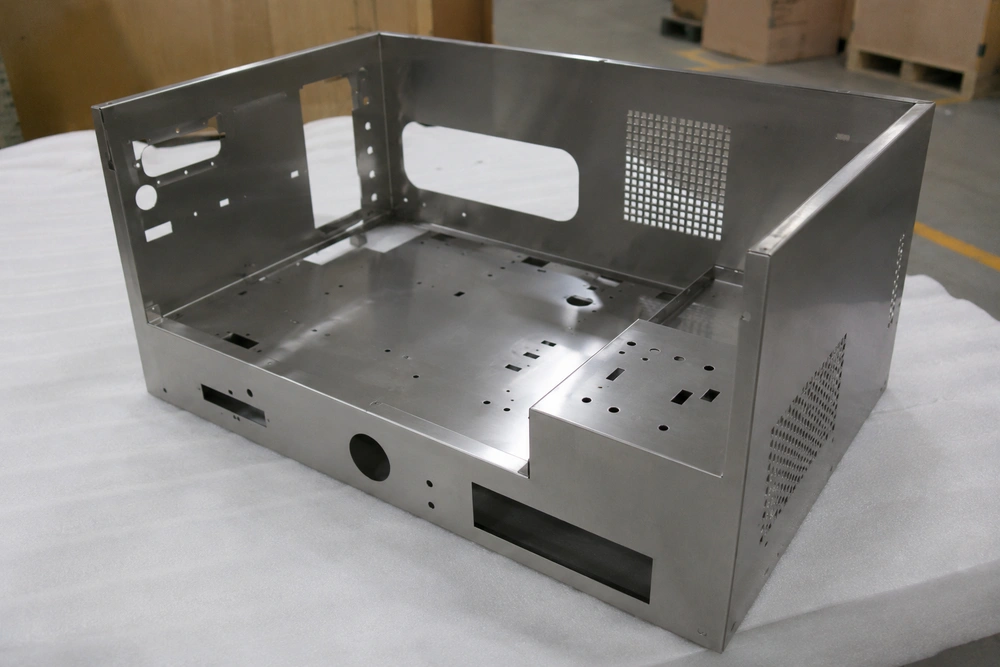
At our company, we offer a range of customized welding solutions for textile factories. Whether you need Customized Mild Steel Welding Fabrication with Powder Coating, Custom Precision Welding Stainless Steel Machine Parts, or Custom Mild Steel Structural Welding Metal Fabrications, we've got you covered.


Our team of experienced welders has the skills and knowledge to handle any welding job, no matter how complex. We use the latest welding techniques and equipment to ensure the highest quality welds.
Conclusion
Welding steel in a textile factory environment can be challenging, but with the right approach, it can be done safely and effectively. By understanding the unique characteristics of the textile factory environment, choosing the right welding method, preparing the steel properly, and following safety precautions, you can achieve great results.
If you're in the textile industry and need steel welding services, don't hesitate to reach out. We're here to help you with all your welding needs. Contact us today to discuss your project and get a quote.
References
- AWS Welding Handbook, American Welding Society
- Welding: Principles and Applications, Larry Jeffus