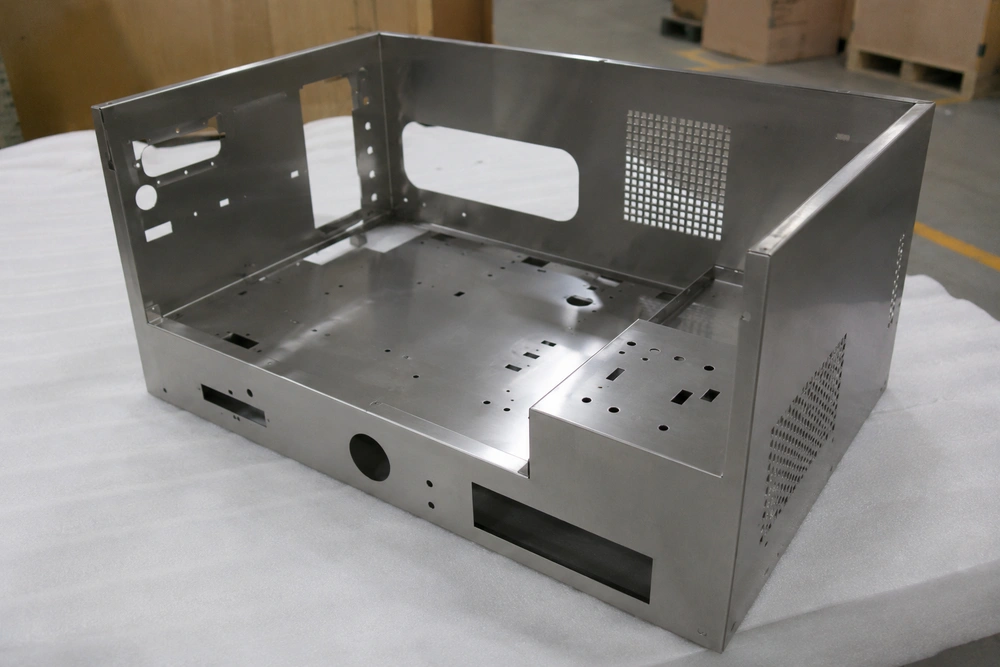

As a supplier of CNC parts, I've encountered a wide range of issues with these precision components. Troubleshooting problems with CNC parts is a critical skill that not only ensures the smooth operation of machinery but also maintains the quality of the final products. In this blog, I'll share some practical steps and insights on how to effectively troubleshoot problems with CNC parts.
Understanding the Basics of CNC Parts
Before diving into troubleshooting, it's essential to have a solid understanding of what CNC parts are and how they function. CNC, or Computer Numerical Control, machining is a manufacturing process in which pre-programmed computer software dictates the movement of factory tools and machinery. CNC parts are the components produced through this process, which can be made from various materials such as metals (aluminum, stainless steel), plastics, and composites. These parts are used in a wide range of industries, including automotive, aerospace, and electronics.
Common Problems with CNC Parts
1. Dimensional Inaccuracies
One of the most common issues with CNC parts is dimensional inaccuracies. This can occur due to several reasons, such as incorrect programming, tool wear, or machine calibration issues. For example, if the cutting tool is worn out, it may not cut the material to the exact dimensions specified in the program. Similarly, if the machine is not properly calibrated, the movement of the tool may deviate from the intended path, resulting in parts that are either too large or too small.
2. Surface Finish Problems
Another common problem is poor surface finish. This can manifest as rough surfaces, tool marks, or uneven textures on the part. Surface finish problems can be caused by factors such as improper cutting parameters (e.g., feed rate, spindle speed), dull cutting tools, or chip evacuation issues. For instance, if the feed rate is too high, the tool may not have enough time to remove the material cleanly, resulting in a rough surface.
3. Tool Breakage
Tool breakage is a significant concern in CNC machining. It can lead to production delays, increased costs, and even damage to the machine or the part being machined. Tool breakage can occur due to excessive cutting forces, improper tool selection, or tool wear. For example, if the cutting tool is not suitable for the material being machined, it may experience excessive stress and break.
4. Material Defects
Material defects can also cause problems with CNC parts. These defects can include cracks, voids, inclusions, or variations in material properties. Material defects can affect the performance and quality of the final part, and may even lead to premature failure. For instance, if a part contains a crack, it may not be able to withstand the intended loads, resulting in failure during use.
Troubleshooting Steps
1. Identify the Problem
The first step in troubleshooting is to accurately identify the problem. This can be done through visual inspection, measurement, and testing. For example, if you suspect dimensional inaccuracies, you can use precision measuring tools such as calipers, micrometers, or coordinate measuring machines (CMMs) to measure the part and compare the results with the design specifications. If you notice surface finish problems, you can visually inspect the part or use a surface roughness tester to quantify the roughness.
2. Analyze the Root Cause
Once the problem has been identified, the next step is to analyze the root cause. This may involve reviewing the machining process, including the programming, tool selection, cutting parameters, and machine settings. You can also check for any signs of tool wear, machine malfunctions, or material defects. For example, if you find that the part has dimensional inaccuracies, you can review the programming to ensure that the correct dimensions are specified. You can also check the cutting tool to see if it is worn out or damaged.
3. Implement Solutions
After identifying the root cause, you can implement solutions to address the problem. This may involve making adjustments to the machining process, such as changing the cutting parameters, replacing the cutting tool, or recalibrating the machine. For example, if you find that the surface finish is poor due to a dull cutting tool, you can replace the tool with a new one. If the dimensional inaccuracies are caused by machine calibration issues, you can recalibrate the machine to ensure accurate movement of the tool.
4. Verify the Results
Once the solutions have been implemented, it's important to verify the results to ensure that the problem has been resolved. This can be done through further inspection, measurement, and testing. For example, you can re-measure the part to ensure that the dimensions are within the specified tolerances, and visually inspect the surface finish to ensure that it meets the requirements. If the problem persists, you may need to repeat the troubleshooting process to identify and address any remaining issues.
Tips for Preventing Problems
1. Use High-Quality Materials
Using high-quality materials is essential for preventing problems with CNC parts. High-quality materials are less likely to have defects, and they can provide better performance and durability. When selecting materials, make sure to choose materials that are suitable for the intended application and machining process. For example, if you are machining parts for automotive applications, you may want to consider using Custom Stainless Steel Aluminium CNC Machine Parts for Automotive, which are specifically designed for the automotive industry and offer excellent strength, corrosion resistance, and machinability.


2. Select the Right Tools
Selecting the right cutting tools is crucial for achieving accurate dimensions and a good surface finish. Make sure to choose tools that are suitable for the material being machined, the machining process, and the desired surface finish. For example, if you are machining aluminum, you may want to use tools with a high rake angle to reduce cutting forces and improve chip evacuation. You can also consider using coated tools to extend tool life and improve performance.
3. Optimize Cutting Parameters
Optimizing the cutting parameters, such as feed rate, spindle speed, and depth of cut, is essential for achieving efficient and accurate machining. The cutting parameters should be selected based on the material being machined, the cutting tool, and the machine capabilities. For example, if you are machining a hard material, you may need to reduce the feed rate and increase the spindle speed to avoid excessive tool wear. You can use cutting parameter calculators or consult with tool manufacturers to determine the optimal cutting parameters for your specific application.
4. Regular Maintenance
Regular maintenance of the CNC machine is essential for preventing problems and ensuring its long-term performance. This includes cleaning the machine, lubricating the moving parts, checking the tool holders and fixtures, and calibrating the machine regularly. By performing regular maintenance, you can detect and address any potential issues before they cause problems with the CNC parts.
Conclusion
Troubleshooting problems with CNC parts is a complex but essential task for ensuring the quality and performance of these precision components. By understanding the common problems, following the troubleshooting steps, and implementing preventive measures, you can minimize the occurrence of problems and improve the efficiency and productivity of your CNC machining operations.
If you are in the market for high-quality CNC machining part used for automotive devices or need Metal Machining Product CNC Parts OEM & ODM Service Factory services, we are here to help. Our team of experienced engineers and technicians can provide you with customized solutions to meet your specific requirements. Contact us today to discuss your needs and explore how we can work together to achieve your goals.
References
- “CNC Machining Handbook.” Industrial Press Inc., 2020.
- “Machining Fundamentals.” Society of Manufacturing Engineers, 2018.
- “Tooling and Machining Solutions.” Sandvik Coromant, 2021.