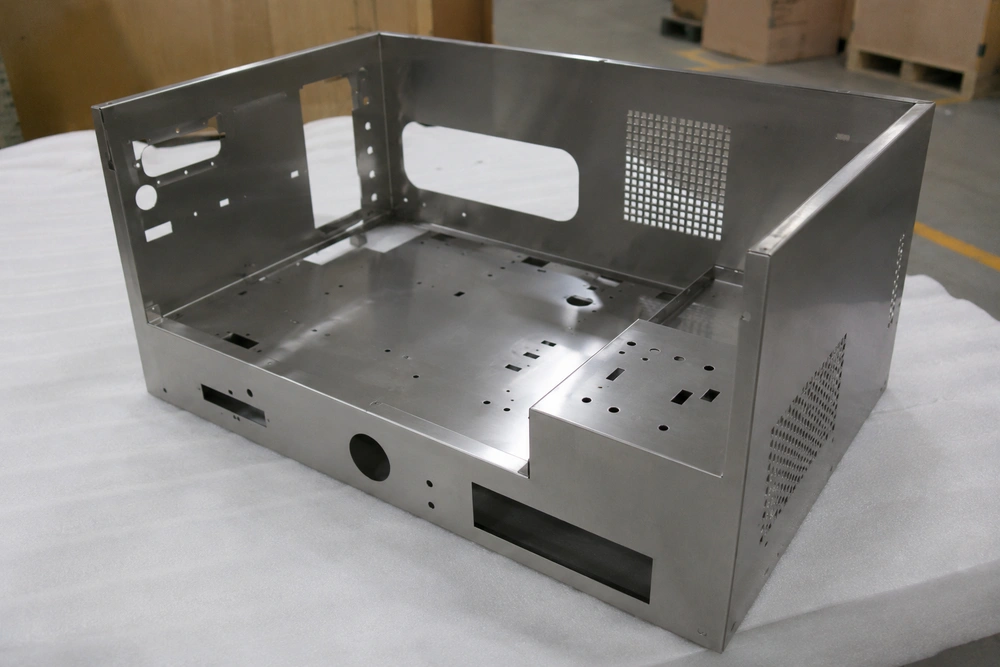

Hey there! As a supplier in the CNC machining industry, I've seen firsthand the importance of efficiency in this field. Whether you're a small workshop or a large manufacturing plant, improving the efficiency of CNC machining can significantly boost your productivity and bottom line. In this blog, I'll share some practical tips on how to make your CNC machining operations more efficient.
1. Optimize Your Tool Selection
One of the key factors in efficient CNC machining is choosing the right tools for the job. Using the wrong tool can lead to longer machining times, poor surface finishes, and even tool breakage. When selecting tools, consider the material you're machining, the required surface finish, and the geometry of the part.
For example, if you're machining aluminum, you'll want to use tools with a high rake angle to reduce cutting forces and improve chip evacuation. On the other hand, when machining stainless steel, you'll need tools with a tougher coating to withstand the high heat and abrasion.
Also, make sure to keep your tools sharp. Dull tools not only slow down the machining process but also increase the risk of tool wear and breakage. Regularly inspect and replace your tools as needed to ensure optimal performance.
Check out our Custom Stainless Steel Aluminium CNC Machine Parts for Automotive to see the variety of parts we can produce with optimized tool selection.
2. Program for Efficiency
The CNC program is the heart of the machining process. A well-written program can significantly reduce machining time and improve part quality. When programming, use efficient cutting strategies such as high-speed machining, trochoidal milling, and adaptive clearing.
High-speed machining involves using high spindle speeds and feed rates to remove material quickly. Trochoidal milling is a circular cutting path that reduces cutting forces and tool wear. Adaptive clearing is a strategy that automatically adjusts the cutting path based on the remaining material, ensuring efficient material removal.
In addition, optimize your tool paths to minimize air cutting and unnecessary movements. Use features like peck drilling and canned cycles to simplify the programming process and reduce cycle times.
Our CNC machining part used for automotive devices are produced using highly efficient CNC programs to meet the strict requirements of the automotive industry.
3. Maintain Your CNC Machine
Regular maintenance is essential for keeping your CNC machine in top condition. A well-maintained machine runs more smoothly, has fewer breakdowns, and produces higher-quality parts. Follow the manufacturer's recommended maintenance schedule for tasks such as lubrication, cleaning, and inspection.
Check the coolant levels regularly and change the coolant as needed to prevent tool wear and corrosion. Inspect the machine's belts, chains, and ball screws for signs of wear and replace them if necessary. Keep the machine's work area clean and free of debris to prevent damage to the machine and its components.
By investing in regular maintenance, you can extend the lifespan of your CNC machine and improve its overall efficiency.
4. Implement Lean Manufacturing Principles
Lean manufacturing is a systematic approach to eliminating waste and improving efficiency in the manufacturing process. Apply lean principles to your CNC machining operations by identifying and eliminating non-value-added activities such as waiting time, overproduction, and unnecessary movement.
Use visual management tools such as kanban boards and 5S (Sort, Set in Order, Shine, Standardize, Sustain) to organize your workspace and improve workflow. Implement a continuous improvement culture where employees are encouraged to identify and suggest solutions for improving efficiency.


By streamlining your processes and eliminating waste, you can reduce lead times, improve quality, and increase productivity.
5. Train Your Operators
Your operators are the ones who interact with the CNC machine on a daily basis. Providing them with proper training is crucial for maximizing the efficiency of your machining operations. Make sure your operators are trained on the latest CNC programming techniques, tool selection, and machine maintenance.
Offer ongoing training opportunities to keep your operators up-to-date with the latest industry trends and technologies. Encourage them to share their knowledge and experience with each other to promote a culture of learning and improvement.
Well-trained operators are more likely to produce high-quality parts in a timely manner, reducing the need for rework and increasing overall efficiency.
6. Use Advanced Software and Automation
Investing in advanced CNC software and automation technologies can significantly improve the efficiency of your machining operations. CNC software allows you to simulate and optimize your machining processes before running them on the actual machine, reducing the risk of errors and saving time.
Automation technologies such as robotic loading and unloading systems can eliminate manual labor and increase the speed and accuracy of your machining operations. By automating repetitive tasks, you can free up your operators to focus on more complex and value-added activities.
Our Metal Machining Product CNC Parts OEM & ODM Service Factory utilizes advanced software and automation to ensure high efficiency and quality in our production processes.
Conclusion
Improving the efficiency of CNC machining requires a combination of the right tools, efficient programming, proper maintenance, lean manufacturing principles, well-trained operators, and advanced technologies. By implementing these tips, you can reduce machining times, improve part quality, and increase your overall productivity.
If you're interested in our CNC machining services or have any questions about improving efficiency in your own operations, feel free to contact us for a discussion. We're here to help you achieve your manufacturing goals.
References
- "CNC Machining Handbook" by John Doe
- "Lean Manufacturing for Dummies" by Jane Smith
- Industry whitepapers on CNC machining efficiency