

Ensuring the stability of fabricated steel structures is a multi - faceted challenge that demands a comprehensive approach from design to end - use. As a reputable Steel Fabrication supplier, we understand the critical importance of stability in steel structures, which are widely used in various industries such as construction, manufacturing, and infrastructure development. In this blog, we will explore the key factors and strategies that can help to guarantee the stable performance of fabricated steel structures.
Design Phase Considerations
Accurate Load Calculation
One of the initial and most crucial steps in ensuring the stability of fabricated steel structures is the accurate calculation of loads. Steel structures are subjected to a variety of loads, including dead loads (the weight of the structure itself), live loads (such as people, furniture, or equipment), wind loads, snow loads, and seismic loads. Each load type has its own characteristics and must be carefully considered.
For instance, in areas prone to high - intensity winds, the wind load calculation should account for the shape and size of the structure, the local wind speed, and the terrain conditions. By using advanced engineering software and following industry - recognized design codes, we can precisely determine the magnitude and distribution of these loads. This information is then used to design the steel members and connections with sufficient strength and stiffness to withstand the anticipated loads.
Appropriate Structural Configuration
The choice of structural configuration can significantly impact the stability of fabricated steel structures. Common configurations include trusses, frames, and arches. Trusses are often used for span structures such as bridges and large - span roofs. They distribute loads efficiently through the triangular elements, which helps to reduce the bending moments in the members.

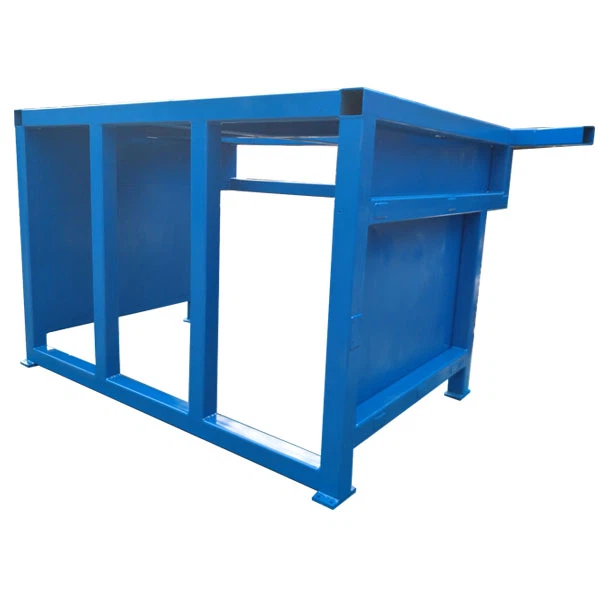
Frames, on the other hand, are suitable for building structures. Rigid frames can provide good lateral stability by transferring the horizontal loads (such as wind and seismic forces) to the foundation. The layout of columns and beams in a frame structure should be carefully planned to ensure uniform load distribution and prevent excessive stress concentrations.
Arches are ideal for large - span covered spaces. Their curved shape allows the structure to transfer loads in compression, which can be more efficient in terms of material utilization. When designing an arch - type steel structure, the radius of curvature, the rise - to - span ratio, and the connection details need to be optimized to ensure overall stability.
Material Selection and Quality Control
High - Quality Steel Grades
The choice of steel grade is fundamental to the stability of fabricated steel structures. Different steel grades have different mechanical properties, including yield strength, ultimate strength, and ductility. For structures that are subjected to heavy loads or extreme environmental conditions, high - strength steel grades such as ASTM A572 Grade 50 or higher may be required.
These high - strength steels can provide higher load - carrying capacity while reducing the cross - sectional area of the members, which can lead to more economical and efficient designs. However, it is important to note that high - strength steels may also have different corrosion resistance and welding requirements compared to mild steels. Therefore, comprehensive consideration of the service environment and detailed design requirements is necessary when selecting the appropriate steel grade.
Stringent Material Inspection
To ensure the quality of the steel used in the fabrication process, strict material inspection procedures must be implemented. This includes checking the material certificates provided by the steel manufacturers to verify the chemical composition and mechanical properties of the steel. In - house laboratory testing can also be conducted to cross - check the data, such as tensile tests, hardness tests, and impact tests.
Visual inspection of the steel surface is also crucial to detect any surface defects, such as cracks, laminations, or rust. Defective materials should be immediately rejected to prevent potential weak points in the fabricated steel structure. As a supplier, we adhere to the highest quality standards and have a dedicated quality control team to oversee all material inspections.
Fabrication Process and Welding Quality
Precision Fabrication
During the fabrication process, precision is of utmost importance. The cutting, bending, and shaping of steel members must be carried out with high accuracy to ensure that the dimensions and tolerances meet the design requirements. Computer - Numerical - Control (CNC) machining techniques can be used to achieve high - precision fabrication, reducing the margin of error and ensuring the proper fit of different components.
For example, when fabricating steel beams or columns, the cutting of the steel plates should be precise to ensure the correct cross - sectional dimensions. Any deviation in the dimensions can lead to misalignment during the assembly process, which may affect the overall stability of the structure. We are equipped with state - of - the - art fabrication facilities and experienced technicians to ensure precision in every step of the fabrication process.
High - Quality Welding
Welding is a critical process in the fabrication of steel structures, as it joins the individual components together to form a unified whole. The quality of the welds directly affects the strength and stability of the structure. Two commonly used welding methods in steel fabrication are MIG (Metal Inert Gas) and TIG (Tungsten Inert Gas) welding.
MIG welding is known for its high welding speed and efficiency, making it suitable for welding thick steel plates. TIG welding, on the other hand, offers better control over the weld bead and is often used for thinner materials or when high - quality welds are required. To ensure high - quality welds, proper welding parameters, such as welding current, voltage, and welding speed, must be carefully selected.
Welders should also be certified and have sufficient experience to perform the welding operations. Post - weld inspection, including non - destructive testing methods such as ultrasonic testing and magnetic particle testing, should be carried out to detect any internal or surface defects in the welds. For more information on our high - quality welding services, you can visit Strong MIG TIG Welding Structural Steel Fabricators Customized.
Assembly and Installation
Proper Assembly Sequence
When assembling fabricated steel structures on - site, following the correct assembly sequence is essential. This helps to ensure that the structure maintains its stability during the construction process. For example, when assembling a steel frame building, the columns are usually installed first, followed by the beams and then the bracing members.
The assembly sequence should be carefully planned based on the structural design and the site conditions. Temporary support structures may be required during the assembly process to prevent the structure from collapsing or being deformed. Our team of experts provides detailed assembly instructions to ensure that the on - site workers can carry out the assembly process safely and correctly.
Precise Installation and Alignment
Accurate installation and alignment of the steel components are crucial for the long - term stability of the structure. The columns should be installed vertically, and the beams should be leveled and properly connected to the columns. Any misalignment can lead to uneven load distribution and increased stress in certain parts of the structure.
During the installation process, the use of surveying equipment such as total stations and levels can help to ensure the precise positioning of the components. Regular checks and adjustments should be made to correct any deviations from the design specifications.
Maintenance and Monitoring
Regular Maintenance
Even after the successful installation of a fabricated steel structure, regular maintenance is necessary to ensure its long - term stability. This includes inspecting the structure for signs of corrosion, damage, or deformation. Corrosion can significantly reduce the strength of the steel members, so protective coatings should be regularly inspected and reapplied if necessary.
Any loose connections or bolts should be tightened, and any damaged parts should be repaired or replaced promptly. A scheduled maintenance plan can help to ensure that all maintenance tasks are carried out in a timely and systematic manner.
Structural Monitoring
In addition to regular maintenance, structural monitoring can provide real - time information about the performance of the steel structure. This can involve the use of sensors to measure parameters such as strain, displacement, and vibration. By analyzing the data collected from these sensors, potential problems can be detected early, allowing for timely intervention.
For example, if the strain sensors detect abnormal stress levels in a particular area of the structure, it may indicate a potential weak point or over - loading situation. Structural monitoring can be particularly useful for large - scale and critical steel structures, such as bridges and high - rise buildings.
As a leading Steel Fabrication supplier, we offer a wide range of Custom Stainless Steel Products and Steel Fabrication Work and Custom Made Structural Steel Plate Fabricators in China. We are committed to providing high - quality steel structures with excellent stability. If you are interested in our products or services, we welcome you to contact us for procurement discussions. Our team of experts will be happy to assist you in finding the best solutions for your specific needs.
References
- Dong, S., & Tao, Z. (Eds.). (2018). Advanced Steel Structures. CRC Press.
- Ozgun, H. K., & Chowdhury, I. H. (2005). Steel Structures: Design and Behavior. Prentice Hall.
- American Institute of Steel Construction (AISC). (2017). Specification for Structural Steel Buildings.


