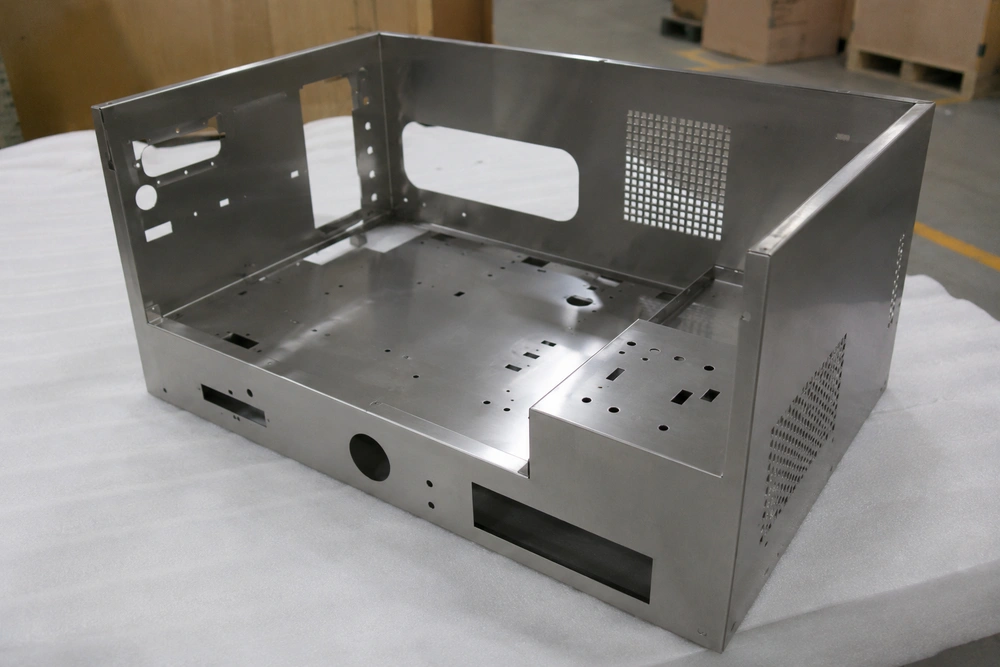

Hey there! As a supplier in the metal bending business, I'm super stoked to dive into how metal bending works with metal mesh. Metal mesh is a unique material, and understanding how to bend it properly can open up a whole world of possibilities for various industries.
First off, let's talk about what metal mesh is. It's basically a network of metal wires or strips that are woven, welded, or otherwise joined together to form a grid-like structure. This structure gives metal mesh its strength and flexibility, making it suitable for a wide range of applications, from industrial filters to decorative elements.
When it comes to metal bending, the process with metal mesh is a bit different compared to solid metal sheets. One of the key factors to consider is the mesh pattern. Different mesh patterns have different levels of flexibility and resistance to bending. For example, a fine mesh with small openings might be more difficult to bend without distorting the pattern, while a coarser mesh with larger openings can be more forgiving.
Another important aspect is the type of metal used in the mesh. Common metals for mesh include stainless steel, aluminum, and copper, each with its own properties. Stainless steel is known for its strength and corrosion resistance, making it a popular choice for outdoor applications. Aluminum, on the other hand, is lightweight and easy to work with, which is great for projects where weight is a concern. Copper has excellent electrical conductivity and a unique aesthetic, often used in decorative and electrical applications.
Now, let's get into the actual bending process. There are a few methods we use to bend metal mesh, and the choice depends on the specific requirements of the project. One common method is using a brake press. A brake press is a machine that uses a die and a punch to bend the metal. It's a precise and efficient way to bend metal mesh, especially for large-scale production. You can check out Custom CNC Precise Brake Press for Machinery Sheet Metal Parts for more info on the high - tech brake presses we offer.
For more complex bends or smaller projects, we might use CNC machining. CNC (Computer Numerical Control) machining allows us to program the bending process with high precision. This means we can create custom bends and shapes according to the customer's exact specifications. If you're interested in CNC machining for metal mesh bending, take a look at CNC Machining Precise Sheet Metal Bending Manufacturer in China.
When bending metal mesh, we also need to pay attention to the bend radius. The bend radius is the distance from the center of the bend to the inside edge of the mesh. A smaller bend radius can create a more dramatic bend, but it also puts more stress on the mesh, which could potentially cause the wires to break or the pattern to distort. So, finding the right balance is crucial.
Another factor is the pre - treatment of the metal mesh. Sometimes, we might need to anneal the mesh before bending. Annealing is a heat - treatment process that softens the metal, making it more malleable. This can be especially useful for metals like stainless steel, which can be quite tough.
Let's talk about some of the challenges we face when bending metal mesh. One of the main challenges is maintaining the integrity of the mesh pattern. As I mentioned earlier, different mesh patterns react differently to bending. We need to make sure that the pattern remains consistent throughout the bend, especially for applications where the appearance of the mesh is important, like in architectural or decorative projects.


Another challenge is dealing with the edges of the mesh. When bending, the edges can be prone to fraying or becoming uneven. To overcome this, we often use techniques like edge rolling or welding to reinforce the edges and give them a clean, finished look.
Now, let's look at some of the applications of bent metal mesh. In the industrial sector, bent metal mesh is used for filtration systems. The bent mesh can be shaped to fit specific filter housings, providing efficient filtration for liquids and gases. In architecture, it can be used for facades, partitions, and screening. The unique patterns and shapes of bent metal mesh can add a modern and stylish touch to buildings.
In the automotive industry, bent metal mesh is used for radiator grilles, air intake screens, and other components. The ability to bend the mesh into complex shapes allows for better aerodynamics and a more customized look.
If you're in the market for bent metal mesh products or services, we're here to help. We have the expertise and the state - of - the - art equipment to handle all your metal bending needs, whether it's a small custom project or a large - scale production run. Just reach out to us, and we can start discussing your requirements.
In conclusion, metal bending with metal mesh is a fascinating process that combines science, technology, and art. By understanding the properties of the mesh, choosing the right bending method, and overcoming the challenges, we can create high - quality bent metal mesh products for a wide range of applications. Whether you're an architect looking for a unique decorative element or an industrial manufacturer in need of efficient filtration solutions, we've got you covered. So, don't hesitate to contact us for all your metal bending requirements.
References
- General knowledge of metalworking and metal bending processes from industry experience.
- Technical specifications and information from machinery manufacturers related to brake presses and CNC machining equipment.