
Hey there! As a supplier of cutting lasers, I often get asked about how automotive part cutting lasers work. It's a fascinating topic, and I'm excited to share some insights with you.
The Basics of Laser Cutting
Let's start with the basics. A laser is a device that emits a highly concentrated beam of light. In the context of automotive part cutting, this beam is used to precisely cut through various materials, such as steel, aluminum, and even some plastics. The key advantage of using a laser for cutting is its high precision and ability to cut complex shapes with ease.
The process begins with a laser resonator, which is the heart of the laser cutting system. This resonator generates the laser beam by exciting a medium, usually a gas or a solid-state material. When the medium is excited, it releases photons, which are then amplified to create a powerful laser beam.
How the Laser Beam Cuts
Once the laser beam is generated, it is directed towards the material to be cut. The beam is focused through a lens, which concentrates the light energy onto a very small area of the material. This intense concentration of energy heats the material to its melting or vaporization point.
As the material melts or vaporizes, a high-pressure gas, such as oxygen or nitrogen, is blown through a nozzle at the cutting point. This gas helps to remove the molten or vaporized material from the cut, creating a clean and precise edge. The combination of the laser beam and the high-pressure gas is what allows for such accurate and efficient cutting.

Types of Lasers Used in Automotive Part Cutting
There are several types of lasers that are commonly used in automotive part cutting. The most popular ones include CO2 lasers, fiber lasers, and Nd:YAG lasers.
- CO2 Lasers: These lasers use a mixture of carbon dioxide, nitrogen, and helium as the lasing medium. CO2 lasers are known for their high power and ability to cut a wide range of materials, including thick metals. They are often used for cutting large automotive parts, such as body panels and frames.
- Fiber Lasers: Fiber lasers use a fiber optic cable as the lasing medium. They are more energy-efficient and have a longer lifespan compared to CO2 lasers. Fiber lasers are particularly well-suited for cutting thin metals and are often used for precision cutting of small automotive components, such as gears and brackets.
- Nd:YAG Lasers: Nd:YAG lasers use a neodymium-doped yttrium aluminum garnet crystal as the lasing medium. They are capable of producing high-energy pulses, which makes them ideal for cutting hard and brittle materials. Nd:YAG lasers are commonly used for cutting ceramics and other non-metallic materials in automotive applications.
Advantages of Using Laser Cutting in the Automotive Industry
The automotive industry has embraced laser cutting technology for several reasons. Here are some of the key advantages:
- High Precision: Laser cutting allows for extremely precise cuts, with tolerances as small as a few thousandths of an inch. This level of precision is crucial for ensuring the proper fit and function of automotive parts.
- Complex Shapes: Lasers can cut complex shapes and patterns that would be difficult or impossible to achieve with traditional cutting methods. This flexibility allows automotive designers to create innovative and aerodynamic parts.
- Clean Cuts: Laser cutting produces clean, burr-free edges, which reduces the need for additional finishing operations. This saves time and money in the manufacturing process.
- High Speed: Laser cutting is a fast process, which allows for high-volume production. This is essential for meeting the demands of the automotive industry.
- Minimal Material Waste: Since laser cutting is a non-contact process, there is minimal material waste. This makes it a more environmentally friendly and cost-effective option.
Applications of Automotive Part Cutting Lasers
Automotive part cutting lasers are used in a wide range of applications, including:
- Body Panels: Laser cutting is used to cut the various panels that make up the body of a vehicle. This includes doors, hoods, fenders, and roofs.
- Chassis Components: Lasers are used to cut the frame and other chassis components of a vehicle. This ensures the structural integrity and safety of the vehicle.
- Engine Parts: Laser cutting is used to manufacture engine components, such as pistons, valves, and cylinder heads. The high precision of laser cutting helps to improve the performance and efficiency of the engine.
- Interior Components: Lasers are used to cut and shape interior components, such as dashboards, seats, and door panels. This allows for the creation of custom and high-quality interiors.
Our Cutting Laser Solutions
At our company, we offer a range of cutting lasers that are specifically designed for automotive part cutting. Our lasers are known for their high precision, reliability, and efficiency.
We have a variety of models to choose from, depending on your specific needs and requirements. Whether you need a high-power CO2 laser for cutting thick metals or a fiber laser for precision cutting of small components, we have the right solution for you.
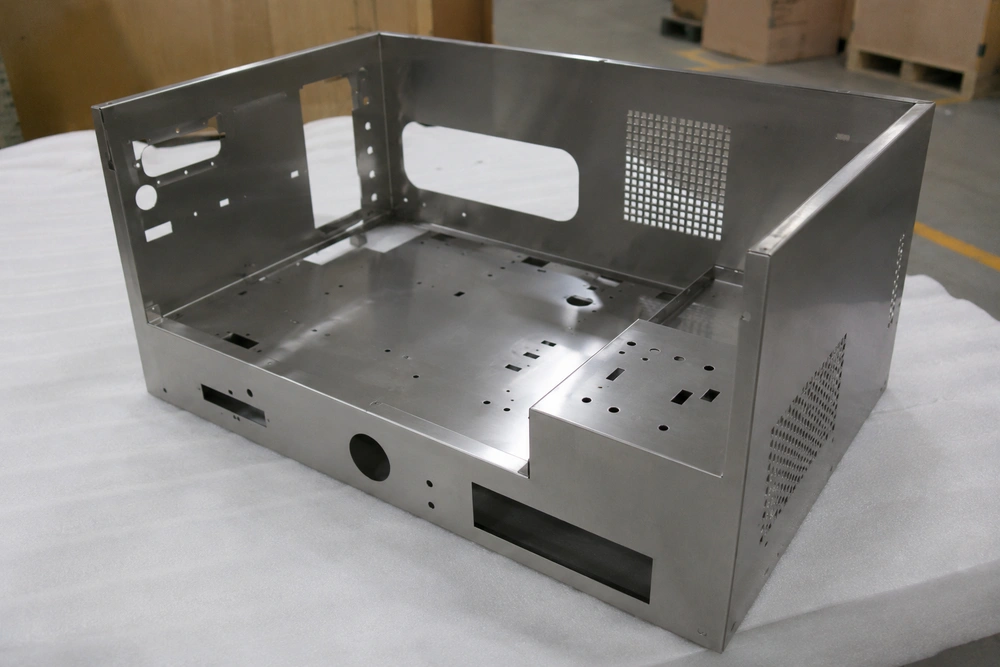
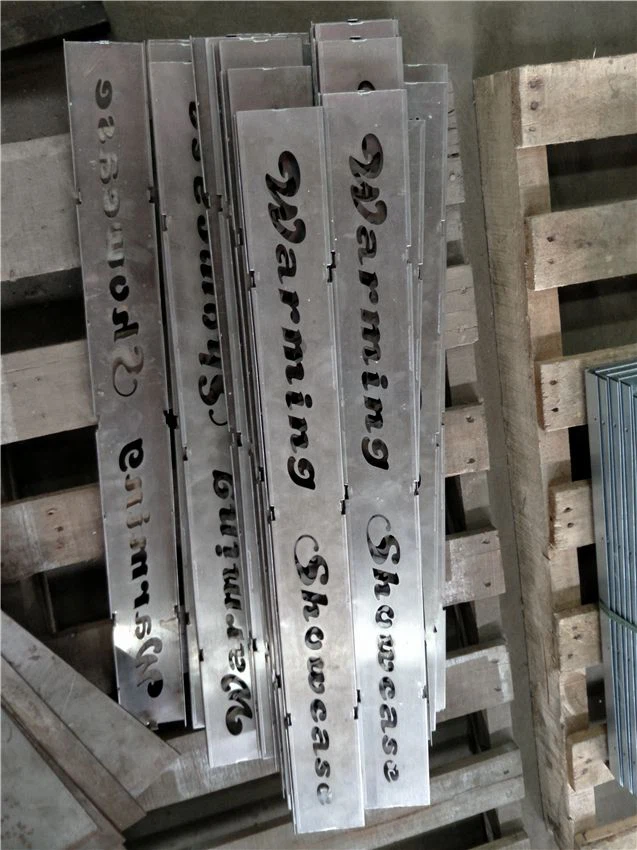
Some of our popular products include the High Precision 5mm Carbon Steel Cut Custom Laser Cut Steel, the Custom High Precision Stainless Steel or Carbon Steel Cutting Laser, and the Custom Logo Laser Cut Metal Good Quality. These products are designed to meet the highest standards of quality and performance in the automotive industry.
Contact Us for Your Cutting Laser Needs
If you're in the automotive industry and looking for a reliable cutting laser supplier, we'd love to hear from you. Our team of experts can help you choose the right laser for your specific application and provide you with all the support and training you need to get the most out of your investment.
Whether you're a small shop looking to upgrade your cutting capabilities or a large automotive manufacturer in need of high-volume production solutions, we have the experience and expertise to meet your needs. So, don't hesitate to reach out and start a conversation with us. We're here to help you take your automotive part cutting to the next level.
References
- "Laser Cutting Technology: Principles and Applications" by John Doe
- "Automotive Manufacturing: Processes and Technologies" by Jane Smith
- "Advanced Laser Materials Processing" by Robert Johnson