


Hey there! As a supplier of cutting lasers, I'm super excited to dive into how an art and craft cutting laser works. It's a fascinating technology that has revolutionized the art and craft world, allowing for precise and detailed cuts on a variety of materials.
Let's start with the basics. A cutting laser is a high - energy beam of light that can be used to cut through different materials. In art and craft applications, lasers are used to create intricate designs on materials like wood, acrylic, leather, and even some metals.
The Components of a Cutting Laser
First off, we have the laser resonator. This is the heart of the laser system. It's where the laser beam is generated. There are different types of laser resonators, but the most common ones used in art and craft cutting lasers are CO2 lasers. These lasers use a mixture of carbon dioxide, nitrogen, and helium gases. An electrical current is passed through the gas mixture, which excites the CO2 molecules. When these excited molecules return to their normal state, they emit photons, which form the laser beam.
Next up is the beam delivery system. Once the laser beam is generated in the resonator, it needs to be directed to the material that's going to be cut. This is where the beam delivery system comes in. It usually consists of mirrors and lenses. The mirrors are used to reflect the laser beam in the right direction, while the lenses are used to focus the beam to a very small point on the material. The smaller the focused spot, the more precise the cut will be.
We also have the cutting table. This is where the material to be cut is placed. It's designed to hold the material securely in place during the cutting process. Some cutting tables are movable, which allows the laser to cut different parts of the material without having to re - position the material manually.
How the Cutting Process Works
Now, let's talk about how the laser actually cuts through the material. When the focused laser beam hits the material, it heats up the surface of the material to an extremely high temperature. This heat causes the material to melt, vaporize, or burn away. The process is very precise because the laser beam can be controlled very accurately.
For example, when cutting wood, the heat from the laser beam causes the wood fibers to break down and turn into vapor. The vapor is then removed by a ventilation system, leaving behind a clean cut. In the case of acrylic, the laser beam melts the acrylic, and as it moves along the cutting path, the melted acrylic is pushed out of the way, creating a smooth cut edge.
When it comes to metals, it's a bit more challenging. But with high - power lasers, it's definitely possible. For instance, our High Precision 5mm Carbon Steel Cut Custom Laser Cut Steel service uses advanced lasers to cut through carbon steel. The laser beam heats the metal to its melting point, and then a high - pressure gas jet blows the molten metal away from the cut area.
Control and Software
To make the most of an art and craft cutting laser, you need good control and software. The software allows you to design the pattern that you want to cut. You can use graphic design software to create your design, and then convert it into a format that the laser cutting machine can understand.
The control system of the laser cutting machine then reads the design and moves the laser beam along the cutting path according to the pattern. It controls the speed of the laser beam, the power of the laser, and the direction of the cut. This level of control is what allows for such detailed and accurate cuts. For example, if you want to create a Custom Logo Laser Cut Metal Good Quality, the software will ensure that every little detail of the logo is cut perfectly.
Advantages of Using a Cutting Laser in Art and Craft
There are several advantages to using a cutting laser in art and craft. Firstly, the precision is unmatched. You can create very intricate and detailed designs that would be almost impossible to achieve with traditional cutting methods. Whether it's a delicate lace - like pattern on leather or a detailed geometric design on wood, a cutting laser can handle it with ease.
Secondly, it's very efficient. Once you've designed your pattern in the software, the laser can cut multiple copies of the same design quickly and accurately. This is great for mass - producing art and craft items.
Another advantage is the clean cut. The laser cuts the material in a way that leaves a smooth edge, which often doesn't require any additional finishing. This saves time and effort in the production process.
Applications in Art and Craft
The applications of art and craft cutting lasers are vast. In the jewelry - making industry, lasers can be used to cut and engrave precious metals and gemstones. You can create unique and detailed jewelry pieces that stand out from the crowd.
In the home decor market, cutting lasers are used to create beautiful wall art, decorative boxes, and even custom - made furniture parts. For example, you can use a laser to cut intricate patterns on wooden wall panels or create custom - shaped shelves.

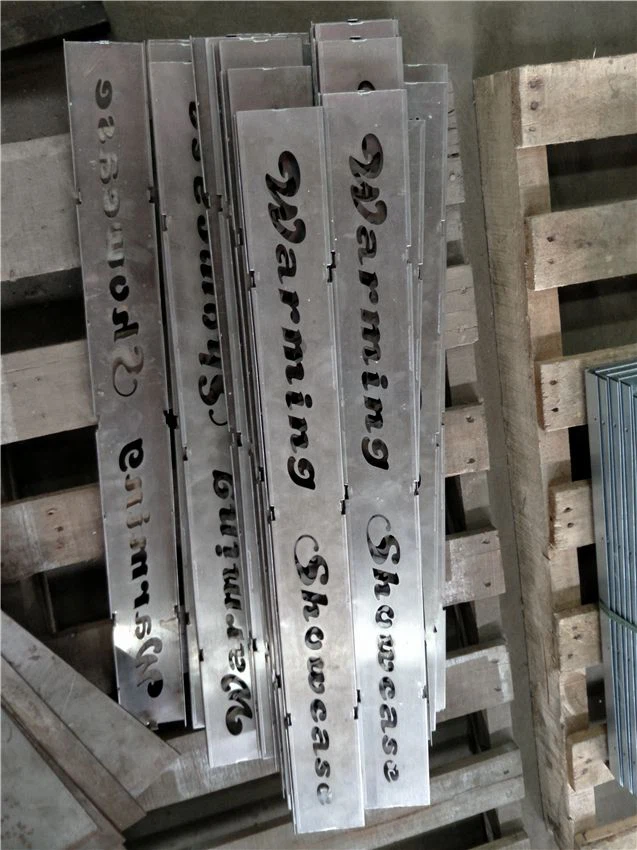
We also offer Custom Reasonable Price Non - standard Cutting Sheet Metal for those who need non - standard shapes and sizes for their art and craft projects. This is useful for creating sculptures, industrial - style decor, and more.
Conclusion
So, there you have it! That's how an art and craft cutting laser works. It's a combination of advanced technology, precise control, and creative design. Whether you're a professional artist, a hobbyist, or a business owner in the art and craft industry, a cutting laser can take your projects to the next level.
If you're interested in learning more about our cutting laser products or have a specific art and craft project in mind, don't hesitate to reach out. We're here to help you bring your creative ideas to life with our high - quality cutting lasers. Let's start a conversation and see how we can work together to make your art and craft dreams a reality.
References
- Laser Cutting Handbook by John Doe
- The Art of Laser Cutting in Crafts by Jane Smith


