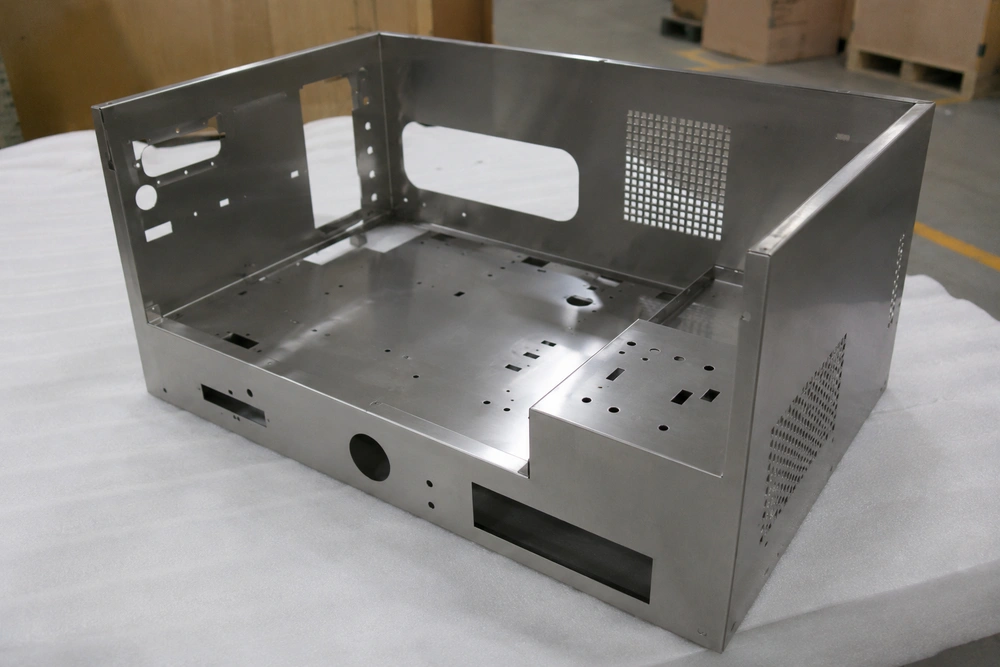

As a supplier of CNC parts, I often encounter inquiries from customers regarding the installation procedures of these precision components. The question "Do CNC parts require special installation procedures?" is not only common but also crucial for ensuring the optimal performance and longevity of the equipment they are integrated into. In this blog, I will delve into this topic, exploring the factors that determine whether special installation procedures are necessary and providing insights based on my experience in the industry.
Understanding CNC Parts
CNC, or Computer Numerical Control, parts are manufactured using advanced machining techniques that allow for high precision and accuracy. These parts are used in a wide range of industries, including automotive, aerospace, electronics, and medical devices. The materials used for CNC parts can vary from metals such as aluminum, steel, and titanium to plastics and composites. Each material has its own unique properties that can influence the installation process.
CNC parts are often custom-made to meet the specific requirements of a particular application. This means that they may have complex geometries, tight tolerances, and specialized surface finishes. For example, CNC machining part used for automotive devices may need to fit precisely within the engine or transmission system to ensure proper functionality and prevent leaks or vibrations. Similarly, Custom High precision Aluminum Alloy CNC Machining Aluminium Machining parts used in electronic devices may require careful handling to avoid damage to delicate components.
Factors Influencing Installation Procedures
Several factors can determine whether CNC parts require special installation procedures. These factors include the design of the part, the material it is made of, the application it is intended for, and the environment in which it will be installed.


Design Complexity
Parts with complex designs, such as those with intricate shapes, multiple holes, or internal features, may require special tools and techniques for installation. For example, a CNC-machined gear with a custom tooth profile may need to be installed with a specific alignment to ensure smooth operation and prevent premature wear. In some cases, specialized jigs or fixtures may be required to hold the part in place during installation.
Material Properties
The material of the CNC part can also affect the installation process. For instance, parts made of brittle materials like ceramics or certain plastics may require more careful handling to avoid cracking or breaking. On the other hand, parts made of soft metals like aluminum may be more prone to deformation if excessive force is applied during installation. Additionally, some materials may require specific surface treatments or coatings to enhance their performance or prevent corrosion, which can also impact the installation process.
Application Requirements
The application for which the CNC part is intended plays a significant role in determining the installation procedures. For example, parts used in high-speed rotating machinery, such as turbines or motors, may need to be balanced to prevent vibrations and ensure smooth operation. Parts used in medical devices may need to be sterilized before installation to meet strict hygiene standards. In the automotive industry, parts may need to be installed in a specific sequence to ensure proper assembly and functionality of the vehicle.
Environmental Conditions
The environment in which the CNC part will be installed can also influence the installation process. For example, parts installed in harsh environments, such as those exposed to high temperatures, chemicals, or moisture, may require additional protection or sealing to prevent damage. In outdoor applications, parts may need to be installed with proper weatherproofing to ensure long-term durability.
Special Installation Procedures
In many cases, CNC parts do require special installation procedures to ensure their proper functioning and longevity. These procedures can range from simple steps, such as cleaning and lubricating the part before installation, to more complex processes, such as using specialized tools or following a specific alignment procedure.
Cleaning and Preparation
Before installing a CNC part, it is essential to clean it thoroughly to remove any dirt, debris, or machining residues. This can help prevent contamination and ensure a proper fit. Depending on the material and application, different cleaning methods may be used, such as solvent cleaning, ultrasonic cleaning, or steam cleaning. Additionally, some parts may require lubrication to reduce friction and wear during operation.
Alignment and Calibration
Proper alignment and calibration are crucial for the performance of CNC parts, especially those used in precision machinery. This may involve using alignment tools, such as lasers or dial indicators, to ensure that the part is installed in the correct position and orientation. In some cases, calibration may be required to adjust the part's performance parameters, such as its speed, torque, or accuracy.
Torque and Fastening
When installing CNC parts, it is important to use the correct torque values for fastening bolts, nuts, and other fasteners. Over-tightening can cause damage to the part or the surrounding components, while under-tightening can lead to loose connections and potential failure. Torque wrenches or other torque control devices should be used to ensure that the fasteners are tightened to the specified values.
Sealing and Gasketing
In applications where fluid or gas sealing is required, proper sealing and gasketing techniques must be used. This may involve using gaskets, O-rings, or sealants to prevent leaks and ensure a tight seal. The type of sealing material used will depend on the application and the fluid or gas being sealed.
Importance of Following Special Installation Procedures
Following special installation procedures is crucial for several reasons. Firstly, it ensures the proper functioning of the CNC part and the equipment it is integrated into. Incorrect installation can lead to premature wear, reduced performance, and even complete failure of the part or the system. Secondly, it helps to prevent safety hazards, such as leaks, vibrations, or electrical malfunctions, which can pose a risk to operators and the surrounding environment. Finally, following the recommended installation procedures can also help to extend the lifespan of the CNC part and reduce maintenance costs.
Contact for Procurement and Consultation
If you are in need of high-quality CNC parts or have questions about their installation procedures, Metal Machining Product CNC Parts OEM & ODM Service Factory is here to assist you. Our team of experienced engineers and technicians can provide you with the expertise and support you need to ensure the successful installation and operation of our CNC parts. Whether you require custom-designed parts or standard components, we can offer you a wide range of options to meet your specific requirements.
We understand that every application is unique, and we are committed to providing personalized solutions to our customers. If you have any questions or would like to discuss your project in more detail, please do not hesitate to contact us. We look forward to working with you and helping you achieve your goals.
References
- Groover, M. P. (2010). Fundamentals of Modern Manufacturing: Materials, Processes, and Systems. Wiley.
- Kalpakjian, S., & Schmid, S. R. (2014). Manufacturing Engineering and Technology. Pearson.
- ASME Y14.5-2009. Dimensioning and Tolerancing. American Society of Mechanical Engineers.