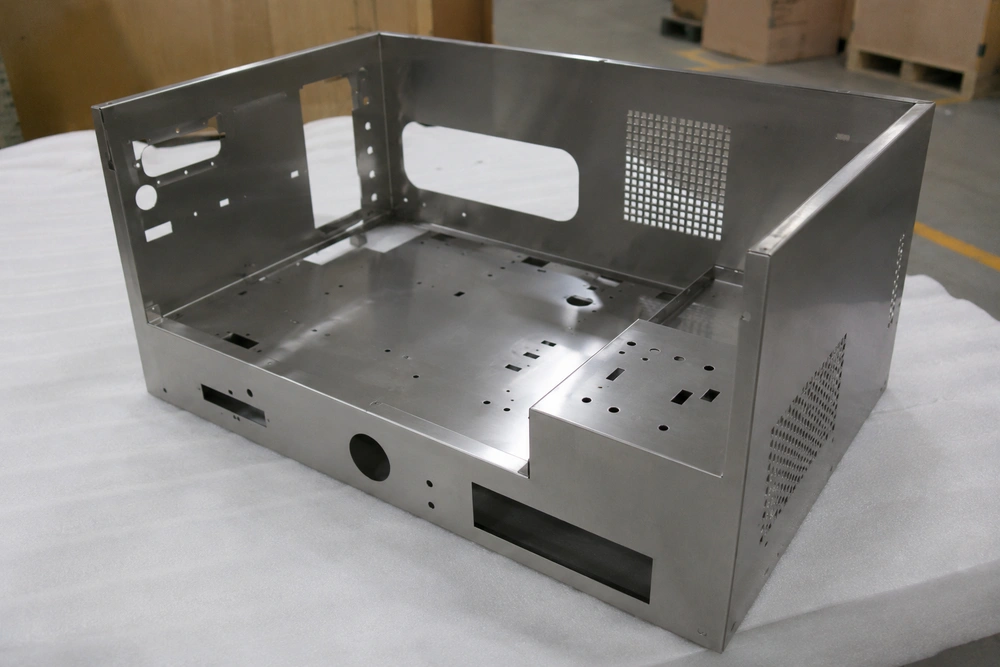

In the dynamic world of industrial manufacturing, the role of Original Equipment Manufacturer (OEM) CNC parts has become increasingly significant. As a seasoned supplier of OEM CNC parts, I've witnessed firsthand the transformative impact these precision - crafted components can have across various industries. One such industry that stands to benefit greatly from OEM CNC parts is the textile machinery sector. This blog post aims to explore the viability and advantages of using OEM CNC parts in textile machinery.
The Precision and Customization of OEM CNC Parts
CNC (Computer Numerical Control) machining is a manufacturing process in which pre - programmed computer software dictates the movement of factory tools and machinery. This technology allows for the production of highly precise parts with tight tolerances. As an OEM CNC parts supplier, we have the ability to create custom - designed components tailored to the specific needs of textile machinery.
The textile industry has a wide range of machinery, from spinning machines to weaving looms and dyeing equipment. Each of these machines has unique requirements in terms of part dimensions, material properties, and surface finishes. With CNC machining, we can produce parts with extremely high precision, ensuring a perfect fit and optimal performance within the textile machinery. For example, gears and cams used in spinning machines need to have precise tooth profiles and diameters to ensure smooth and efficient operation. Our CNC machining capabilities enable us to meet these exacting standards.
The customization aspect of OEM CNC parts is another major advantage. Textile machinery manufacturers often need parts that are not available off - the - shelf. By working with an OEM CNC parts supplier, they can get parts designed and manufactured according to their specific blueprints. Whether it's a custom - shaped bracket for a weaving loom or a specialized spindle for a knitting machine, we can create these parts using a variety of materials, including metals like aluminum, steel, and stainless steel.


Material Selection for Textile Machinery Parts
The choice of material for CNC - machined parts in textile machinery is crucial. Different parts of textile machines are exposed to various stresses, temperatures, and chemical environments. As an OEM CNC parts supplier, we offer a wide range of materials to meet these diverse requirements.
Aluminum is a popular choice for many textile machinery parts. It is lightweight, which reduces the overall weight of the machine and energy consumption. At the same time, aluminum has good corrosion resistance, making it suitable for parts that may come into contact with moisture or chemicals during the textile manufacturing process. You can learn more about our Custom High precision Aluminum Alloy CNC Machining Aluminium Machining.
Stainless steel is another excellent material option. It has high strength and is highly resistant to corrosion, wear, and heat. Parts such as shafts, valves, and fasteners in textile machinery can benefit from the use of stainless steel. Our Custom Stainless Steel Aluminium CNC Machine Parts for Automotive can also be adapted for use in textile machinery, given the similar requirements for durability and precision.
Quality and Consistency
One of the key concerns in the textile industry is the quality and consistency of production. Faulty or inconsistent parts in textile machinery can lead to production delays, defective products, and increased maintenance costs. As an OEM CNC parts supplier, we understand the importance of quality control.
Our CNC machining processes are highly automated, which reduces the risk of human error and ensures consistent part quality. Each part undergoes rigorous inspection using advanced measuring equipment to ensure that it meets the specified dimensions and quality standards. This consistency is essential for the reliable operation of textile machinery. For instance, in a large - scale textile production facility, having consistent parts in multiple machines ensures uniform production output across the entire production line.
Compatibility with Existing Textile Machinery
A significant advantage of using OEM CNC parts in textile machinery is their compatibility with existing equipment. Many textile manufacturers have a fleet of older machines that are still in good working condition but may require replacement parts. Our OEM CNC parts can be designed to be fully compatible with these older machines.
By reverse - engineering and analyzing the existing parts, we can create new CNC - machined components that fit seamlessly into the old machinery. This not only extends the lifespan of the textile machines but also saves the manufacturers from the high cost of purchasing new equipment. For example, if a dyeing machine has a worn - out pump impeller, we can create a new impeller using CNC machining that will work perfectly with the existing pump housing and motor.
Applications in Different Textile Machinery
OEM CNC parts find a wide range of applications in various types of textile machinery.
In spinning machines, CNC - machined parts such as drafting rollers, spindles, and gears play a crucial role in the yarn - making process. These parts need to be highly precise to ensure the uniform thickness and quality of the yarn. Our CNC machining part used for automotive devices also share some similarities in terms of precision requirements, and the expertise we've gained in automotive - related CNC machining can be effectively applied to textile spinning machine parts.
Weaving looms rely on CNC - machined parts like heddles, reeds, and shuttles. These parts need to be strong, lightweight, and precisely engineered to enable the efficient interlacing of warp and weft threads. The use of high - quality OEM CNC parts in weaving looms can significantly improve the production speed and fabric quality.
In knitting machines, parts such as needles, sinkers, and cam systems are essential for creating different stitch patterns. CNC machining allows for the production of these parts with high precision, ensuring smooth and accurate knitting operations.
Cost - Effectiveness
When considering the use of OEM CNC parts in textile machinery, cost - effectiveness is an important factor. While the initial cost of CNC - machined parts may seem higher compared to some traditional manufacturing methods, the long - term benefits far outweigh the upfront investment.
The high precision and quality of OEM CNC parts mean less downtime due to part failures. This results in increased production efficiency and reduced maintenance costs. Additionally, the ability to customize parts according to specific requirements means that textile manufacturers can optimize the performance of their machinery, leading to better - quality products and potentially higher profits.
Conclusion
In conclusion, OEM CNC parts can indeed be effectively used in textile machinery. Their precision, customization capabilities, material options, quality, compatibility, and cost - effectiveness make them an ideal choice for textile manufacturers. As an OEM CNC parts supplier, we are committed to providing high - quality, custom - designed parts that meet the unique needs of the textile industry.
If you are a textile machinery manufacturer or operator in need of reliable and high - performance OEM CNC parts, we invite you to contact us for a detailed discussion about your requirements. We can work together to develop the best solutions for your textile machinery, ensuring smooth and efficient production processes.
References
- "Textile Machinery Handbook", published by a leading textile industry association.
- "CNC Machining Technology and Applications", a technical book on CNC machining principles and practices.