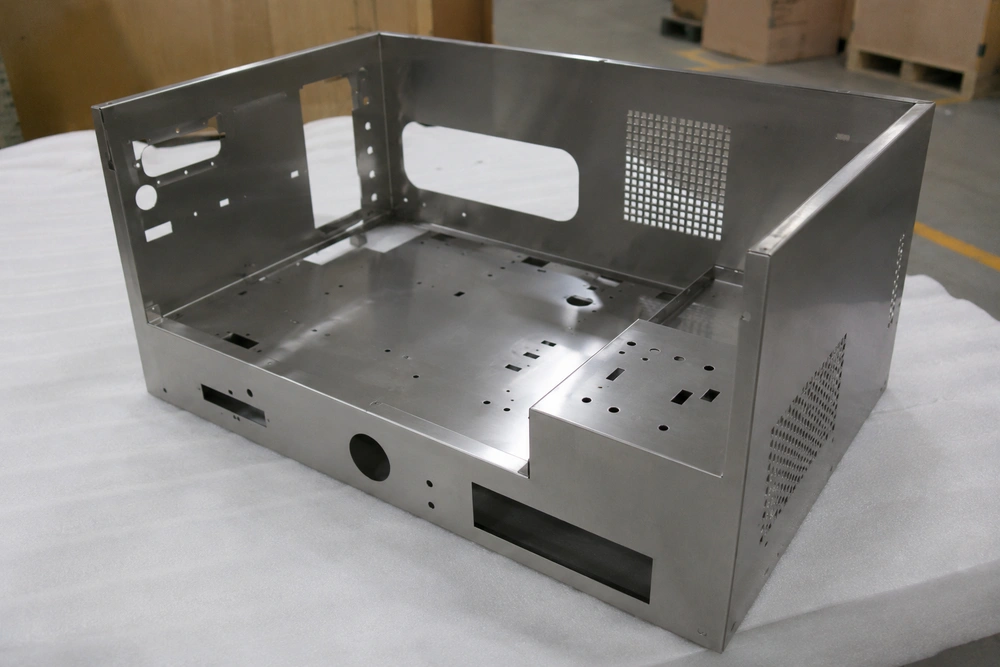

In the world of manufacturing and fabrication, cutting lasers have emerged as a revolutionary tool, offering high precision, speed, and versatility. As a cutting laser supplier, I've witnessed firsthand the transformative impact these machines have on various industries. However, like any technology, cutting lasers are not without their drawbacks. In this blog post, I'll delve into the disadvantages of using a cutting laser, providing a balanced perspective for businesses considering this technology.
High Initial Investment
One of the most significant disadvantages of using a cutting laser is the high initial investment required. Cutting lasers are complex pieces of equipment that incorporate advanced optics, lasers, and control systems. The cost of purchasing a cutting laser can range from tens of thousands to hundreds of thousands of dollars, depending on the type, power, and capabilities of the machine.
In addition to the purchase price, businesses must also consider the cost of installation, training, and maintenance. Cutting lasers require specialized installation to ensure proper alignment and safety. Training is essential for operators to learn how to use the machine safely and effectively. Maintenance costs can also be significant, as cutting lasers require regular servicing and replacement of parts.
Energy Consumption
Cutting lasers are energy-intensive machines that consume a significant amount of electricity. The power consumption of a cutting laser depends on the type, power, and operating mode of the machine. High-power lasers, such as CO2 lasers and fiber lasers, can consume several kilowatts of electricity per hour.
The high energy consumption of cutting lasers can result in increased operating costs for businesses. In addition, the environmental impact of energy consumption is a growing concern for many companies. To mitigate these issues, some businesses are investing in energy-efficient cutting lasers or implementing energy management strategies to reduce their energy consumption.
Safety Risks
Cutting lasers pose several safety risks to operators and other personnel in the workplace. The high-intensity laser beam can cause severe burns, eye damage, and skin irritation. In addition, cutting lasers generate hazardous fumes and dust during the cutting process, which can pose a health risk if inhaled.
To ensure the safety of operators and other personnel, businesses must implement strict safety protocols and provide appropriate personal protective equipment (PPE). Operators must be trained on how to use the cutting laser safely and how to respond to potential hazards. In addition, businesses must ensure that the cutting laser is installed in a well-ventilated area and that appropriate exhaust systems are in place to remove hazardous fumes and dust.
Limited Material Thickness
While cutting lasers are capable of cutting a wide range of materials, they have limitations when it comes to material thickness. The maximum thickness of material that can be cut by a cutting laser depends on the type, power, and operating mode of the machine. In general, cutting lasers are most effective for cutting thin materials, typically up to a few millimeters thick.
For thicker materials, cutting lasers may not be the most efficient or cost-effective option. In some cases, alternative cutting methods, such as plasma cutting or waterjet cutting, may be more suitable for cutting thicker materials.
Kerf Width
Another disadvantage of using a cutting laser is the kerf width, which is the width of the cut made by the laser beam. The kerf width can vary depending on the type, power, and operating mode of the cutting laser, as well as the material being cut. In general, the kerf width of a cutting laser is relatively narrow, typically ranging from a few hundredths of a millimeter to a few millimeters.

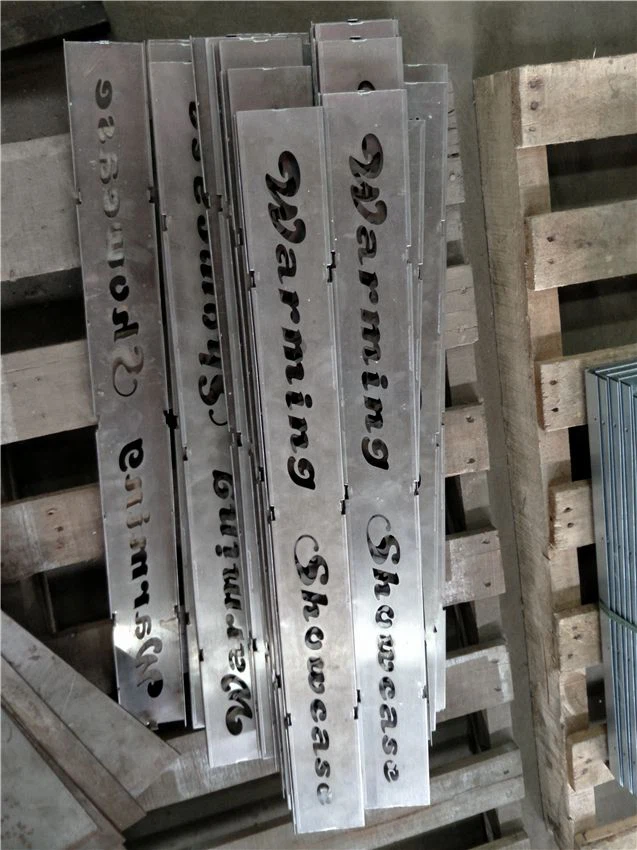
While a narrow kerf width can be beneficial in some applications, it can also be a disadvantage in others. For example, in applications where a large amount of material needs to be removed, a narrow kerf width can result in longer cutting times and increased energy consumption. In addition, the narrow kerf width can make it difficult to cut certain materials, such as thick metals or materials with a high melting point.
Maintenance and Downtime
Cutting lasers require regular maintenance to ensure optimal performance and reliability. The maintenance requirements of a cutting laser depend on the type, power, and operating mode of the machine, as well as the frequency and intensity of use. In general, cutting lasers require regular cleaning, lubrication, and alignment to ensure that the laser beam is focused and accurate.
In addition to regular maintenance, cutting lasers may also experience downtime due to equipment failures or other issues. Downtime can be costly for businesses, as it can result in lost production time and revenue. To minimize downtime, businesses must implement a preventive maintenance program and have a spare parts inventory on hand to quickly replace any faulty components.
Material Limitations
While cutting lasers are capable of cutting a wide range of materials, they have limitations when it comes to certain types of materials. For example, cutting lasers may not be suitable for cutting materials that are highly reflective, such as copper or aluminum. These materials can reflect the laser beam, causing damage to the cutting laser or reducing the cutting quality.
In addition, cutting lasers may not be suitable for cutting materials that are sensitive to heat, such as plastics or composites. The high temperatures generated by the laser beam can cause these materials to melt, warp, or burn, resulting in poor cutting quality or damage to the material.
Cost per Part
The cost per part is an important consideration for businesses when choosing a cutting method. While cutting lasers can offer high precision and speed, they can also be more expensive per part compared to other cutting methods, such as plasma cutting or waterjet cutting.
The cost per part of a cutting laser depends on several factors, including the type, power, and operating mode of the machine, as well as the material being cut, the complexity of the part, and the volume of production. In general, cutting lasers are most cost-effective for small to medium volume production runs of complex parts that require high precision.
Conclusion
In conclusion, while cutting lasers offer many advantages, such as high precision, speed, and versatility, they also have several disadvantages that businesses must consider before investing in this technology. The high initial investment, energy consumption, safety risks, limited material thickness, kerf width, maintenance and downtime, material limitations, and cost per part are all factors that can impact the suitability of cutting lasers for a particular application.
As a cutting laser supplier, I understand the importance of providing our customers with a balanced perspective on the advantages and disadvantages of using a cutting laser. We work closely with our customers to understand their specific needs and requirements and to recommend the most suitable cutting solution for their application.
If you're considering using a cutting laser for your manufacturing or fabrication needs, I encourage you to contact us to learn more about our products and services. We offer a wide range of cutting lasers, including High Precision 5mm Carbon Steel Cut Custom Laser Cut Steel, Custom High Precision Stainless Steel or Carbon Steel Cutting Laser, and Custom Logo Laser Cut Metal Good Quality, and our team of experts can help you choose the right machine for your application.
We also offer installation, training, and maintenance services to ensure that your cutting laser operates at peak performance and reliability. Contact us today to schedule a consultation and learn more about how we can help you improve your manufacturing and fabrication processes.
References
- "Laser Cutting Technology: Principles, Applications, and Advantages." Journal of Manufacturing Technology Management.
- "Safety Guidelines for Laser Cutting Machines." Occupational Safety and Health Administration.
- "Energy Efficiency in Laser Cutting." International Journal of Advanced Manufacturing Technology.