
In the realm of metal fabrication, the pursuit of precision, efficiency, and versatility has always been at the forefront. Among the various cutting techniques available, waterjet cutting has emerged as a game-changer, offering a unique set of capabilities that have revolutionized the industry. As a leading metal fabrication supplier, I have witnessed firsthand the transformative power of waterjet cutting and its impact on our operations. In this blog post, I will delve into the cutting ability of waterjet cutting in metal fabrication, exploring its advantages, limitations, and applications.
Understanding Waterjet Cutting
Waterjet cutting is a non-traditional machining process that uses a high-pressure stream of water, often mixed with an abrasive material, to cut through various materials, including metals. The process works by forcing water through a small nozzle at extremely high pressures, typically ranging from 30,000 to 90,000 pounds per square inch (psi). When the water stream hits the material, it erodes the surface, creating a narrow kerf and separating the material into the desired shape.
One of the key advantages of waterjet cutting is its ability to cut through a wide range of materials, including metals of different thicknesses and hardness levels. Whether it's stainless steel, aluminum, brass, or titanium, waterjet cutting can handle the job with precision and efficiency. This versatility makes it an ideal choice for metal fabrication projects that require cutting multiple materials or complex shapes.
Advantages of Waterjet Cutting in Metal Fabrication
Precision and Accuracy
One of the primary advantages of waterjet cutting is its ability to achieve high levels of precision and accuracy. The narrow kerf width, typically ranging from 0.004 to 0.04 inches, allows for intricate cuts and tight tolerances. This precision is especially important in industries such as aerospace, automotive, and electronics, where even the slightest deviation can have significant consequences.
No Heat Affected Zone (HAZ)
Unlike traditional cutting methods such as plasma cutting or laser cutting, waterjet cutting does not generate heat during the cutting process. This means that there is no heat affected zone (HAZ) around the cut, which can cause distortion, warping, or changes in the material's properties. As a result, waterjet cutting is ideal for materials that are sensitive to heat, such as thin metals or heat-treated alloys.
Versatility
As mentioned earlier, waterjet cutting can cut through a wide range of materials, including metals, plastics, composites, ceramics, and glass. This versatility makes it a valuable tool in metal fabrication, as it can handle a variety of projects with different requirements. Whether it's cutting simple shapes or complex geometries, waterjet cutting can adapt to the job at hand.
Environmentally Friendly
Waterjet cutting is a relatively environmentally friendly cutting method compared to other traditional methods. It does not produce any harmful fumes, gases, or dust during the cutting process, which makes it a safer and healthier option for workers. Additionally, the water used in the cutting process can be recycled and reused, reducing water consumption and waste.
Minimal Material Waste
The narrow kerf width of waterjet cutting results in minimal material waste. This is especially important in industries where material costs are high, such as aerospace or jewelry manufacturing. By minimizing material waste, waterjet cutting can help reduce costs and improve the overall efficiency of the metal fabrication process.
Limitations of Waterjet Cutting in Metal Fabrication
Cutting Speed
One of the main limitations of waterjet cutting is its relatively slow cutting speed compared to other cutting methods. The cutting speed depends on several factors, including the material thickness, type of material, and the desired cut quality. While waterjet cutting can be efficient for small-scale or precision cutting projects, it may not be the best choice for high-volume production runs.
Equipment Cost
Waterjet cutting equipment can be expensive to purchase and maintain. The high-pressure pumps, nozzles, and abrasive delivery systems require regular maintenance and replacement, which can add to the overall cost of the equipment. Additionally, the cost of abrasive materials can also be significant, especially for large-scale projects.
Edge Quality
While waterjet cutting can achieve high levels of precision and accuracy, the edge quality may not be as smooth as that of other cutting methods. The abrasive particles used in the cutting process can leave a rough or textured surface on the cut edge, which may require additional finishing operations such as sanding or polishing.
Applications of Waterjet Cutting in Metal Fabrication
Aerospace Industry
In the aerospace industry, waterjet cutting is used to manufacture a variety of components, including aircraft wings, fuselages, engine parts, and landing gear. The precision and accuracy of waterjet cutting make it an ideal choice for cutting complex shapes and tight tolerances, while the absence of a heat affected zone ensures that the material's properties are not compromised.
Automotive Industry
In the automotive industry, waterjet cutting is used to manufacture components such as engine blocks, transmission parts, brake components, and body panels. The versatility of waterjet cutting allows for the cutting of multiple materials, including steel, aluminum, and composites, while the precision and accuracy ensure that the components meet the strict quality standards of the automotive industry.
Electronics Industry
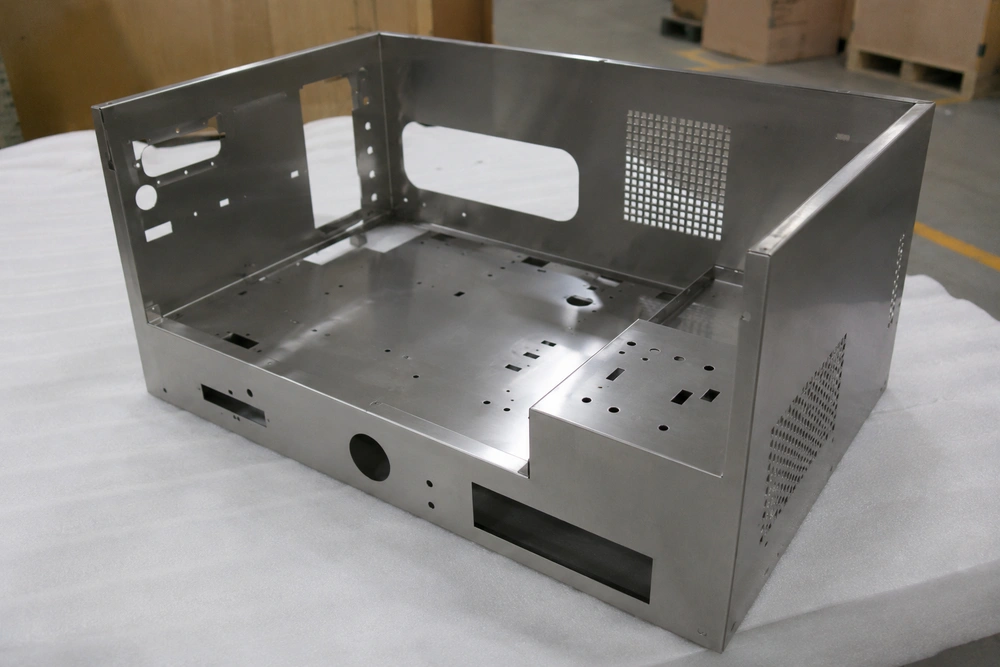
In the electronics industry, waterjet cutting is used to manufacture components such as printed circuit boards (PCBs), heat sinks, and enclosures. The precision and accuracy of waterjet cutting make it an ideal choice for cutting intricate shapes and small features, while the absence of a heat affected zone ensures that the electronic components are not damaged during the cutting process.


Architectural Industry
In the architectural industry, waterjet cutting is used to create decorative elements such as metal panels, screens, and facades. The versatility of waterjet cutting allows for the creation of complex designs and patterns, while the precision and accuracy ensure that the finished products meet the high aesthetic standards of the architectural industry.
Conclusion
Waterjet cutting is a powerful and versatile cutting method that offers a unique set of advantages in metal fabrication. Its precision, accuracy, versatility, and ability to cut through a wide range of materials make it an ideal choice for a variety of metal fabrication projects. While it does have some limitations, such as cutting speed and equipment cost, the benefits of waterjet cutting often outweigh the drawbacks.
As a metal fabrication supplier, we have invested in state-of-the-art waterjet cutting equipment to provide our customers with the highest quality products and services. Whether you need Spectacle Blind, Custom Sheet Metal Enclosure for Parking System, or Custom Metal Fabrication Service, we have the expertise and capabilities to meet your needs.
If you are interested in learning more about our waterjet cutting services or would like to discuss your metal fabrication project, please do not hesitate to contact us. We look forward to working with you and helping you bring your ideas to life.
References
- American Welding Society. (2020). Welding Handbook: Volume 1 - Fundamentals of Welding.
- Waterjet Technology Association. (2021). Waterjet Cutting Basics.
- ASM International. (2019). Metals Handbook: Volume 1 - Properties and Selection: Irons, Steels, and High-Performance Alloys.