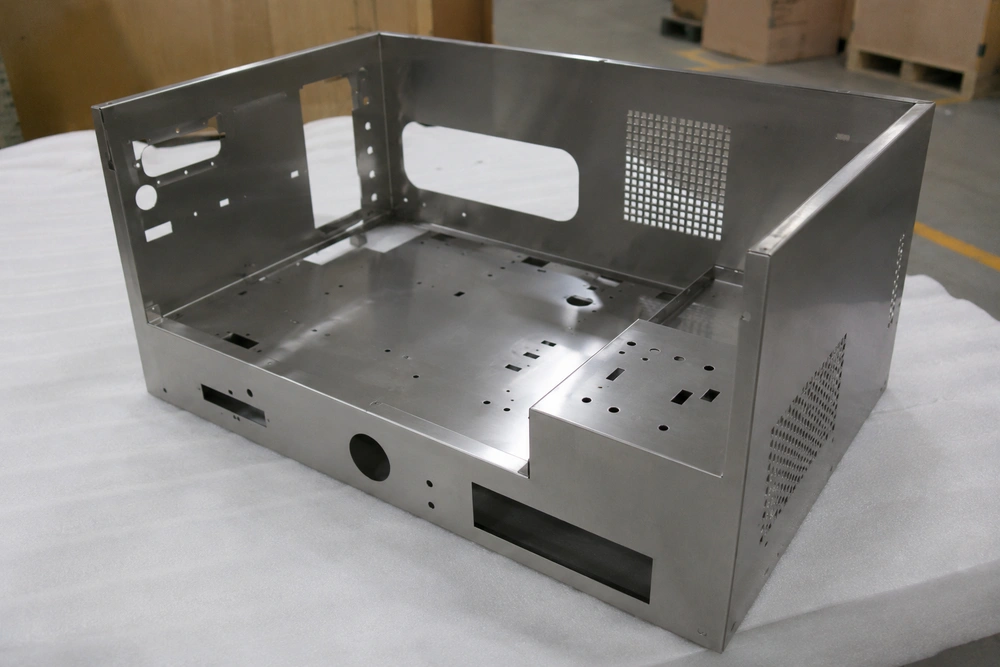

As a supplier in the aluminium fabrication industry, I've seen my fair share of common mistakes that can really mess up a project. Whether you're a newbie or a seasoned pro, it's easy to fall into these traps. In this blog, I'll share some of the most frequent blunders I've witnessed and how to avoid them.


1. Poor Material Selection
One of the biggest mistakes in aluminium fabrication is choosing the wrong type of aluminium. Aluminium comes in various alloys, each with its own set of properties like strength, corrosion resistance, and formability. For example, if you're making a Customized Training Bike Frame Fabrication Aluminium with Powder Coating, you need an alloy that's lightweight yet strong enough to withstand the stresses of riding. Using a soft alloy here could lead to a frame that bends or breaks easily.
On the other hand, if you're fabricating components for a marine environment, corrosion resistance is key. Selecting an alloy that isn't suitable for this kind of exposure can result in premature rusting and degradation. It's crucial to understand the requirements of your project and do thorough research on the available alloys before making a decision.
2. Inadequate Design Planning
Skipping the design planning phase or rushing through it is a recipe for disaster. A well-thought-out design is the foundation of a successful aluminium fabrication project. Without proper planning, you might end up with a product that doesn't fit its intended purpose or has structural weaknesses.
For instance, when designing a Customized CNC Processing Aluminum Fabrication for Truck Tool Cabinet, you need to consider factors like the size and shape of the tools it will hold, the access points for easy retrieval, and the overall durability. If the design doesn't account for these aspects, the tool cabinet may be too small, have inconvenient openings, or not be able to withstand the wear and tear of regular use.
It's also important to involve all stakeholders in the design process, including engineers, fabricators, and end-users. Their input can help identify potential issues early on and ensure that the final design meets everyone's needs.
3. Incorrect Welding Techniques
Welding is a common process in aluminium fabrication, but it's also one where mistakes are frequently made. Aluminium has unique properties that require specific welding techniques. For example, aluminium has a high thermal conductivity, which means heat dissipates quickly. This can make it challenging to maintain a consistent weld pool and can lead to issues like incomplete fusion or porosity.
Another issue is the presence of an oxide layer on the surface of aluminium. This layer needs to be removed before welding to ensure a strong bond. Failure to do so can result in weak welds that are prone to cracking. Additionally, using the wrong welding filler material can also cause problems. Different aluminium alloys require different filler materials to achieve the best results.
When it comes to Custom Welding Anodized Aluminum for Electrical Equipment, the anodized layer adds another level of complexity. Special care must be taken to ensure that the anodized finish is not damaged during the welding process while still achieving a strong and reliable weld.
4. Improper Machining Practices
Machining aluminium requires a different approach compared to other metals. Aluminium is a soft metal, which means it can easily deform or chip if the machining parameters are not set correctly. Using the wrong cutting speed, feed rate, or depth of cut can result in a poor surface finish, dimensional inaccuracies, or even tool breakage.
For example, if the cutting speed is too high, the aluminium may melt and stick to the cutting tool, causing it to dull quickly. On the other hand, if the feed rate is too low, it can lead to excessive heat generation and poor surface quality. It's important to use the right cutting tools and to optimize the machining parameters based on the specific alloy and the requirements of the project.
5. Lack of Quality Control
Quality control is essential in any manufacturing process, and aluminium fabrication is no exception. Failing to implement proper quality control measures can lead to defective products being shipped to customers, which can damage your reputation and result in costly returns.
Quality control should start from the very beginning of the project, with inspections of the incoming raw materials. This ensures that the aluminium you're using meets the required specifications. During the fabrication process, regular inspections should be carried out to check for defects such as cracks, porosity, or dimensional inaccuracies.
After the product is completed, a final inspection should be done to ensure that it meets all the design requirements and quality standards. This can involve visual inspections, measuring the dimensions, and performing testing if necessary. By having a robust quality control system in place, you can catch and correct any issues before they become major problems.
6. Ignoring Surface Finishing Requirements
Surface finishing is an important aspect of aluminium fabrication that is often overlooked. The surface finish not only affects the appearance of the product but also its durability and performance. For example, anodizing can provide a protective layer that enhances corrosion resistance, while powder coating can give the product a smooth and attractive finish.
Ignoring the surface finishing requirements can result in a product that looks unprofessional or doesn't perform as expected. For instance, if a product is intended for outdoor use but doesn't have a proper protective finish, it may be more prone to rusting and damage from the elements.
It's important to consider the surface finishing options early in the design process and choose the one that best suits the requirements of the project. This may involve consulting with a finishing expert to determine the most appropriate method and to ensure that it is applied correctly.
7. Not Considering Cost-Effectiveness
While it's important to focus on quality, it's also essential to consider the cost-effectiveness of your aluminium fabrication project. Making decisions without taking into account the cost can lead to a project that is over budget or not profitable.
For example, choosing a high-end alloy or a complex fabrication process when a more affordable option would suffice can increase the cost of the project significantly. It's important to find a balance between quality and cost by exploring different materials, processes, and design options.
This may involve working with your suppliers to negotiate better prices, optimizing the design to reduce material waste, or using more efficient fabrication techniques. By being cost-conscious, you can ensure that your project is both successful and profitable.
Conclusion
Avoiding these common mistakes in aluminium fabrication can save you time, money, and headaches. By selecting the right materials, planning your design carefully, using the correct welding and machining techniques, implementing quality control measures, considering surface finishing requirements, and being cost-effective, you can ensure that your aluminium fabrication projects are a success.
If you're in the market for high-quality aluminium fabrication services, I'd love to talk to you. Whether you need a Customized Training Bike Frame Fabrication Aluminium with Powder Coating, Custom Welding Anodized Aluminum for Electrical Equipment, or Customized CNC Processing Aluminum Fabrication for Truck Tool Cabinet, I have the expertise and experience to meet your needs. Contact me to discuss your project and let's work together to bring your ideas to life.
References
- ASM Handbook Committee. (2000). ASM Handbook Volume 6: Welding, Brazing, and Soldering. ASM International.
- Kalpakjian, S., & Schmid, S. R. (2006). Manufacturing Engineering and Technology. Pearson Prentice Hall.
- Metals Handbook Committee. (1990). Metals Handbook Desk Edition. ASM International.