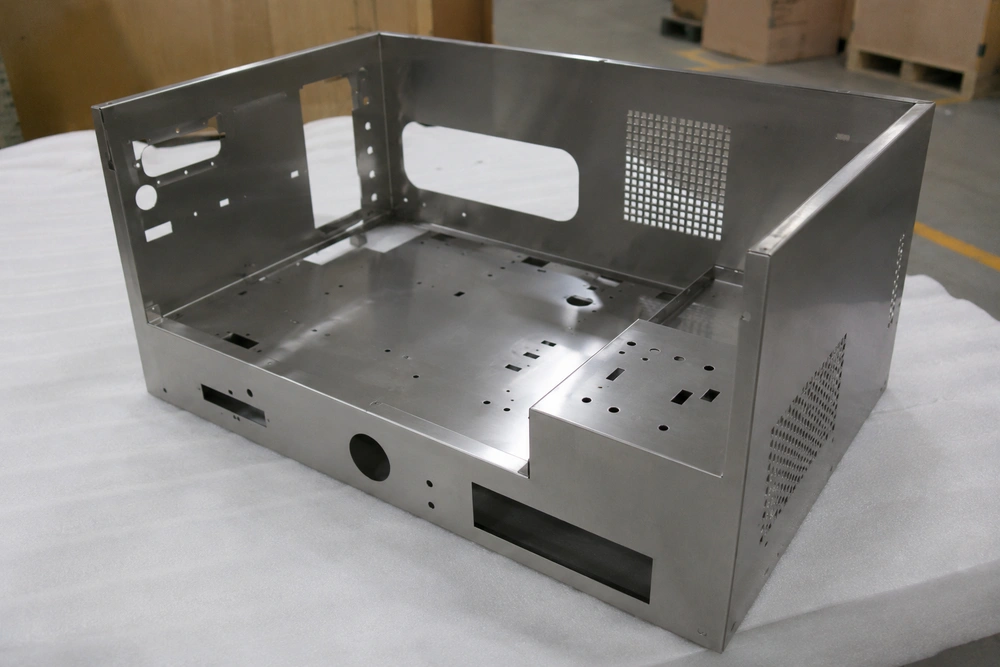

As a leading supplier in the stainless steel fabrication industry, I understand the critical role that coatings play in enhancing the performance and longevity of stainless steel products. Coatings not only protect stainless steel from corrosion, wear, and environmental damage but also provide additional functional and aesthetic benefits. In this blog post, I will explore the various coating options available for stainless steel fabrication, their advantages, and applications.
1. Epoxy Coatings
Epoxy coatings are one of the most popular choices for stainless steel fabrication due to their excellent adhesion, chemical resistance, and durability. These coatings are typically two - part systems consisting of an epoxy resin and a hardener. When mixed and applied, they form a tough, protective film on the surface of the stainless steel.
Advantages
- Corrosion Resistance: Epoxy coatings provide a high level of protection against corrosion, making them suitable for use in harsh environments such as chemical processing plants, marine applications, and wastewater treatment facilities.
- Wear Resistance: They can withstand abrasion and wear, which is important for products that are subject to mechanical stress or friction, like industrial equipment and machinery parts.
- Chemical Resistance: Epoxy coatings are resistant to a wide range of chemicals, including acids, alkalis, and solvents, ensuring the integrity of the stainless steel in chemical - rich environments.
Applications
Epoxy coatings are commonly used in the fabrication of Custom Food Machinery Parts Stainless Steel Fabricators Stainless Tank, as they can meet the strict hygiene and corrosion - resistance requirements of the food industry. They are also applied to storage tanks, pipelines, and structural components in industrial settings.
2. Polyurethane Coatings
Polyurethane coatings are known for their flexibility, high gloss finish, and excellent weather resistance. They are available in both solvent - based and water - based formulations.
Advantages
- Weather Resistance: Polyurethane coatings can withstand UV radiation, extreme temperatures, and moisture, making them ideal for outdoor applications. They prevent the stainless steel from fading, chalking, or cracking due to exposure to the elements.
- Aesthetic Appeal: These coatings offer a high - gloss or semi - gloss finish that enhances the appearance of stainless steel products, giving them a sleek and professional look.
- Flexibility: Polyurethane coatings can flex with the stainless steel substrate, which is beneficial in applications where the material may be subject to expansion and contraction.
Applications
Polyurethane coatings are often used on architectural stainless steel components, such as handrails, facades, and signage. They are also applied to automotive parts and outdoor furniture to provide both protection and an attractive finish.
3. Powder Coatings
Powder coatings are a dry finishing process in which a fine powder is electrostatically applied to the stainless steel surface and then cured under heat. This creates a hard, durable finish.
Advantages
- Environmental Friendliness: Powder coatings are solvent - free, which means they produce fewer volatile organic compounds (VOCs) compared to liquid coatings. This makes them a more environmentally friendly option.
- Uniform Coating: The electrostatic application ensures a uniform coating thickness, even on complex shapes and recessed areas. This results in a high - quality finish with no drips or runs.
- Durability: Powder coatings offer excellent resistance to chipping, scratching, and fading, providing long - lasting protection for stainless steel products.
Applications
Powder coatings are widely used in the fabrication of CNC Precision Steel Sheet Metal Fabrication parts, such as cabinets, enclosures, and brackets. They are also popular in the furniture and appliance industries.
4. Ceramic Coatings
Ceramic coatings are made from inorganic materials and offer exceptional heat resistance, hardness, and chemical resistance.


Advantages
- Heat Resistance: Ceramic coatings can withstand extremely high temperatures, making them suitable for applications where stainless steel is exposed to heat, such as exhaust systems, furnaces, and industrial ovens.
- Hardness: They have a high hardness rating, which provides excellent scratch and wear resistance. This is beneficial for products that are subject to abrasive conditions.
- Chemical Resistance: Ceramic coatings are resistant to a wide range of chemicals, including acids and alkalis, protecting the stainless steel from chemical attack.
Applications
Ceramic coatings are commonly used in the aerospace, automotive, and energy industries. They are applied to engine components, heat exchangers, and other high - temperature applications.
5. PTFE (Polytetrafluoroethylene) Coatings
PTFE coatings, also known as Teflon coatings, are well - known for their non - stick properties and low friction coefficient.
Advantages
- Non - Stick Surface: PTFE coatings prevent materials from sticking to the stainless steel surface, which is useful in applications such as cookware, food processing equipment, and conveyor belts.
- Low Friction: The low friction coefficient reduces wear and energy consumption in moving parts, improving the efficiency of machinery.
- Chemical Resistance: PTFE is resistant to a wide range of chemicals, making it suitable for use in chemical processing and laboratory equipment.
Applications
PTFE coatings are extensively used in the food and beverage industry, as well as in the production of industrial machinery and equipment where non - stick and low - friction properties are required.
Selecting the Right Coating
When choosing a coating for stainless steel fabrication, several factors need to be considered:
- Environment: The operating environment of the stainless steel product, including temperature, humidity, chemical exposure, and UV radiation, will determine the type of coating required.
- Function: The intended function of the product, such as corrosion protection, wear resistance, or non - stick properties, will influence the coating selection.
- Aesthetics: If the appearance of the product is important, a coating with the desired finish, such as high - gloss or matte, should be chosen.
- Cost: The cost of the coating, including the material, application, and curing process, should be balanced against the performance and longevity requirements.
Conclusion
In conclusion, the choice of coating for stainless steel fabrication is crucial for ensuring the performance, durability, and aesthetic appeal of the final product. Each coating option has its own unique advantages and applications, and by carefully considering the specific requirements of your project, you can select the most suitable coating.
As a trusted stainless steel fabrication supplier, we have extensive experience in applying a variety of coatings to meet our customers' needs. Whether you are looking for a corrosion - resistant coating for a Sheet Steel Enclosure Custom or a high - temperature ceramic coating for industrial equipment, we can provide you with the best solutions.
If you are interested in our stainless steel fabrication services and coating options, please feel free to contact us for a consultation. We are committed to providing high - quality products and excellent customer service. Let's work together to bring your stainless steel projects to life.
References
- Paint Coatings Association of America. (2023). Coatings for Metal Substrates.
- Society for Protective Coatings. (2023). Guide to Coating Selection for Stainless Steel.
- International Paint Manufacturers Association. (2023). Advances in Coating Technologies for Stainless Steel.