
Hey there! As a metal parts supplier, I've seen firsthand how crucial it is to accurately predict the performance of metal parts. That's where simulation comes in. In this blog post, I'm gonna share with you how we use simulation to predict metal parts performance and why it's such a game-changer.
What is Simulation?
Simulation is basically creating a virtual model of a real - world process or system. In the context of metal parts, we use computer - based simulation tools to mimic how a metal part will behave under different conditions. This could include things like stress, temperature, and pressure.
There are a bunch of different types of simulation techniques out there, but for metal parts, finite element analysis (FEA) is one of the most popular ones. FEA breaks down a complex part into smaller, more manageable elements and then analyzes how each element responds to external forces.
Why Use Simulation for Metal Parts?
First off, it saves a ton of time and money. Traditionally, predicting metal parts performance meant building physical prototypes and testing them. This process was not only expensive but also time - consuming. With simulation, we can quickly test different design variations and material choices in a virtual environment.
Let's say we're designing a new metal bracket. Instead of making multiple physical prototypes, we can use simulation to see how different thicknesses and shapes of the bracket will perform under load. This way, we can zero in on the best design right from the start, reducing the number of prototypes we need to make.
Another big advantage is that simulation allows us to understand the behavior of metal parts in extreme conditions that might be difficult or dangerous to test in real life. For example, we can simulate how a metal part will perform in a high - temperature environment or under high - impact forces.
How We Use Simulation at Our Company
As a metal parts supplier, we integrate simulation into every step of the product development process.
Design Phase
When we first get a design concept from a customer, we start by creating a 3D model of the metal part. Then, we use simulation software to analyze the initial design. We look at factors like stress distribution, deformation, and fatigue life.
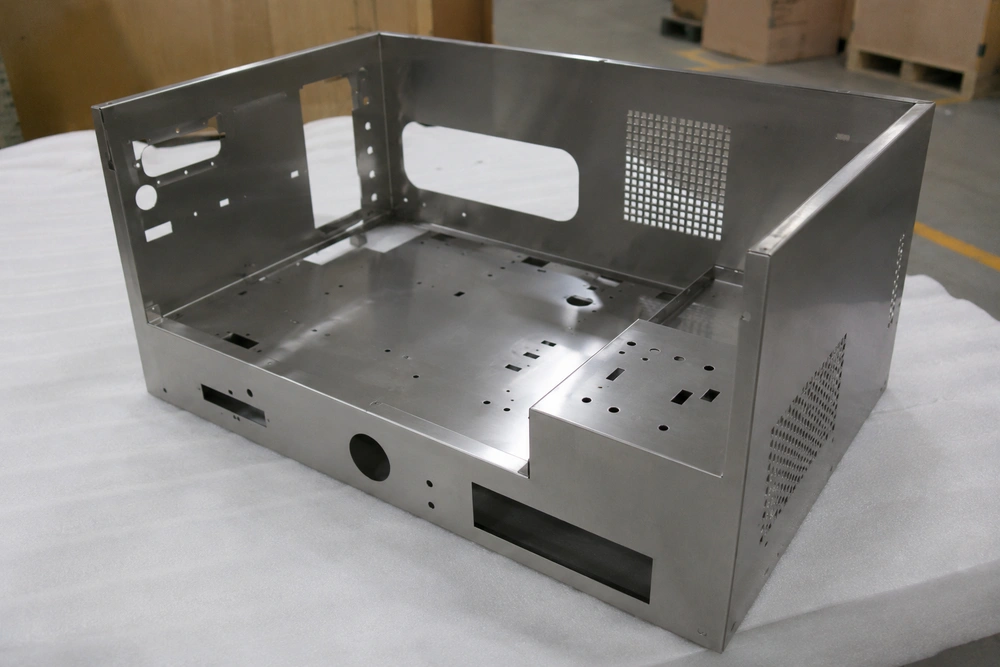
For instance, if a customer wants a custom - made metal housing for an electronic device, we'll simulate how the housing will hold up against the internal heat generated by the electronics and any external impacts it might face. Based on the simulation results, we can suggest design improvements to the customer.
Material Selection
Simulation also helps us choose the right materials for the metal parts. Different metals have different properties, such as strength, ductility, and corrosion resistance. By simulating how different materials will perform under the expected conditions, we can select the most suitable one.
Let's take the example of a metal part that will be used in a marine environment. We can simulate how different stainless steel alloys will resist corrosion over time. This helps us recommend the best material to the customer, ensuring the long - term performance of the part.
Manufacturing Process Optimization
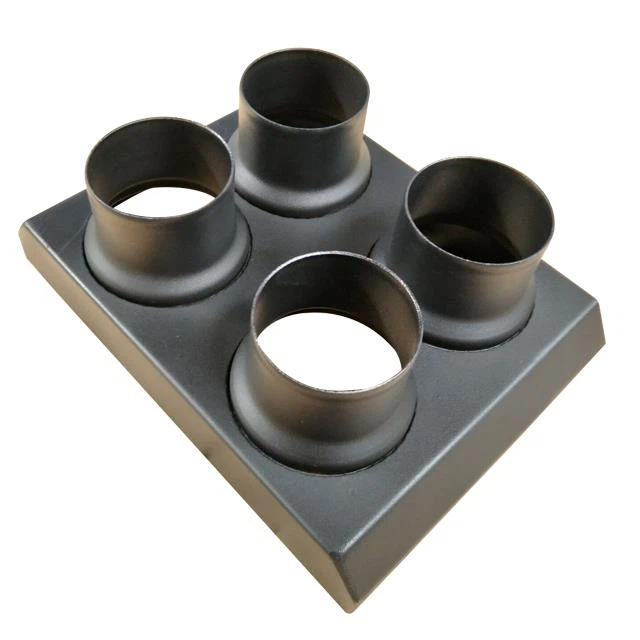
We also use simulation to optimize the manufacturing process. For example, in Die Deep Drawing Sheet Metal Forming Powder Coating, simulation can help us predict how the metal sheet will deform during the deep - drawing process. This allows us to adjust the process parameters, such as the punch speed and the die shape, to ensure a high - quality finished part.
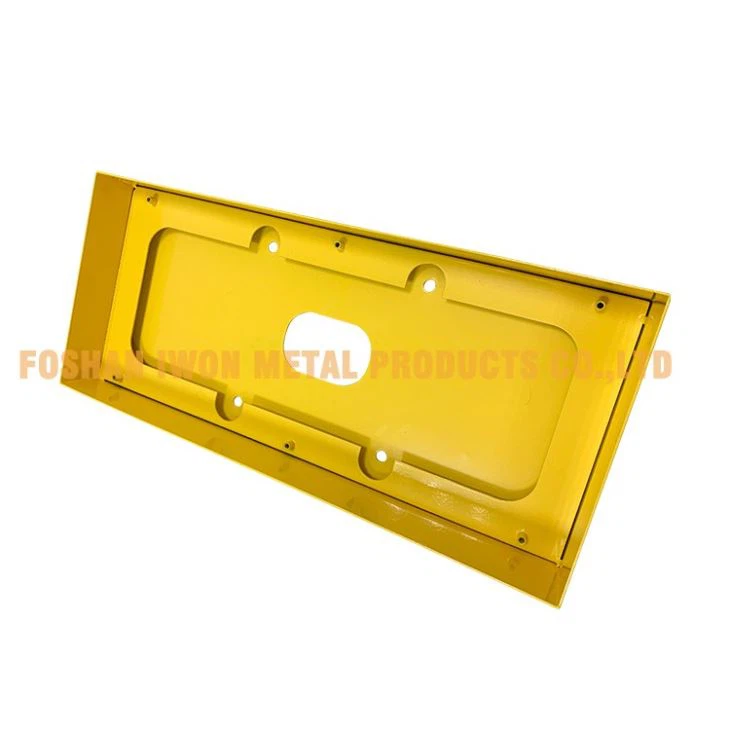
Similarly, in Precision Sheet Metal Parts Fast Manufacturing, simulation can help us understand how the cutting and bending processes will affect the final dimensions and quality of the parts. We can then make adjustments to the manufacturing process to reduce errors and improve efficiency.
Case Study: Simulating a Metal Gear
Let's look at a real - world example of how simulation has helped us predict the performance of a metal gear.
A customer came to us with a design for a metal gear that would be used in a high - speed transmission system. The gear needed to be able to withstand high torque and wear over a long period of time.
We started by creating a detailed 3D model of the gear and imported it into our simulation software. We then defined the operating conditions, such as the rotational speed, the torque load, and the lubrication conditions.
Using FEA simulation, we analyzed the stress distribution on the gear teeth. The simulation showed that there were some areas of high stress that could potentially lead to premature failure. Based on these results, we modified the gear design by changing the tooth profile and adding some fillets to reduce stress concentrations.
We also simulated the wear of the gear teeth over time. By adjusting the material properties and the lubrication parameters in the simulation, we were able to predict how the gear would wear under different operating conditions. This allowed us to recommend a maintenance schedule to the customer.
After the design modifications, we ran another simulation, and the results showed significant improvement in the gear's performance. We were then able to manufacture the gear with confidence, knowing that it would meet the customer's requirements.
The Future of Simulation in Metal Parts Supply
The field of simulation is constantly evolving, and we're excited to see how it will continue to impact the metal parts supply industry.
One area of development is the integration of artificial intelligence (AI) and machine learning (ML) into simulation software. AI and ML can help us analyze large amounts of simulation data more quickly and accurately. They can also help us identify patterns and trends that might not be obvious to human analysts.
Another trend is the use of real - time simulation. In the future, we might be able to simulate the performance of metal parts in real - time as they are being used in a system. This would allow for immediate feedback and adjustments, improving the overall performance and reliability of the system.
Conclusion
Simulation is an incredibly powerful tool for predicting the performance of metal parts. As a metal parts supplier, it has allowed us to offer better - designed products, optimize the manufacturing process, and save our customers time and money.
If you're in the market for high - quality metal parts and want to take advantage of the benefits of simulation - based design and manufacturing, we'd love to hear from you. Whether you need Professional OEM Top Quality Sheet Metal Weldment or any other custom - made metal parts, we're here to help. Reach out to us to start a procurement discussion and let's work together to bring your metal part designs to life.
References
- "Finite Element Analysis: Theory and Application with ANSYS" by J.N. Reddy
- "Materials Science and Engineering: An Introduction" by William D. Callister Jr. and David G. Rethwisch
- "Metal Forming: Mechanics and Metallurgy" by Dieter K. Hosford and Robert M. Caddell