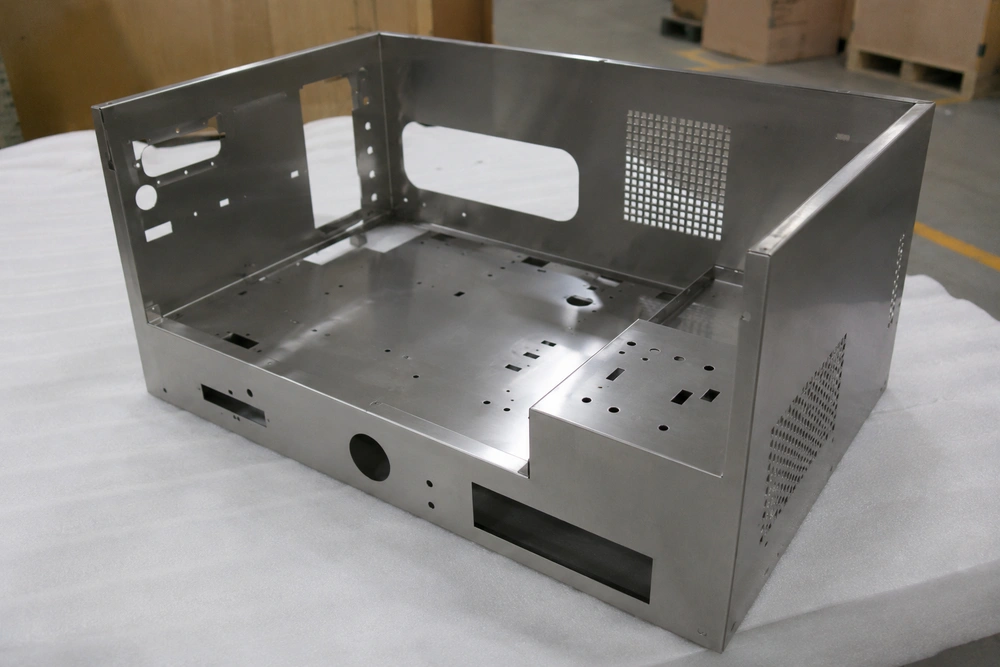

Hey there! As a supplier in the steel fabrication industry, I know how crucial it is to pick the right steel for your projects. There's a ton of options out there, and making the wrong choice can lead to all sorts of headaches down the road. So, let's dive into how you can choose the perfect steel for your fabrication needs.
Understanding Your Project Requirements
First things first, you gotta understand what your project demands. Is it a small custom piece or a large - scale construction? The application of the fabricated steel plays a huge role in the selection process.
If you're looking for Metal Housing Fabrication Service, you'll need steel that can withstand environmental factors like moisture and corrosion. Stainless steel is often a great choice here. It's resistant to rust and can keep your metal housing looking good and functioning well for years.
On the other hand, if you're into Custom Stainless Steel Products and Steel Fabrication Work, the aesthetic aspect might be as important as the structural integrity. You'll want a steel that can be finished to a high - quality surface appearance, and stainless steel again comes into play due to its ability to be polished and buffed to a shiny finish.
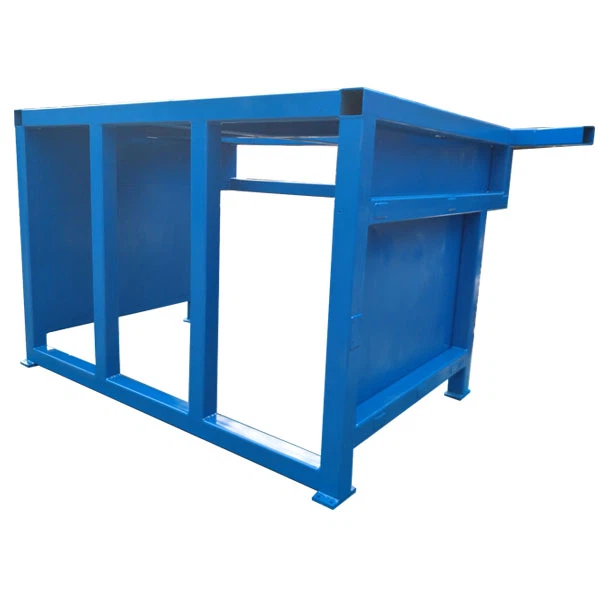
For Strong MIG TIG Welding Structural Steel Fabricators Customized, the strength and weldability of the steel are key. Structural projects need steel that can handle heavy loads and be easily welded together. Carbon steel is a common choice for these types of applications because it's strong and relatively easy to work with in terms of welding.
Types of Steel and Their Properties
Let's take a closer look at some of the common types of steel used in fabrication.
Carbon Steel
Carbon steel is one of the most widely used steels in the industry. It's made up of iron and carbon, with the carbon content usually ranging from 0.05% to 2%. The more carbon it has, the stronger and harder it gets, but also the less ductile.
Low - carbon steel, also known as mild steel, is easy to form and weld. It's often used in general fabrication work, like making frames, brackets, and simple structures. Medium - carbon steel has a bit more strength and is used for parts that need to withstand more stress, such as gears and axles. High - carbon steel is extremely hard and strong, but it's also brittle. It's used in applications like cutting tools and springs.
Stainless Steel
Stainless steel is famous for its corrosion resistance. It contains at least 10.5% chromium, which forms a thin, invisible layer on the surface of the steel called a passive film. This film protects the steel from rusting and staining.
There are different grades of stainless steel, such as 304 and 316. Grade 304 is the most common and is used in a wide range of applications, from kitchenware to architectural structures. Grade 316 has added molybdenum, which gives it even better corrosion resistance, especially in marine environments.
Alloy Steel
Alloy steel is made by adding other elements like nickel, chromium, and molybdenum to carbon steel. These additional elements enhance the properties of the steel, such as strength, hardness, and heat resistance. Alloy steel is often used in high - performance applications, like aerospace components and automotive parts.
Considering Fabrication Processes
The fabrication processes you'll be using also influence your steel choice.
If you're going to be bending the steel, you'll need a steel that's ductile. Low - carbon steel is a great option for bending operations because it can be easily shaped without cracking.
Welding is another important process. Some steels are more weldable than others. For example, stainless steel can be welded, but it requires special techniques and filler materials to prevent corrosion at the weld joints. Carbon steel, on the other hand, is relatively straightforward to weld using common welding methods like MIG and TIG.

Cutting is also a factor. Steel that's too hard can be difficult to cut, especially with traditional cutting methods. You might need to use more advanced cutting techniques, like laser cutting or plasma cutting, for harder steels.
Cost and Availability
Cost is always a consideration in any project. Carbon steel is generally the most affordable option, especially mild steel. Stainless steel and alloy steel are more expensive, but they offer better properties for specific applications. You need to balance the cost with the performance requirements of your project.
Availability is also important. Some specialty steels might take longer to source, which can delay your project. It's a good idea to work with a steel fabrication supplier who has a wide range of steels in stock or can quickly source the steel you need.
Quality and Testing
When choosing steel, you want to make sure you're getting a high - quality product. Reputable steel suppliers will provide quality certificates for their steels, which show that the steel meets certain standards.
Testing is also crucial. You can perform tests like hardness testing, tensile testing, and corrosion testing to ensure the steel has the properties you need. For example, if you're using the steel in a corrosive environment, a corrosion test can tell you how well the steel will hold up over time.
Conclusion
Choosing the right steel for fabrication is a multi - faceted decision. You need to consider your project requirements, the properties of different types of steel, the fabrication processes, cost, availability, and quality. By taking all these factors into account, you can make an informed choice that will result in a successful fabrication project.
If you're in the market for steel fabrication and need help choosing the right steel, don't hesitate to reach out. We're here to assist you every step of the way, from selecting the perfect steel to delivering a high - quality fabricated product. Let's start a conversation about your project and find the best steel solution for you.
References
- ASM Handbook Committee. (2004). ASM Handbook Volume 1: Properties and Selection: Irons, Steels, and High - Performance Alloys. ASM International.
- Davis, J.R. (Ed.). (1994). Stainless Steels. ASM International.