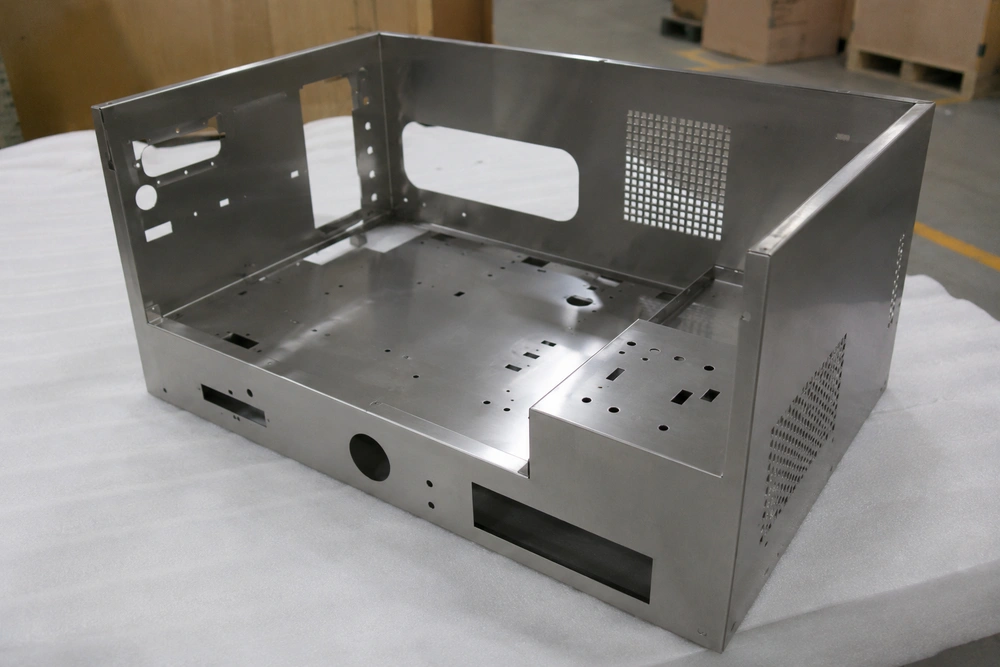

Hey there! As a supplier in the steel fabrication industry, I often get asked about how to calculate the load-bearing capacity of fabricated steel structures. It's a crucial aspect, especially when you're dealing with projects that require sturdy and reliable steel components. So, let's dive right into it and break down the process step by step.
First off, understanding the basics is key. The load-bearing capacity of a steel structure refers to the maximum amount of weight or force that the structure can safely support without failing. This includes both the dead load (the weight of the structure itself) and the live load (any additional weight from things like people, equipment, or environmental factors).
One of the first things you need to do is determine the type of steel you're using. Different types of steel have different properties, such as yield strength and ultimate strength. Yield strength is the point at which the steel starts to deform permanently, while ultimate strength is the maximum stress the steel can withstand before breaking. For example, mild steel is commonly used in many fabrication projects due to its relatively low cost and good weldability. You can check out OEM Fabrication Custom Metal Mild Steel Fabrication Design for more details on mild steel fabrication.
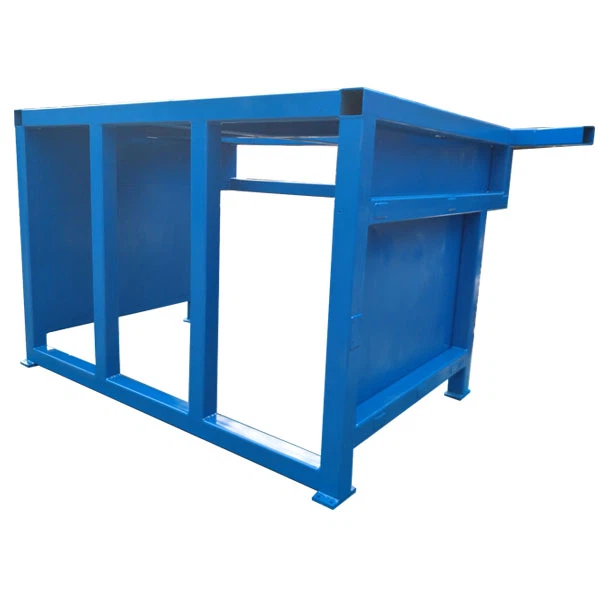

Once you know the type of steel, you need to calculate the cross-sectional area of the structural members. This is important because the load-bearing capacity is directly related to the area of the steel that's available to resist the forces. For simple shapes like beams and columns, you can use basic geometric formulas. For example, the cross-sectional area of a rectangular beam is calculated by multiplying its width by its height.
Next, you have to consider the length of the structural members. Longer members are more likely to buckle under load, so you need to account for this in your calculations. There are various methods to determine the buckling strength of a steel member, such as the Euler's formula for long columns. However, in real-world applications, you'll often use more advanced design codes and standards that take into account factors like the end conditions of the member (whether it's fixed, pinned, or free).
Another crucial factor is the connection between the steel members. The strength of the connections can significantly affect the overall load-bearing capacity of the structure. For instance, welded connections are commonly used in steel fabrication because they can provide a strong and rigid joint. You can find some great options for high-quality welding in Strong MIG TIG Welding Structural Steel Fabricators Customized. When calculating the load transfer at the connections, you need to consider factors like the type of weld, the size of the weld, and the material properties of the steel being joined.
Now, let's talk about the load itself. You need to accurately determine the magnitude, direction, and distribution of the loads acting on the structure. Dead loads are relatively easy to calculate since they're just the weight of the materials used in the construction. Live loads, on the other hand, can be more variable. For example, in a building, the live load from people and furniture can vary depending on the occupancy and use of the space. You may need to refer to local building codes or industry standards to determine the appropriate live load values for your project.
In addition to the vertical loads, you also need to consider horizontal loads such as wind and seismic forces. These loads can have a significant impact on the stability of the steel structure, especially in tall buildings or structures located in areas prone to high winds or earthquakes. Special design considerations and calculations are required to ensure that the structure can withstand these horizontal forces.
Once you've gathered all the necessary information and made the calculations, it's important to add a safety factor. This is a multiplier applied to the calculated load-bearing capacity to account for uncertainties in the material properties, loading conditions, and construction quality. A typical safety factor for steel structures ranges from 1.5 to 2.0, depending on the type of structure and the level of risk involved.
To make the calculation process easier, there are many software tools available that can perform complex structural analysis. These tools use advanced algorithms and finite element methods to simulate the behavior of the steel structure under different loading conditions. However, it's still important to have a basic understanding of the underlying principles to interpret the results correctly.
In some cases, you may also need to conduct physical tests on the fabricated steel components to verify their load-bearing capacity. This can involve testing small-scale specimens in a laboratory or performing full-scale load tests on the actual structure. These tests can provide valuable data and help ensure the safety and reliability of the final product.
If you're in the market for custom steel fabrication products, we offer a wide range of options, including Metal Furniture Parts Furniture Hardwares. Whether you need a simple bracket or a complex structural frame, we have the expertise and resources to meet your needs.
If you're interested in our steel fabrication services or have any questions about load-bearing capacity calculations, don't hesitate to reach out. We're here to help you with all your steel fabrication needs and ensure that your projects are a success. Contact us today to start the conversation and discuss your specific requirements.
References
- "Structural Steel Design" by Jack C. McCormac
- "Steel Construction Manual" by the American Institute of Steel Construction